
In the heart of agrarian landscapes, where golden fields sway gently in the breeze, lies a crucial journey from grain to plate—the transformation of rice. This simple yet essential staple sustains billions across the globe, but behind its humble exterior lies a complex process that begins in the paddy fields. Enter the paddy processing unit, a cornerstone of rice production that bridges the gap between harvest and consumption. In this article, we embark on an insightful exploration of these units, unraveling the intricate mechanics of rice processing. From cleaning and husking to milling and packaging, we will examine the technology, labor, and innovation that shape this vital industry. Join us as we delve into the world of paddy processing, discovering not only how rice is transformed but also the roles these units play in enhancing food security and supporting local economies.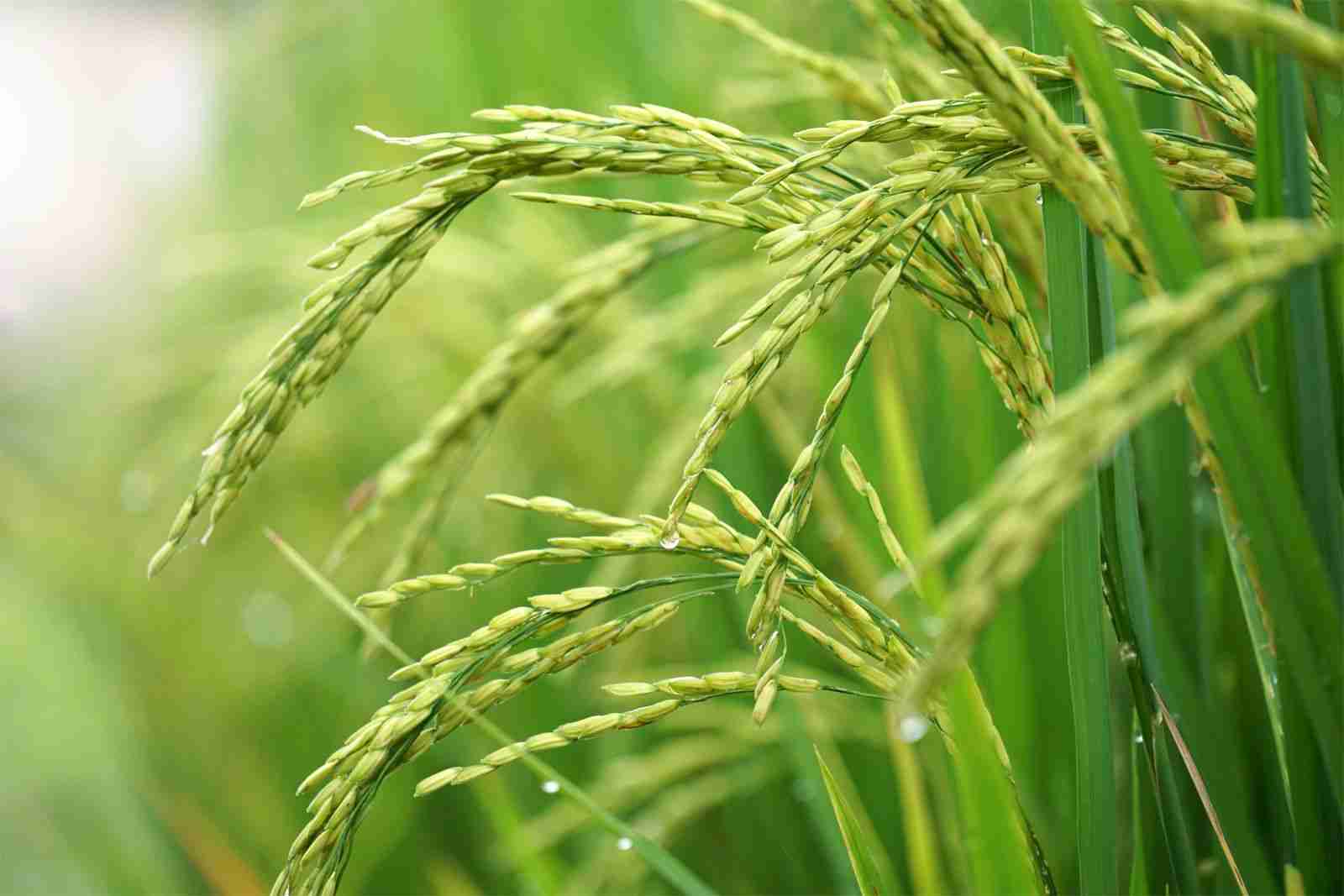
Understanding the Paddy Journey from Field to Table
This journey begins in verdant fields where rice paddy thrives, nurtured by water and sun. Once harvested, the paddy undergoes a transformative processing journey that ensures it reaches our plates in its most edible form. The initial step is threshing, where the rice grains are separated from their husks. Following that, the grains typically undergo the winnowing process, which removes any remaining chaff. Once cleaned, they move to the drying phase to reduce moisture content, ensuring that the rice can be stored without spoiling. This stage is crucial as it allows for longer shelf life and better quality.
Next, the dried grains head to the milling facility, where they are husked and polished. This mechanical process involves several stages, which can vary depending on desired rice quality. It generally includes dehusking, polishing, and sieving to sort out broken grains. Here’s a brief illustration of the milling process:
| Stage | Description |
|---|---|
| Dehusking | Removing the outer husk from the grain. |
| Polishing | Improving grain appearance and reducing bran residue. |
| Sieving | Sorting grains into different sizes and removing broken pieces. |
Once the milling is complete, the rice is packaged and prepared for distribution, marking the final step before it arrives on our kitchen tables. Each phase highlights the intricate interplay between nature and technology, showcasing the meticulous care taken to bring this staple food to households worldwide.
Innovative Technologies Reshaping Rice Processing Efficiency
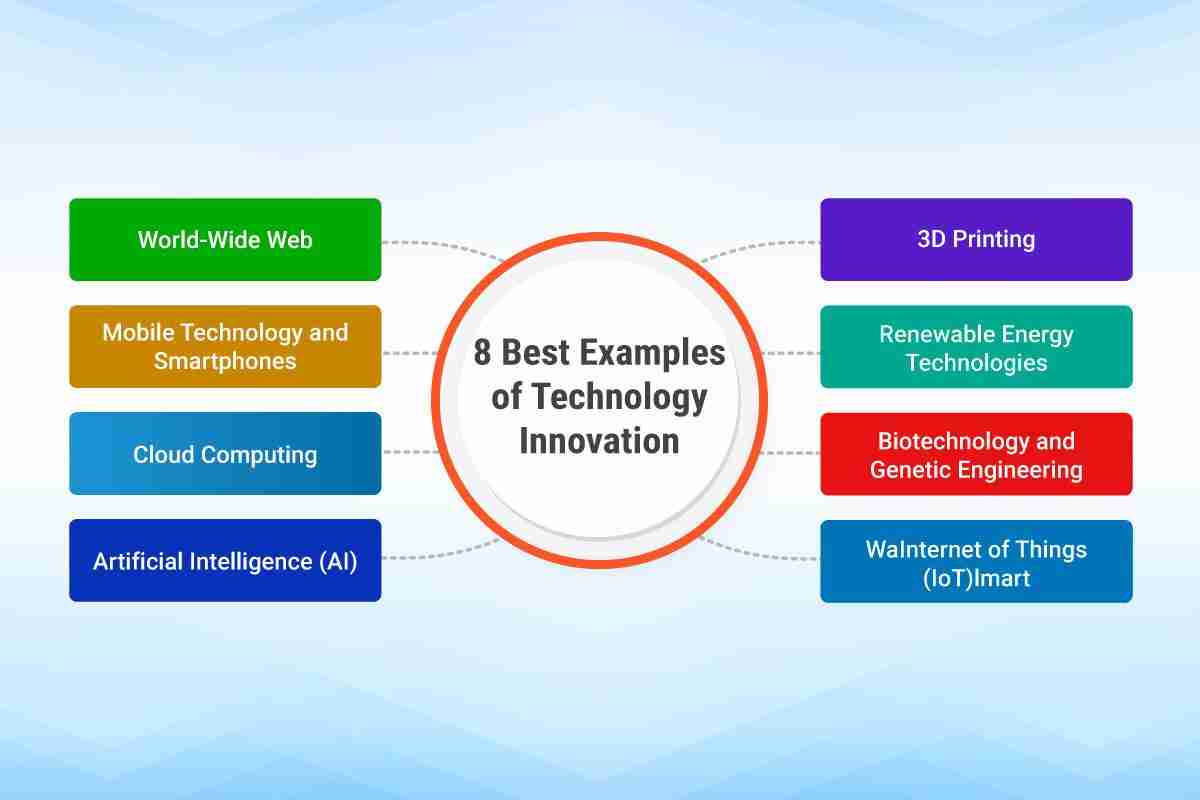
The landscape of rice processing is undergoing a significant transformation, propelled by groundbreaking technologies aimed at enhancing operational efficiency. New advancements in automation and data analytics are streamlining processes that were traditionally labor-intensive. For instance, the introduction of smart paddy sorters equipped with AI-driven algorithms allows for accurate and swift segregation of quality grains, minimizing waste and optimizing yield. These innovations not only improve throughput but also uphold quality standards that consumers demand.
Moreover, the integration of Internet of Things (IoT) devices in processing units fosters real-time monitoring and predictive maintenance. This proactive approach helps operators identify potential bottlenecks and avert machine downtime, ensuring that processing lines run smoothly. Key benefits of these smart technologies include:
- Enhanced Precision: Automated systems reduce human error and improve grading accuracy.
- Resource Optimization: Reduced water and energy consumption through smart resource management.
- Data-Driven Insights: Analytics enable informed decision-making and long-term strategy planning.
| Technology | Benefit | Impact on Efficiency |
|---|---|---|
| AI Sorters | Accurate grading | Increased yield by 20% |
| IoT Sensors | Real-time monitoring | Reduced downtime by 30% |
| Data Analytics | Predictive maintenance | Boosted operational effectiveness by 25% |
Sustainable Practices in Paddy Processing for Future Generations
As the world continues to grapple with environmental challenges, paddy processing units are increasingly adopting sustainable practices. These facilities are not only vital for transforming raw paddy into consumable rice but also play a significant role in ensuring a balanced ecosystem. By implementing water-saving technologies, such as closed circuit systems, processors can significantly reduce water waste during the milling process. Additionally, the use of renewable energy sources like solar panels and biogas can mitigate the carbon footprint of operations. Such measures underscore a commitment to creating a circular economy within the agricultural sector.
Moreover, sustainable paddy processing extends to waste management and resource utilization. Innovative units are leveraging agricultural by-products to create value-added products, thereby reducing waste. Some of these practices include:
- Rice husk recycling: Transforming husks into biochar or fuels
- Organic fertilizers: Utilizing bran and milling by-products
- Efficient milling techniques: Minimizing broken rice and maximizing output
Such practices not only improve profitability but also enhance the resilience of local communities by promoting sustainable livelihoods. A commitment to these environmentally friendly methods ensures that paddy processing remains viable for future generations, ultimately leading to a robust agricultural framework.
Economic Impacts of Localized Processing Units on Rural Communities
The introduction of localized processing units represents a seismic shift for rural communities, particularly in regions where agriculture forms the backbone of the economy. By establishing facilities that process paddy into rice, these units stimulate local economies in several impactful ways. Not only do they provide employment opportunities—recruiting local laborers for various roles ranging from production to quality control—but they also reduce dependency on external processing hubs. This self-sufficiency fosters a sense of community pride and resilience. As the economic ripple effect unfolds, local farmers benefit from improved access to markets, allowing them to receive better prices for their produce and ensuring more revenue circulates within the community.
Additionally, these processing units can act as catalysts for further development. Communities often witness the emergence of ancillary businesses that thrive alongside the processing units, including packaging companies, transportation services, and local markets selling value-added products. Moreover, by investing in sustainable technologies and eco-friendly practices, these units can help mitigate environmental impacts while promoting greater food security. Below is a brief overview of the potential benefits of localized processing units:
| Benefit | Description |
|---|---|
| Job Creation | Direct employment for local residents in processing and ancillary services. |
| Increased Income | Farmers receive better prices, enhancing local economies. |
| Community Resilience | Reduced reliance on external processing encourages self-sufficiency. |
| Sustainable Practices | Investment in eco-friendly technologies improves environmental sustainability. |
In Retrospect
As we conclude our exploration of paddy processing units and their transformative impact on the rice industry, it becomes clear that these unsung heroes play a pivotal role in bridging the gap between the fields of golden grain and our kitchen tables. The intricate dance of technology, tradition, and ingenuity not only enhances the quality of rice but also ensures that this staple food continues to nourish billions around the globe.
The journey from paddy to polished grain is a testament to human innovation, addressing challenges of efficiency, sustainability, and food security. As we envision the future, it is essential to recognize the importance of continuous improvement and investment in these processing units. By doing so, we can support farmers, empower local economies, and sustain the very foundations of our agricultural systems.
In a world where the demand for quality rice only grows, the role of paddy processing units becomes increasingly vital. They are not just facilities; they are hubs of transformation, where raw potential is converted into a staple that endures through cultures and generations. As we look forward, let us celebrate these processes, honor their contributions, and advocate for practices that allow our food systems to thrive. With every grain of rice, we are part of an intricate tapestry woven by many hands, each thread representing the hard work and dedication of those who bring food from farm to fork.



