
Title: The Journey of Corn: From Field to Processed Product
Introduction:
Corn, often dubbed “maize,” is more than just a staple food; it is a vibrant thread woven into the fabric of agricultural life and industry across the globe. From the sun-drenched fields where it first sprouts, to the bustling processing plants that transform it into a myriad of products, the journey of corn is a fascinating tale of cultivation, innovation, and adaptation. This ancient grain, revered by Indigenous cultures and embraced by modern economies, serves as a base for everything from breakfast cereals to biofuels. In exploring this journey, we uncover not only the agricultural techniques that bring corn to life but also the complex pathways that lead it to supermarket shelves and kitchens around the world. Join us as we delve into the multifaceted voyage of corn, tracing its evolution from a simple seed to a vital ingredient that nourishes, sustains, and elevates countless culinary experiences.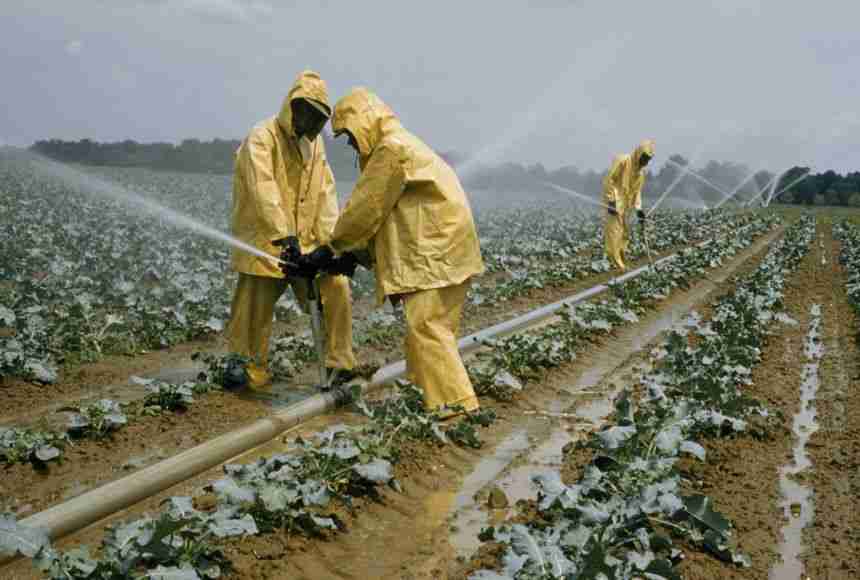
The Agricultural Lifecycle: Cultivating Quality Corn Fields
Every grain of corn starts its journey in the soil, where the richness of the earth nourishes the seeds that will soon sprout into vibrant plants. The agricultural lifecycle is a meticulous dance between farmers and nature, requiring diligence and a deep understanding of environmental conditions. Key to cultivating quality corn fields are the steps taken from soil preparation to sowing, which include:
- Soil Testing: Assessing pH and nutrient levels to determine soil health.
- Seed Selection: Choosing hybrid varieties suited to local climates and market demands.
- Planting Techniques: Employing methods like precision planting for optimal seed placement.
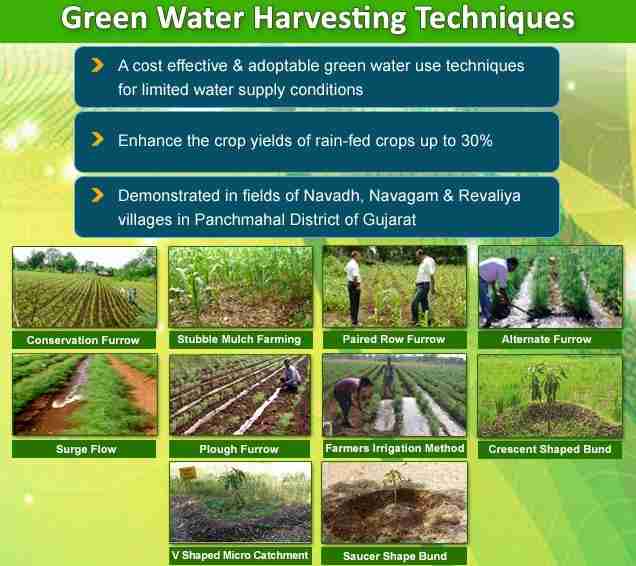
- Irrigation Management: Ensuring consistent moisture levels for healthy growth.
As the corn matures, farmers closely monitor the fields, managing pests and diseases while ensuring an adequate supply of nutrients. Harvesting is a critical phase where timing can dictate quality; crops should be collected at peak ripeness to maximize yield and taste. Following harvest, the journey continues to processing facilities where quality checks lead to the transformation of raw produce into consumer-ready products. Here’s a brief look at the processing stages:
| Processing Stage | Description |
|---|---|
| Drying | Reducing moisture content to prevent spoilage. |
| Milling | Grinding corn into flour or meal for various uses. |
| Packaging | Preparing products for distribution to retailers. |
Harvesting Techniques: Optimizing Corn Yield and Productivity
As corn reaches maturity, the focus shifts to effective harvesting techniques that can significantly enhance yield and ensure quality. Utilizing precision agriculture tools, farmers can analyze moisture levels and plant health, determining the optimal time for harvest. Key methods include:
- Selector Harvesting: Using specialized machinery to differentiate between ripe and unripe corn, ensuring maximum harvest efficiency.
- Modified Header Designs: Employing corn headers that reduce plant damage and increase grain collection, leading to less wastage.
- Optimized Row Spacing: Adjusting planting and harvesting patterns based on the specific geography and climate can yield better results.
After the corn is harvested, proper handling and post-harvest techniques play a crucial role in maintaining quality and preparing for processing. Implementing systems to quickly dry and cool the corn creates an environment less prone to spoilage. Farmers may consider:
- Continuous Flow Dryers: Maximizing efficiency in moisture removal while minimizing energy use to preserve corn integrity.
- Proper Storage Facilities: Utilizing aerated bins to control temperature and humidity, prolonging shelf life.
- Regular Quality Monitoring: Conducting periodic checks during storage to detect and manage any potential issues like pests or spoilage.
Processing Innovations: Transforming Corn into Versatile Products
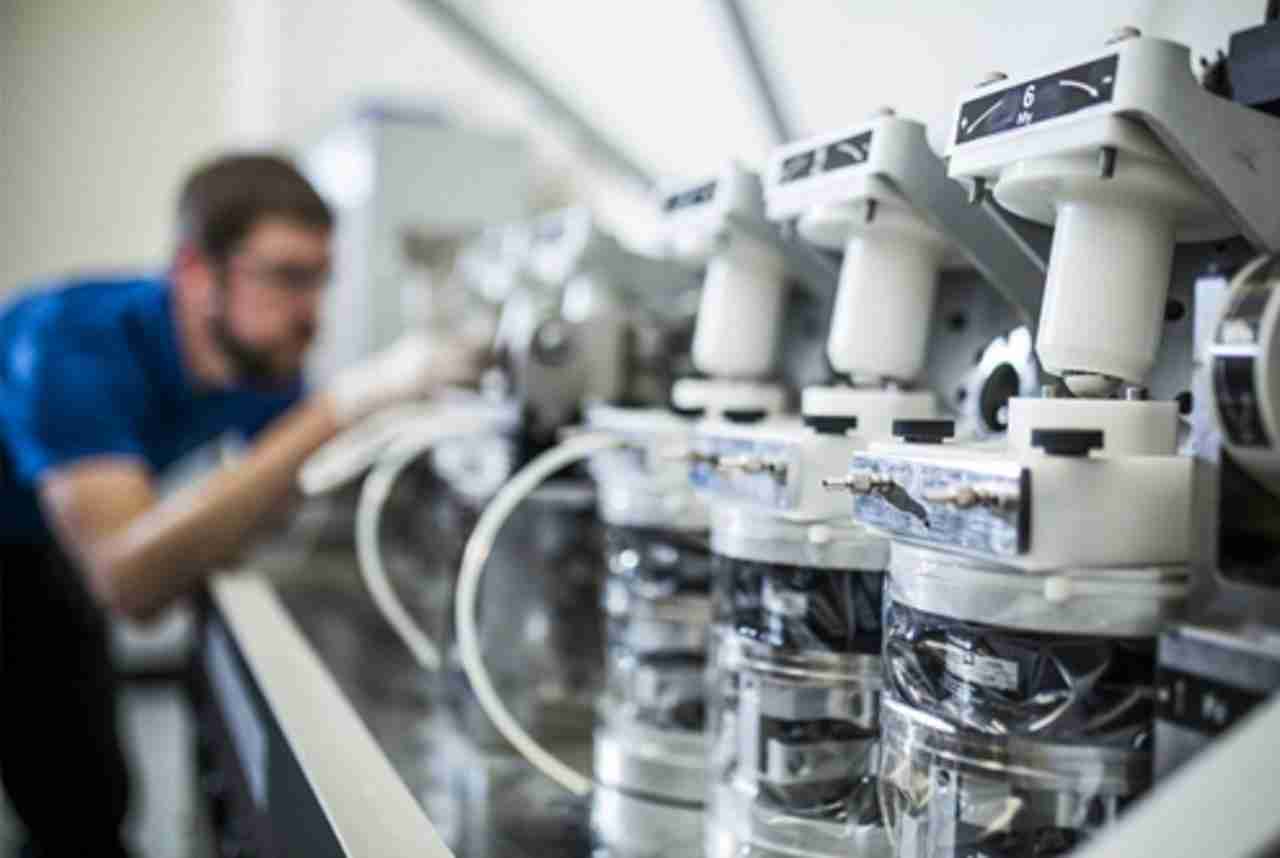
The transformation of corn into a myriad of products showcases the remarkable innovations in processing technology. Gone are the days when corn was merely a staple food source; today, it serves as a foundational ingredient for numerous applications. Through advanced techniques such as wet milling and dry milling, corn can be processed into valuable components, including:
- Sweeteners: High-fructose corn syrup and glucose
- Starches: Modified corn starch for food and industrial use
- Oils: Corn oil for cooking and biodiesel
Furthermore, innovations in fermentation have opened new avenues, turning corn into bio-based products that promote sustainability. Facilities harnessing these methods extract starches and convert them into bioethanol, providing a renewable energy source. The table below highlights some of the key products derived from corn, yielding an impressive array of uses:
| Product Type | Uses | Environmental Impact |
|---|---|---|
| Bioethanol | Fuel for vehicles | Reduces greenhouse gas emissions |
| Bioplastics | Packaging and consumer goods | Decreases reliance on fossil fuels |
| Animal Feed | Nourishment for livestock | Promotes sustainable farming practices |

Sustainable Practices: Ensuring a Green Future for Corn Production
The journey toward a greener future for corn production demands a multifaceted approach, focusing on sustainable practices that not only enhance crop yield but also protect the environment. Farmers are increasingly adopting crop rotation techniques, which help break pest cycles and improve soil health. By alternating corn with legumes or cover crops, they enrich the soil with nitrogen and minimize the dependency on chemical fertilizers. Additionally, the integration of precision agriculture technologies allows for a more efficient use of resources, applying fertilizers and water precisely where and when they are needed, reducing waste and promoting better crop quality.
Furthermore, the reduction of tillage has gained prominence as an essential sustainable practice. By minimizing soil disturbance, farmers preserve soil structure and health, leading to improved water retention and reduced erosion. The implementation of integrated pest management (IPM) strategies ensures that the ecosystem remains balanced while minimizing harmful chemical inputs. The following table highlights some key sustainable practices in corn production, along with their environmental benefits:
| Practice | Environmental Benefit |
|---|---|
| Crop Rotation | Diverse crops enhance soil fertility and reduce pests. |
| Precision Agriculture | Optimized inputs decrease waste and improve resource efficiency. |
| Reduced Tillage | Minimizes erosion and conserves soil moisture. |
| Integrated Pest Management | Maintains ecological balance while managing pests sustainably. |
To Wrap It Up
As we conclude this exploration of corn’s remarkable journey from lush fields to the various forms we recognize on our shelves, it’s clear that this humble grain carries with it a rich tapestry of history, innovation, and transformation. Our journey has highlighted the dedication of farmers who nurture the crop, the intricate processes of harvesting and processing, and the countless ways corn is woven into the fabric of our daily lives.
From the vibrant stalks swaying in the breeze to the myriad products gracing our plates, the life cycle of corn is a testament to human ingenuity and the interconnectedness of agriculture and industry. As you ponder the next meal or snack that features this versatile staple, take a moment to appreciate the journey it has made—reflecting not just its agricultural significance, but also its role in shaping economies, cultures, and culinary traditions worldwide.
In our ever-evolving relationship with this golden grain, one thing remains certain: the journey of corn continues to unfold, revealing new possibilities and innovations in a world that thrives on creativity and sustainability. So the next time you enjoy a delicious corn-based dish or snack, remember the paths it traveled from field to fork, and the stories it carries along with each bite.



