
In the heart of agriculture lies a golden staple that has shaped diets and economies across the globe: corn. Often overshadowed by its more glamorous counterpart, wheat, corn boasts a remarkable versatility that extends far beyond the cob. As we embark on a journey through the intricate world of corn processing, we uncover the various stages that transform this humble grain from field to table. From the lush, sun-drenched farms where it is cultivated to the cutting-edge innovations that redefine its culinary potential, corn is not just a crop—it’s a cornerstone of food innovation. Join us as we explore the remarkable pathways of corn processing, revealing the science, creativity, and sustainability that drive the modern food industry forward.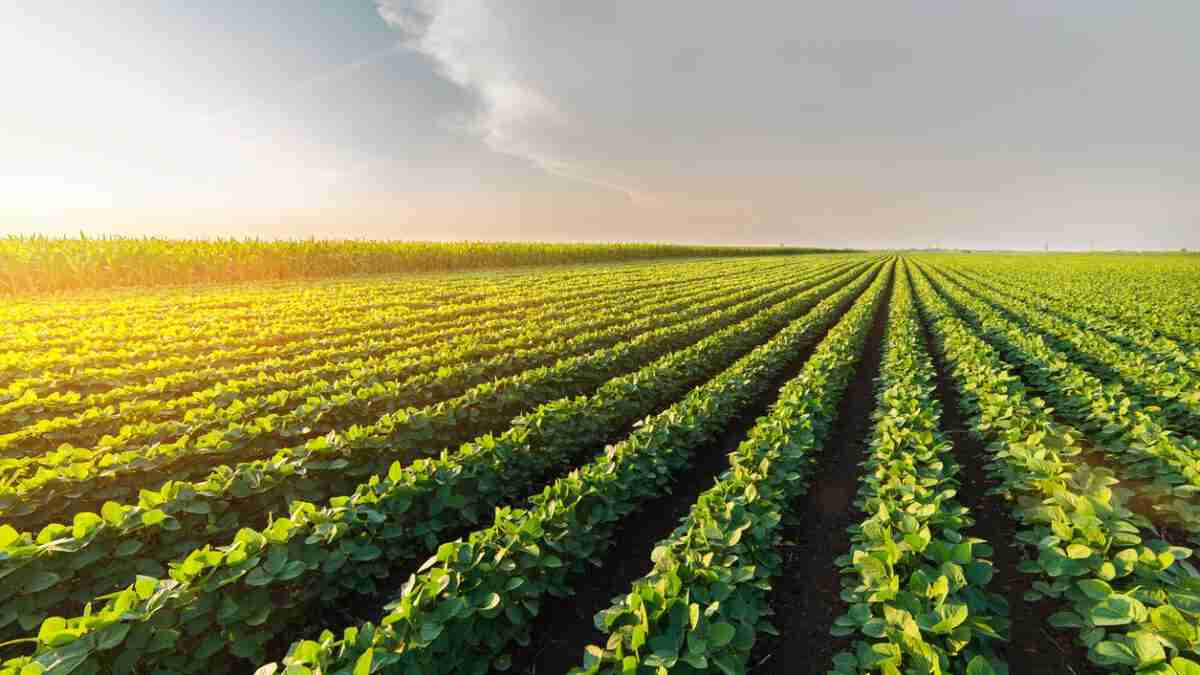
Understanding the Agricultural Backbone of Corn Production
The journey of corn from seed to table begins with a deeply ingrained agricultural framework that emphasizes sustainability, efficiency, and innovation. Farmers across various regions employ diverse cultivation techniques to ensure a robust yield, including crop rotation, precision farming, and sustainable pest management. Corn thrives in a range of environmental conditions, which has led to its prevalence in numerous countries, particularly in the Americas. Key factors that influence corn production include:
- Soil Quality: Healthy, nutrient-rich soil forms the foundation of successful corn farming.
- Water Management: Adequate irrigation and rainfall patterns are crucial for optimal growth.
- Seed Variety: The selection of appropriate hybrid seeds can lead to higher resistance against diseases and yield risks.
- Tillage Practices: Conservation tillage methods help preserve soil moisture and reduce erosion.
Once harvested, corn undergoes a fascinating transformation through various processing stages that play a vital role in the overall food supply chain. Processing not only enhances the shelf life of corn but also unlocks its potential for creating a variety of food products ranging from snack foods to sweeteners. The efficiency of these processes is supported by innovations in food technology, which include:
| Processing Stage | Description |
|---|---|
| Dry Milling | Grinds corn into flour, cornmeal, and hominy. |
| Wet Milling | Separates corn into starch, oil, and protein. |
| Fermentation | Transforms corn into ethanol and other bioproducts. |
These processing methods not only maximize the utility of corn but also significantly contribute to the agricultural economy, empowering farmers and innovators to collaborate on sustainable solutions for future food security.
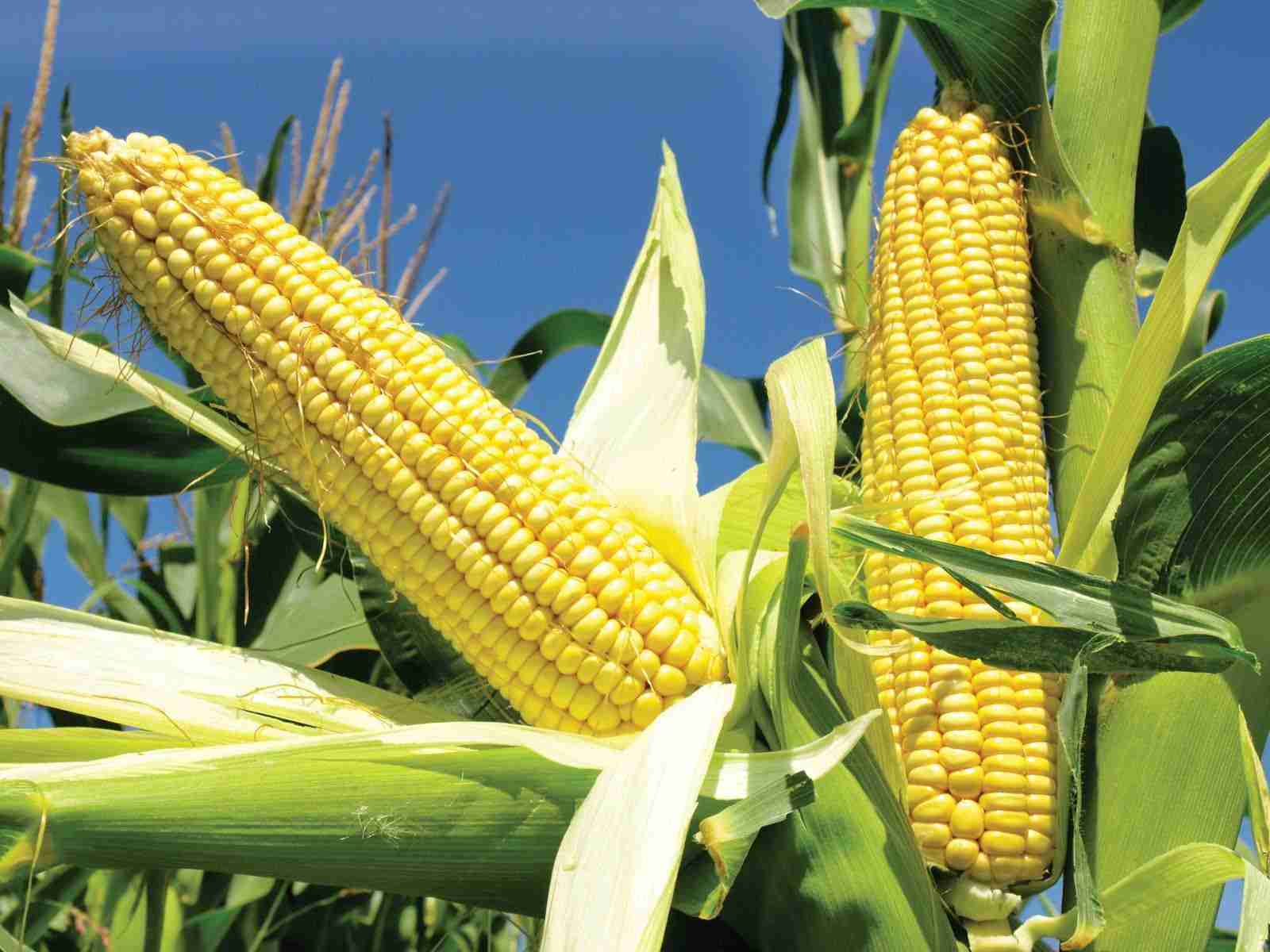
Exploring Innovative Techniques in Corn Processing
As the corn industry evolves, a wave of innovative techniques is emerging to enhance efficiency and sustainability in processing. One of the most exciting advancements is the use of enzymatic treatments, which allow for the breakdown of starches into fermentable sugars with minimal environmental impact. This method not only reduces energy consumption but also enhances the yield of valuable byproducts such as corn syrup and ethanol. Additionally, the incorporation of extrusion technology has revolutionized snack food production, enabling manufacturers to create high-quality corn-based snacks with unique textures and flavors that cater to diverse consumer preferences.
Furthermore, biotechnology is playing a crucial role in the development of genetically modified corn varieties that are better suited for processing. These crops are engineered to produce higher yields and possess improved nutritional profiles, creating a sustainable supply chain from farm to table. Companies are also exploring the possibilities of using byproducts from corn processing, such as distillers grains and corn oil, to create biodegradable plastics and animal feed, effectively closing the loop on waste. The integration of smart processing technologies—including real-time data analytics and automation—has the potential to transform manufacturing operations, allowing for precise quality control and reduction of food waste.
| Technique | Description | Benefits |
|---|---|---|
| Enzymatic Treatments | Starch breakdown into sugars using enzymes. | Reduced energy consumption, improved yields. |
| Extrusion Technology | Creates unique textures in corn snacks. | Increased product diversity, enhanced flavor. |
| Biotechnology | Genetically modified corn for better traits. | Sustainable supply, improved nutrition. |
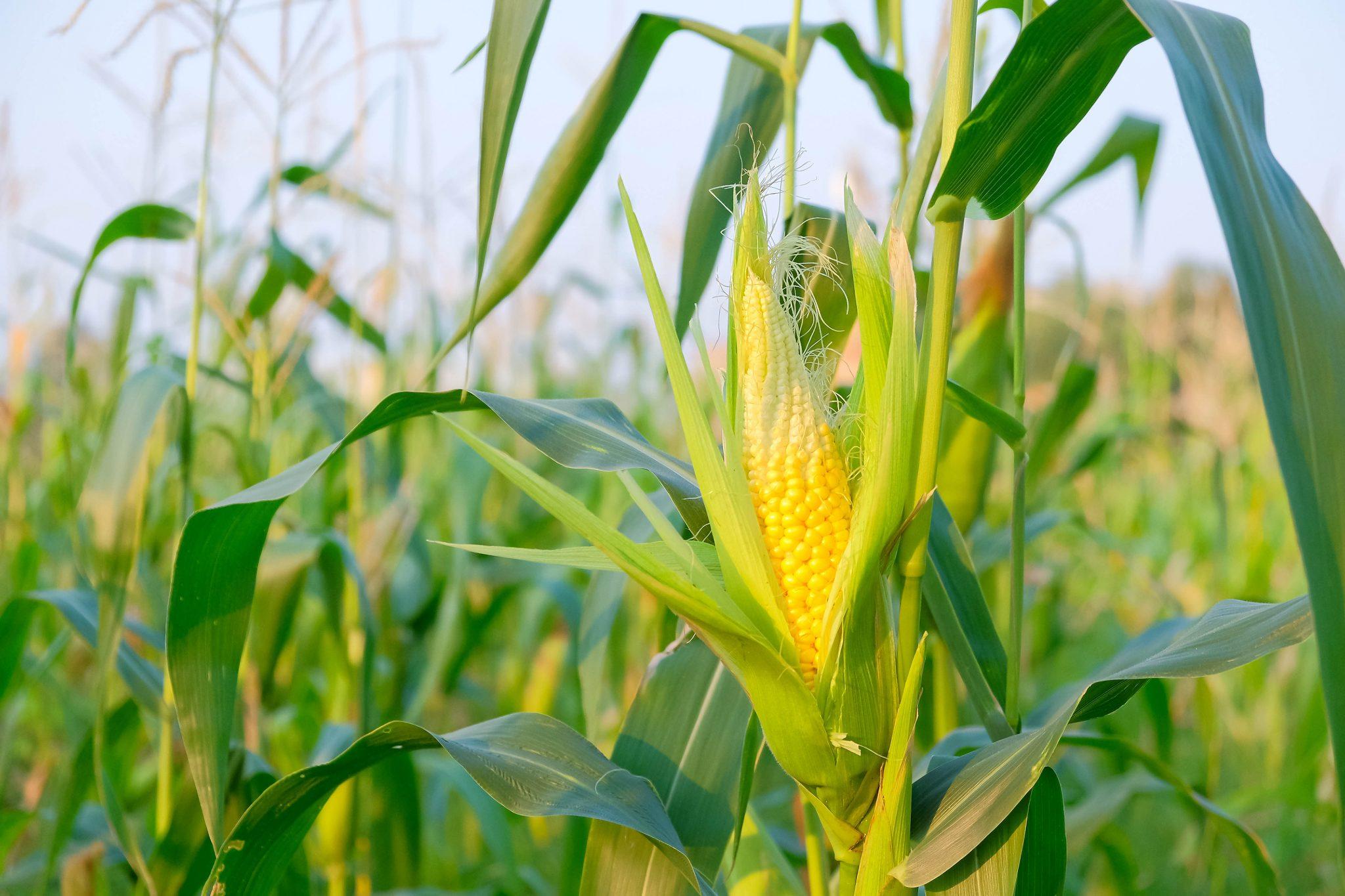
Transformative Applications of Corn in Food Science
Corn is a versatile crop that plays a pivotal role in the realm of food science, transcending its status as a staple grain to become a catalyst for innovation. Corn starch, for instance, is not merely a thickening agent; it serves as a vital ingredient in gluten-free products, enhancing texture and moisture retention. Additionally, the emergence of high-fructose corn syrup has revolutionized sweetening agents in the food industry, providing a cost-effective alternative to traditional sugars, and altering flavor profiles in processed foods. Engaging in the sustainable processing of corn facilitates the creation of bioplastics, derived from corn-based materials like polylactic acid, heralding a new era in environmentally friendly packaging solutions for the food sector.
Moreover, corn serves as a foundation for a myriad of by-products that enhance culinary diversity. From cornmeal and corn syrup to whole-grain options, the transformation of corn into various forms offers food scientists and manufacturers a canvas to experiment with flavors, nutrition, and dietary needs. Within the realm of fermentation, corn is pivotal in producing ethanol, an alcoholic beverage base, while its protein-rich variants are leading to the development of mycoproteins which aim to mimic meat products. The diverse applications of corn underscore its importance not just as an alimentary staple but as a critical ingredient in the quest for healthy, sustainable, and innovative food solutions.
| Corn Product | Application |
|---|---|
| Corn Starch | Thickening agent in sauces and soups |
| High-Fructose Corn Syrup | Sweetener in processed foods and beverages |
| Cornmeal | Baking ingredient in breads and snacks |
| Ethyl Alcohol | Fermentation component for spirits and vinegar |
| Mycoprotein | Meat substitute in vegetarian products |

Sustainability Practices for a Responsible Corn Industry
Ensuring a responsible corn industry requires a holistic approach that integrates sustainable agricultural practices throughout the entire supply chain. Farmers can implement techniques such as cover cropping, minimal tillage, and crop rotation to enhance soil health and reduce erosion. These practices not only contribute to improved yields but also minimize the environmental impact. Furthermore, the adoption of advanced precision farming technologies allows for optimized resource use—enabling farmers to apply fertilizers and water more efficiently, ultimately lowering carbon footprints.
In addition to on-farm practices, collaboration across the supply chain plays a vital role in promoting sustainability. Processing facilities can reduce waste by implementing energy-efficient systems and recycling by-products. Additionally, forging partnerships with local farmers can create shorter supply chains, reducing transportation emissions. To foster transparency and trust, stakeholders can share their sustainability metrics through initiatives such as the following:
- Greenhouse Gas Emission Reporting
- Water Usage Accountability
- Soil Health Improvements
| Sustainable Practice | Expected Benefit |
|---|---|
| Cover Cropping | Enhances Soil Fertility |
| Precision Agriculture | Reduces Resource Waste |
| Waste Recycling in Processing | Minimizes Landfill Impact |
Key Takeaways
As we conclude our journey through the intricate world of corn processing, it becomes clear that every kernel tells a story—a story that begins on sun-drenched fields and travels through a labyrinth of innovation, technology, and culinary artistry. From the dedicated farmers nurturing the crops to the skilled processors refining them into diverse ingredients, each step in this intricate dance contributes to the vibrant tapestry of our food system.
In unveiling the behind-the-scenes magic of corn processing, we discover not only the versatility of this humble grain but also the connection it fosters between farm and table. The innovations borne out of corn extend far beyond traditional uses, fueling advancements in health, sustainability, and cuisine.
As consumers, we have the opportunity to appreciate and support this passionate endeavor, recognizing the resilience and creativity that define our relationship with corn. Each bite of a corn-based product is a testament to the journey that brought it to our plates—a journey rich with collaboration and innovation. So, the next time you savor a dish that features corn, remember the story unfolding behind it, and celebrate the dedication that keeps this essential grain at the heart of our culinary landscape.



