
Exploring the Grain: The Art and Science of Maize Milling
In the heart of many culinary traditions lies a humble yet transformative grain: maize. Revered in cultures worldwide, maize serves as both a staple food and a vibrant ingredient that enhances flavors and textures across countless dishes. Yet, behind its versatility lies a complex process that is as much an art as it is a science—maize milling. This intricate journey, from the golden fields to the finely milled product, blends time-honored techniques with modern technology, unlocking the potential of maize in innovative ways. As we delve into the world of maize milling, we invite you to explore the craftsmanship involved, the intricate machinery that drives production, and the myriad ways in which this age-old process continues to evolve. Join us as we unravel the grains of knowledge that connect the past and the future of this essential crop.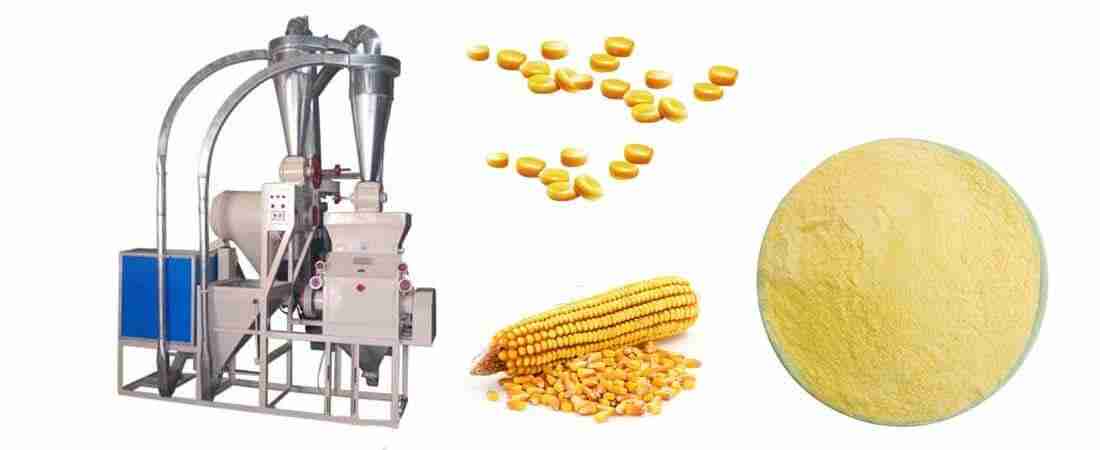
The Journey from Cob to Flour: Understanding the Maize Milling Process
To transform cob into a fine powder, the maize milling process is a journey marked by engineering finesse and agricultural mastery. Starting with the selection of raw maize, the quality of the cob plays a pivotal role in determining the final product. Factors such as moisture content, variety, and maturity of the maize are carefully assessed to ensure optimal milling results. Once harvested, the cobs undergo cleaning and conditioning, where impurities such as dust, stones, and leftover plant materials are meticulously removed. This ensures that only the best-quality maize is processed further.
The milling process itself involves several stages, each serving a unique purpose:
- Breaking: Cobs are crushed to separate the kernels from the cob.
- Degerminating: Germs and endosperms are processed to enhance nutritional value.
- Grinding: The kernels are ground down through a series of rollers to achieve the desired texture.
- Sifting: the ground maize is sifted to separate flour from grits.
To visualize the process and its components, here’s a simple overview:
| Stage | Description |
|---|---|
| Selection | Assessing cob quality for milling |
| Cleaning | Removing foreign materials |
| Grinding | Mill to desired texture |
| Sifting | Separating flour from grits |

Precision and Technique: Essential Machinery in Modern Milling
In the world of maize milling, precision and technique play a pivotal role in transforming raw grain into high-quality products. Every single step of the milling process must adhere to strict standards, ensuring that the integrity of the maize is preserved while maximizing yield. This requires machinery that is not only sophisticated but also incredibly efficient. Current milling technologies hold the capability to finely adjust the grinding pressure and grain separation methods, enabling millers to achieve consistent particle sizes. Advanced machinery reduces waste and enhances the nutritional value of the flour, resulting in products that meet both consumer demands and industry standards.
The intricacies of modern milling machines combine engineering excellence with innovative design. With features such as automatic moisture control, multistage grinding processes, and real-time monitoring systems, today’s milling equipment ensures that every batch of maize is processed to perfection. Key advantages of these machines include:
- Precision Grinding: Achieving uniform particle sizes.
- Energy Efficiency: Reducing energy consumption during operations.
- Enhanced Hygiene: Maintaining cleanliness to prevent contamination.
To illustrate the comparative advantages of various milling technologies, consider the following table showcasing essential features:
| Machine Type | Grinding Efficiency | Cost | Maintenance Needs |
|---|---|---|---|
| Stone Mill | Moderate | Low | High |
| Roller Mill | High | Medium | Medium |
| Hammer Mill | Variable | Low | Low |
This detailed breakdown aids mill operators and business owners in making informed choices when selecting technology for their milling needs, ensuring they harness the full potential of their maize while adhering to industry requirements.
Nutritional Benefits and Culinary Uses: Harnessing the Power of Maize
Maize is not just a versatile grain; it is also a powerhouse of nutrition, offering a range of health benefits that make it an essential part of many diets worldwide. Packed with vitamins and minerals, maize is an excellent source of:
- Vitamin B6 - crucial for metabolism and brain health
- Magnesium – supports muscle and nerve function
- Iron – essential for blood production
- Antioxidants – help combat oxidative stress
From a culinary perspective, maize’s versatility allows it to shine in myriad dishes across cultures. It can be consumed in various forms, such as cornmeal, popcorn, and corn flour. This adaptability extends to:
- Soups and stews – adding both warmth and texture
- Breads and tortillas – staples in many cuisines
- Snacks – such as chips and popcorn, satisfying cravings
Furthermore, maize can be incorporated into health-focused meals, providing a gluten-free option perfect for those with dietary restrictions.
| Maize Form | Culinary Use | Nutritional Highlight |
|---|---|---|
| Cornmeal | Breads and porridge | High in fiber |
| Popcorn | Snacks | Low-calorie option |
| Hominy | Grits and stews | Rich in antioxidants |
| Sweet corn | Side dishes and salads | High in vitamins A and C |

Sustainable Practices in Milling: Innovations for a Greener Future
The milling industry has seen a substantial shift towards sustainability, driven by innovations that not only enhance efficiency but also minimize environmental impact. Today’s milling operations are adopting state-of-the-art technologies that leverage renewable energy sources and advanced waste management systems. For instance, the integration of solar panels into milling facilities allows for a significant reduction in carbon footprints, empowering mills to operate on clean, renewable energy. Simultaneously, the process of upcycling by-products from milling operations—such as husks, bran, and germ—can lead to the creation of biofuels, animal feeds, and even bioplastics, further reducing waste and promoting circular economy practices.
Moreover, data-driven approaches are now playing a crucial role in sustainable milling practices. Smart sensors and IoT devices are being utilized to monitor resource consumption in real-time, enabling mill operators to optimize energy and water use throughout the milling process. By implementing predictive maintenance technologies, mills can avoid downtime and reduce waste, both of which contribute to a more sustainable operation. Here are some key innovations transforming the milling landscape:
- Energy-efficient machinery: Reduces electricity consumption.
- Water recycling systems: Minimizes water usage.
- Automated quality control: Ensures product consistency while reducing material waste.
- Eco-friendly packaging solutions: Promotes sustainability from the mill to the consumer.
To Conclude
As we draw the curtains on our exploration of the intricate world of maize milling, it becomes clear that this process is far more than simply transforming grains into flour. It is a delicate dance between age-old traditions and cutting-edge technology, where the art of craftsmanship meets the precision of scientific innovation. The vibrant history of maize intertwines with modern techniques, illuminating the importance of sustainability and quality in every kernel milled.
The journey from field to flour not only nourishes our bodies but also enriches our culinary experiences and cultural traditions. As we continue to embrace the multifaceted nature of maize, we invite you to deepen your appreciation for this versatile grain. Whether you’re a seasoned miller, a culinary enthusiast, or simply curious about the grains that fill our plates, remember that each handful carries with it a story—a testament to the age-old relationship between humankind and one of our most cherished staples.
So, the next time you savor a warm tortilla or a bowl of polenta, take a moment to reflect on the journey that brought it to your table, and the art and science nestled within each grain of maize. Thank you for joining us on this enlightening quest; may it inspire further curiosity and exploration in your culinary adventures.



