
From Grain to Box: The Journey of Cereal Processing
In a world increasingly driven by convenience and speed, few breakfast staples embody this ethos quite like cereal. A quick pour of crunchy goodness paired with cold milk has become a morning ritual for millions. But the delicious flakes and puffs we find in brightly colored boxes on supermarket shelves didn’t just magically appear. Behind each serving lies a fascinating journey that begins in golden fields and culminates in homes around the globe. From the cultivation of grains to the intricate processes of milling, cooking, and packaging, the transformation of humble kernels into beloved breakfast choices is a marvel of modern food science. Join us as we unravel the intricate steps involved in cereal processing, shedding light on the journey that turns nature’s bounty into the quick and convenient breakfast option we cherish today.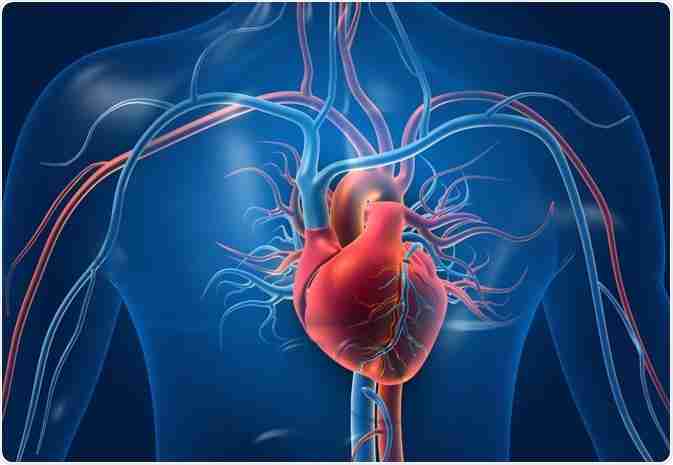
The Heart of Harvest: Understanding Grain Selection and Sourcing
At the core of every delectable cereal lies a meticulously curated selection of grains, each chosen for its unique characteristics. The journey begins with an understanding of the primary grain types used in cereal production. These can include:
- Wheat: Renowned for its versatility, it is rich in gluten, giving cereals their structure.
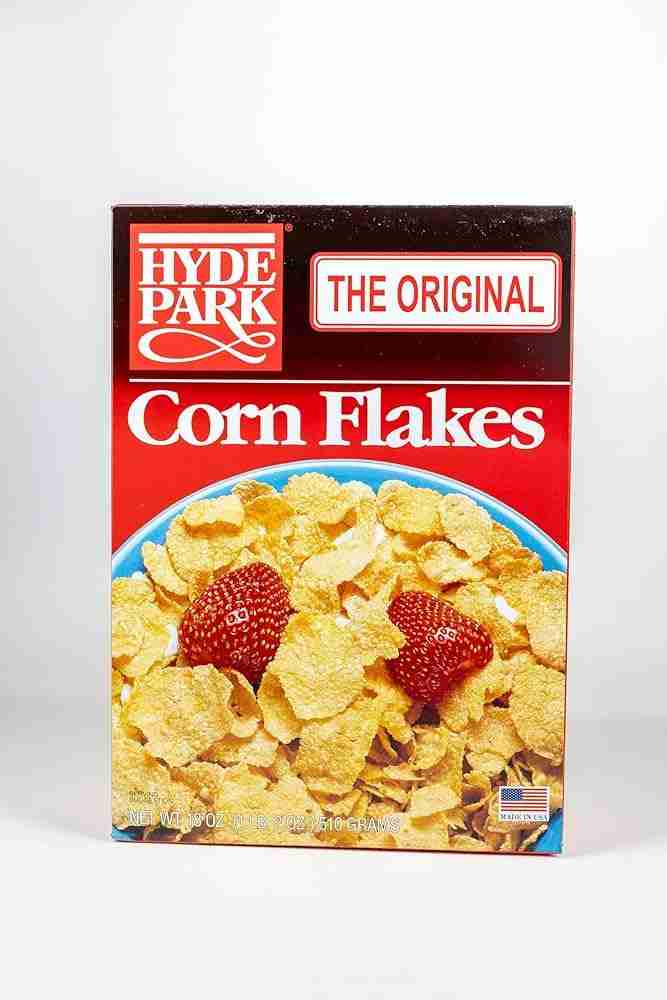
- Corn: A staple in many breakfast favorites, it offers a sweet flavor and vibrant color.
- Oats: Valued for their health benefits, oats are often celebrated for their ability to promote heart health.
- Rice: A gluten-free alternative that caters to a diverse range of dietary needs.
The sourcing of these grains plays a pivotal role in the overall quality of the final product. Farmers, often forming trusted partnerships with cereal producers, ensure that only the highest quality grains reach production facilities. Factors influencing selection include:
- Climate Conditions: The geographical locale can significantly impact grain quality.
- Sustainability Practices: Many producers are now focused on environmentally friendly farming methods.
- Harvest Timing: The optimal harvest window can enhance flavor and nutritional value.

Transforming Nature: The Science Behind Cereal Processing Techniques
Cereal processing is a meticulous dance between science and nature, transforming humble grains into the delightful breakfast options we cherish. This process begins with the initial cleaning and grading of the grains, which removes impurities and ensures quality. Once the grains are sorted, they undergo conditioning, a vital step that optimizes moisture content, making them ready for milling. The milling process is where the real magic happens; whole grains are ground into flour, using a combination of steel rollers and sifting techniques to achieve the desired coarseness. This stage is crucial, as it directly influences the end product, leading to various textures and flavors in cereals.
Following milling, the grains may be subjected to additional treatments. This includes toasting, which enhances flavor profiles while providing that comforting crunch. Next, the cereal base is often mixed with a medley of ingredients, such as sweeteners, vitamins, and flavorings, creating an assortment of varieties to cater to diverse palates. To retain freshness and nutritional value, cereals are packaged with precision. The use of nitrogen flushing is common, displacing oxygen to prolong shelf life. Each stage in this intricate process not only preserves the inherent benefits of the grains but also showcases the innovation of modern food science.
From Flakes to Flavor: Enhancing Nutritional Value and Taste
Transforming cereal flakes into a delightful breakfast staple involves more than just blending grains. The key lies in the meticulous art of enhancing not only the nutritional profile but also the sensory experience of eating. Whole grains are often the foundation, providing essential fiber, vitamins, and minerals. However, the addition of nutrient fortification can elevate these flakes from ordinary to extraordinary. Common enhancements include:
- Vitamins: B vitamins such as folic acid and niacin
- Minerals: Iron and zinc for improved health
- Plant-based proteins: Pea or soy proteins
On the flavor front, engaging the palate is essential for repeat consumption. Manufacturers explore innovative methods to infuse taste while maintaining health benefits. Natural sweeteners, like honey or agave, along with spices such as cinnamon, are often incorporated, creating a balanced profile of sweetness and warmth. To further enhance the experience, the inclusion of crunchy clusters or dehydrated fruits can add fun textures and flavor bursts. Here’s a simple comparison of flavor enhancements:
| Flavoring Agent | Benefit |
|---|---|
| Honey | Natural sweetness, antioxidants |
| Cinnamon | Warmth, potential blood sugar control |
| Dehydrated Fruits | Flavor bursts, vitamins |
| Nut Butters | Rich texture, healthy fats |
Packaging with Purpose: Innovations in Cereal Preservation and Marketing
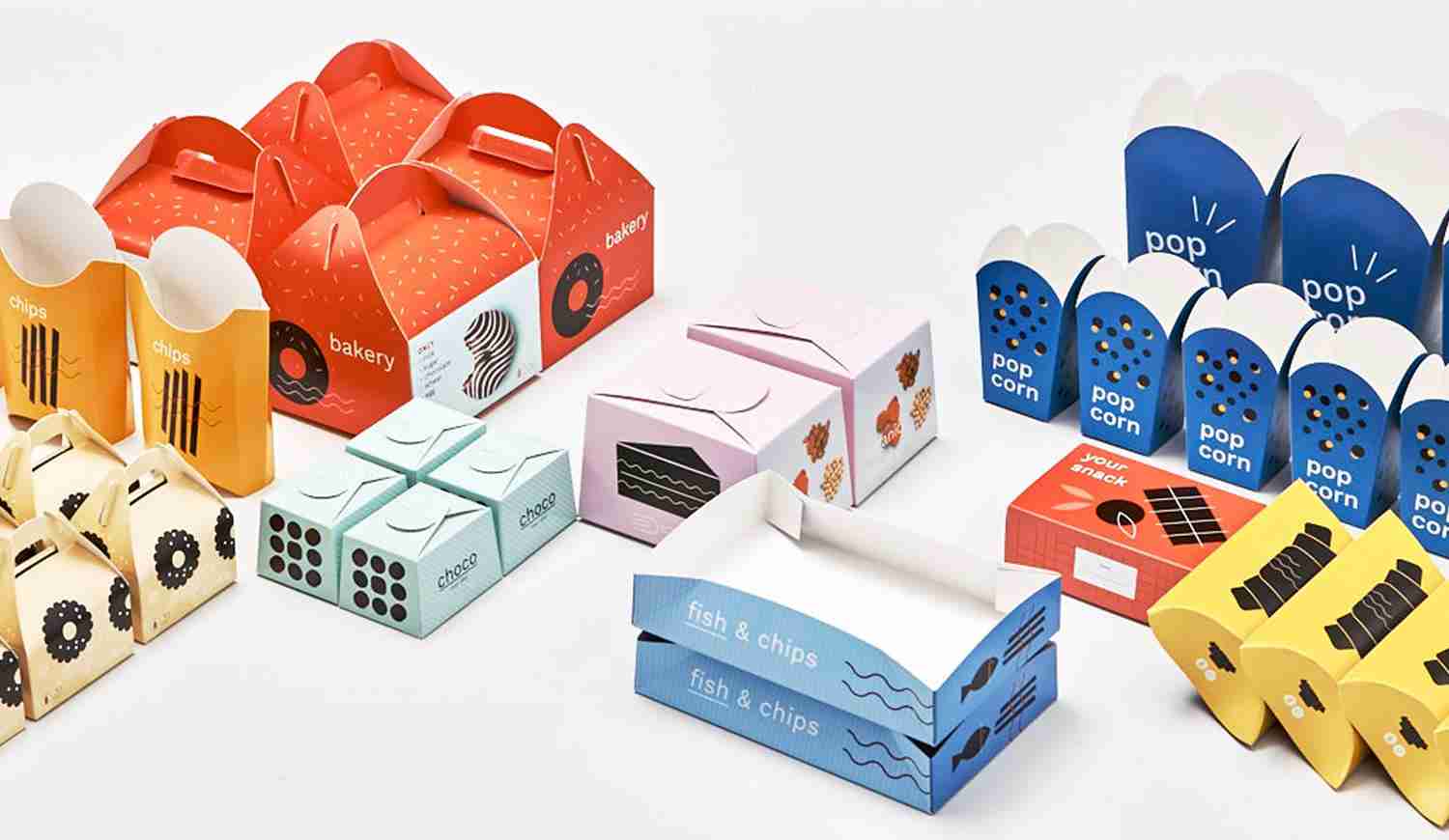
Innovative packaging solutions are transforming how cereal brands protect their products from spoilage while enhancing their market appeal. New materials designed with advanced barrier properties help to preserve the freshness and crunch of cereals, ensuring that every bite delivers the intended taste without compromise. Brands have embraced eco-friendly options that not only safeguard their products but also resonate with increasingly sustainability-conscious consumers. This evolution in packaging strategies can also be seen in various functionalities, such as:
- Resealable closures that maintain freshness after opening.
- Biodegradable packaging that minimizes environmental impact.
- Airtight seals that protect against moisture and air exposure.
- Smart packaging featuring QR codes that provide additional product insights and recipes.
Moreover, the marketing aspect of cereal packaging has seen a significant transformation, utilizing eye-catching designs and vibrant graphics to attract attention on crowded supermarket shelves. Brands leverage captivating storytelling through their packaging—highlighting the nutritional benefits or the journey from farm to table—to connect emotionally with consumers. Not only do these design elements enhance visibility, but they also reinforce the brand’s identity and values. A comparative table outlines key elements from various cereal brands, showcasing how they uniquely approach packaging and marketing:
| Brand | Packaging Type | Unique Feature |
|---|---|---|
| Brand A | Recyclable | Smart QR code for promotions |
| Brand B | Biodegradable | Colorful character graphics |
| Brand C | Resealable | Clip for easy pouring |
Wrapping Up
As we conclude our exploration of the intricate journey “From Grain to Box,” we’ve unveiled the remarkable processes that transform humble grains into the beloved cereal that graces breakfast tables around the world. This journey is not merely a tale of agriculture and manufacturing; it is a testament to human ingenuity and our relentless pursuit of nourishment. Each step, from harvesting the golden fields to packaging the final product, is a blend of tradition and modernity, showcasing the delicate balance between innovation and nature.
As we pour our favorite cereal into a bowl each morning, let us remember the effort and craftsmanship behind every crispy flake. The next time you enjoy that satisfying crunch, consider the farmers who nurtured the crops, the scientists who developed better processing techniques, and the dedicated workers who ensure quality and safety. This intricate tapestry of collaboration highlights the interconnectedness of our food system and the journey from grain to box.
As we look ahead, the future of cereal processing holds endless possibilities. With advancements in technology and growing awareness around sustainability, the next chapter promises to honor our planet while delighting our taste buds. So, next time you savor your breakfast, take a moment to appreciate not just the flavor but the whole journey that brought it to life. After all, every bite is a story waiting to be told.



