
From Field to Food: The Journey of Corn Processing
Corn, often hailed as a staple crop in many cultures around the globe, serves as the backbone of countless culinary creations. Yet, the journey of this vibrant golden grain—beginning in sun-drenched fields and culminating in the diverse array of products that grace our tables—remains a fascinating yet often overlooked narrative. In this exploration of corn processing, we will trace the intricate path that this versatile plant takes, from the moment it is sown in rich soil to its transformation into an assortment of food products. Uncover the science, tradition, and innovation intertwined in each stage of this process, revealing not just the labor but the artistry that brings corn from the harvest to our kitchens. Join us as we delve into the fascinating world of corn, where each kernel carries a story waiting to be told.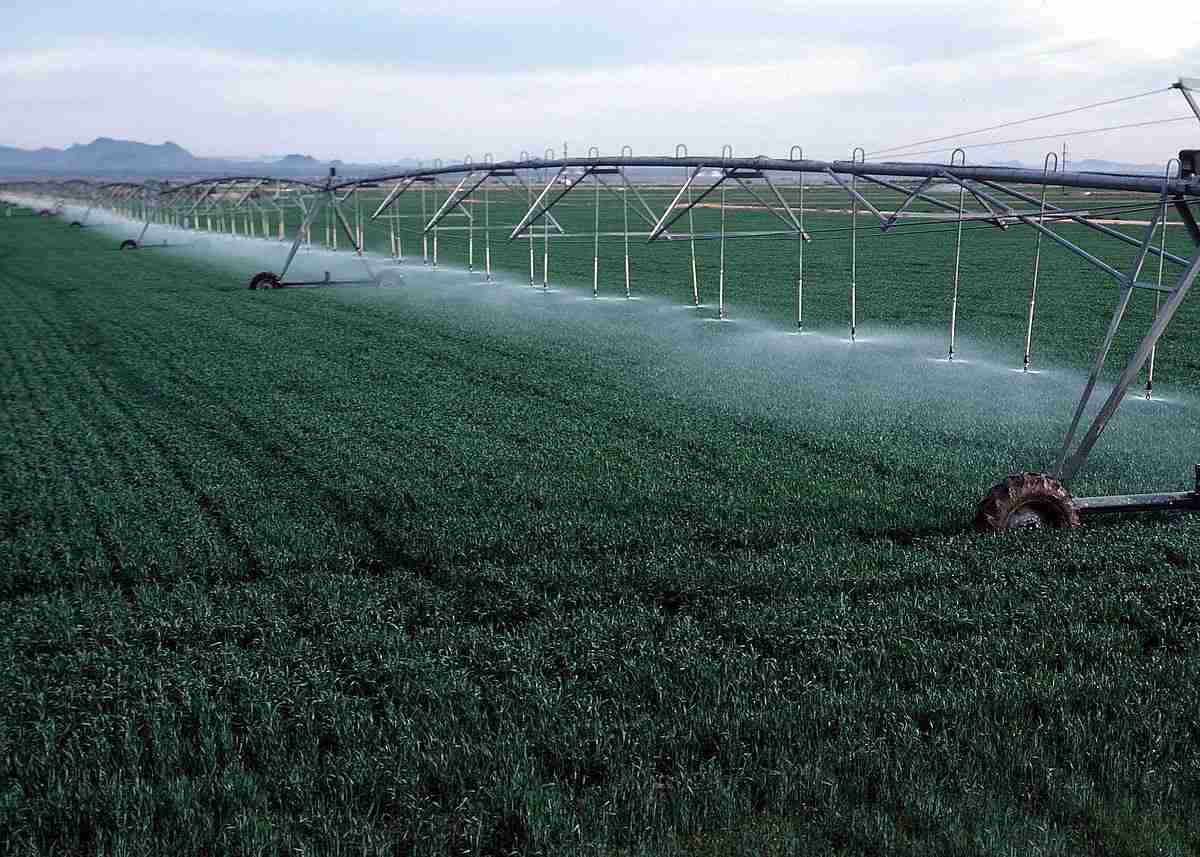
Exploring the Agricultural Backbone of Corn Cultivation
Cultivating corn is an intricate tapestry woven with tradition, technology, and regional knowledge. Farmers dedicate their lives to optimizing the rich soil conditions essential for growing this versatile crop. Each step, from selecting genetically superior seeds to employing precision farming techniques, is crucial in ensuring a bountiful yield. The irrigation systems in place, whether drip or pivot, significantly influence how effectively the crop absorbs water and nutrients, emphasizing the delicate balance required in agriculture. Sustainable practices are increasingly embraced, with farmers rotating crops and implementing cover crops to enrich the soil while reducing pest pressures.
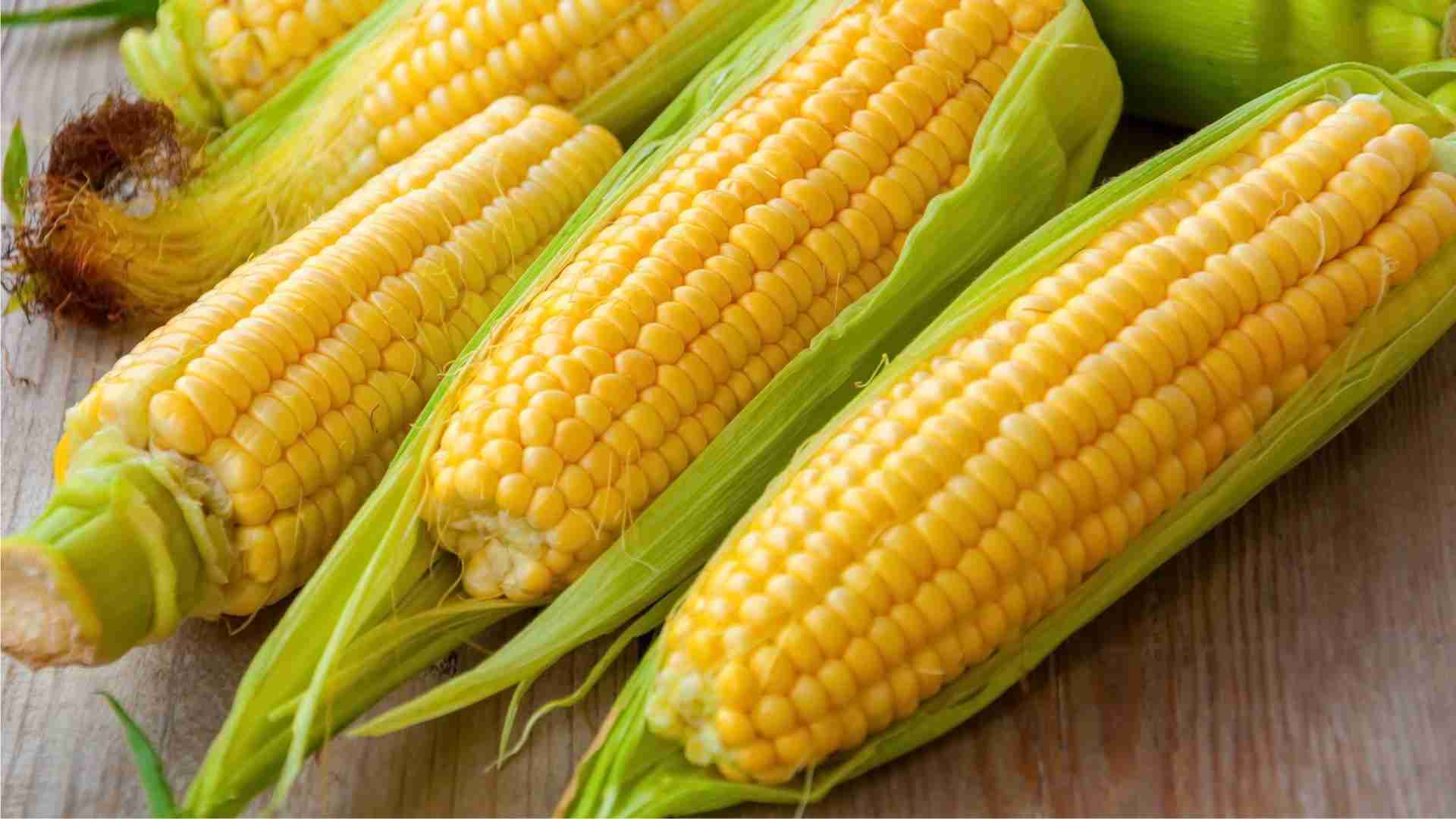
The journey of corn doesn’t end with harvest; it enters a complex processing phase that transforms the raw kernels into various products that grace our tables. Processing facilities play a vital role, utilizing advanced technologies such as dry milling and wet milling. The former focuses on producing cornmeal, grits, and flour, while the latter breaks down corn into valuable components like starches and sweeteners. Notably, the following products are derived from this processing journey:
| Product | Common Uses |
|---|---|
| Sweet Corn | Frozen and canned vegetables |
| Corn Oil | Cooking and frying |
| High Fructose Corn Syrup | Soda and candy sweetener |
| Ethyl Alcohol | Fuel and industrial solvent |
Innovative Techniques in Corn Harvesting and Processing
With technological advancements transforming agriculture, the journey of corn from herbaceous plant to harvested crop has become increasingly efficient and sustainable. Precision agriculture techniques utilize satellite imagery and GPS technology to monitor crop health, ensuring optimal harvest conditions. As corn ripens, autonomous harvesters equipped with AI-driven sensors can determine the ideal timing for collection—maximizing yield while minimizing waste. This not only boosts productivity but also encourages careful stewardship of resources.
In processing, innovative machinery enhances the refining of corn into food products. For instance, continuous flow processing systems allow for the simultaneous cleaning, grinding, and cooking of corn, streamlining production timelines and conserving energy. Additionally, advances in fermentation technology facilitate the conversion of corn sugars into bioethanol and bioplastics, showcasing the plant’s versatility beyond traditional uses. To illustrate these innovations, consider the following table comparing conventional and modern corn processing methods:
| Method | Conventional Processing | Modern Processing |
|---|---|---|
| Efficiency | Time-consuming | Streamlined |
| Energy Use | High | Lower |
| Byproducts | Minimal Utilization | Maximized Value |
| Waste Management | Manual | Automated Solutions |
Understanding the Nutritional Value: From Kernel to Kitchen
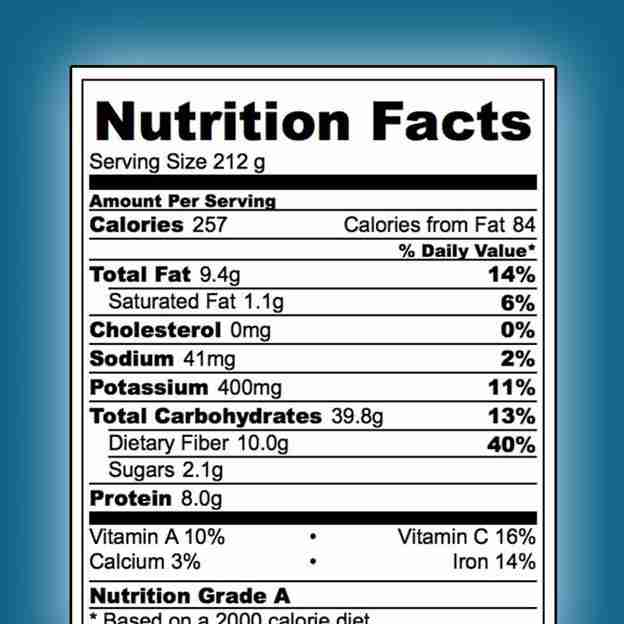
The journey of corn from the field to our kitchen not only transforms its physical form but also significantly impacts its nutritional profile. At the heart of this transformation lies a multitude of processes that retain or alter the valuable nutrients found in this versatile grain. As corn undergoes various stages—harvesting, drying, and processing—the preservation of its inherent benefits is paramount. Key nutrients in corn include:
- Carbohydrates: A primary energy source that fuels our daily activities.
- Fiber: Essential for digestive health, helping maintain regularity.
- Vitamins and Minerals: Nutrients like B vitamins and phytonutrients that contribute to overall well-being.
- Antioxidants: Compounds that combat oxidative stress, potentially reducing the risk of chronic diseases.
However, the method of processing can influence how these nutrients are ultimately absorbed by the body. For example, when corn is ground into meal for baking, some of the fiber and vitamins are retained, while others may be diminished or lost in the milling process. Understanding the nutritional value of corn also encompasses its preparation in the kitchen, where cooking methods can play a role in nutrient availability. Foods derived from corn, such as polenta, tortillas, and cornbread, offer varied nutritional benefits depending on their preparation method. Below is a quick comparison of nutrients in different corn products:
| Product | Calories (per 100g) | Fiber (g) | Protein (g) | Fat (g) |
|---|---|---|---|---|
| Whole Corn | 86 | 2.4 | 3.2 | 1.2 |
| Cornmeal | 370 | 7.3 | 9.1 | 4.2 |
| Tortilla | 218 | 6.1 | 4.7 | 5.0 |
| Cornbread | 353 | 3.0 | 8.0 | 14.0 |

Sustainable Practices for a Greener Corn Supply Chain
Embracing sustainable practices in the corn supply chain is essential for reducing environmental impact and ensuring a healthier planet. Key to this shift is the adoption of precision agriculture, which utilizes technology to optimize resource use and minimize waste. Farmers are increasingly turning to soil health management techniques, including cover cropping and reduced tillage, to enhance soil fertility while sequestering carbon. In addition, crop rotation and intercropping with leguminous plants foster biodiversity, which helps combat pest issues and naturally improves crop yields.
Alongside on-farm innovations, transportation and processing also play pivotal roles in sustainability. By promoting the use of biofuels made from corn and enhancing logistics efficiency through improved route planning, the entire process can significantly lower its carbon footprint. In processing facilities, implementing energy-efficient technologies and water recycling systems leads to more responsible manufacturing practices. A commitment to transparency helps consumers understand the sustainability efforts behind their corn products, fostering a deeper connection between farm practices and the food on their tables.
Key Takeaways
the journey of corn from field to food is a testament to nature’s bounty and human ingenuity. From the sun-drenched fields where the golden kernels mature to the bustling processing plants that transform them into a myriad of products, each step reflects a symbiotic relationship between agriculture and technology. This vibrant grain, laden with history and nutritional value, transcends its humble beginnings to become a staple in cuisines around the world.
As we savor the flavors of corn in all its forms—whether it’s a warm bowl of corn chowder, buttery popcorn at the movies, or even the sweet hint of corn syrup in our favorite treats—let us appreciate the intricate processes that make these pleasures possible. The transformation of corn is not just a journey, but an ongoing narrative, one that connects farmers, processors, and consumers in a collective appreciation of the food we often take for granted. As we continue to innovate and adapt in our food systems, the story of corn serves as a reminder of the importance of sustainable practices and respect for the origins of our nourishment. The next time you enjoy a dish enriched by this versatile grain, reflect on the path it has traveled and the hands that have shaped its journey from field to food.



