
In the heart of fertile fields, where golden cornstalks sway gently in the breeze, a remarkable journey begins—one that transforms humble kernels into culinary delights that grace our tables. “From Field to Fork: The Art of Corn Processing Unveiled” invites you to explore this intricate metamorphosis, unraveling the meticulous processes and age-old traditions that bring corn from its natural habitat to our kitchens. As we delve into the world of corn processing, we’ll uncover not just the technological innovations that have revolutionized this staple crop, but also the cultural significance and versatility that make corn a vital ingredient in cuisines across the globe. Join us as we navigate through the stages of harvesting, drying, milling, and more, shedding light on the artistry involved in creating the nourishing foods we often take for granted.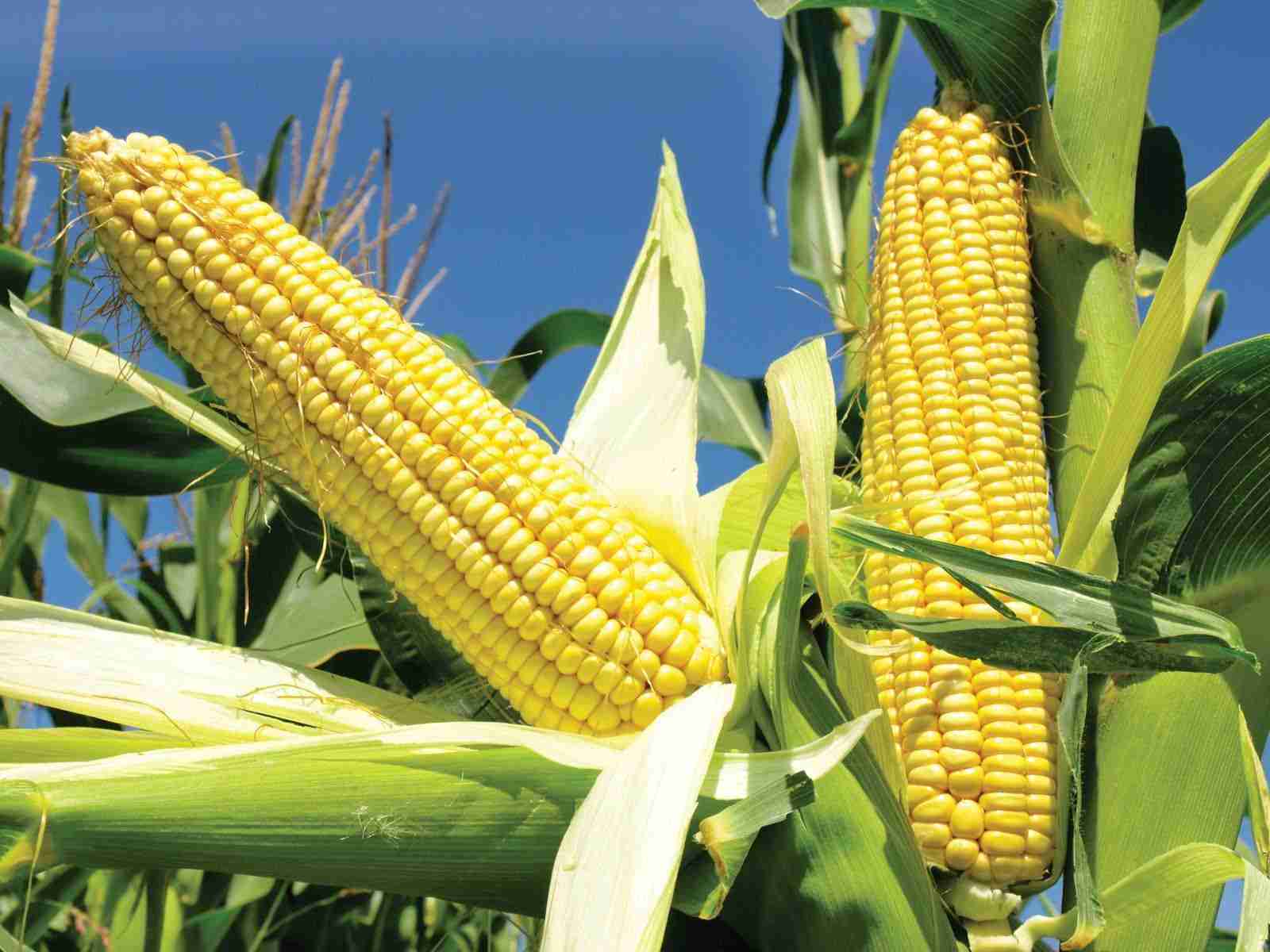
Exploring the Journey of Corn: From Harvest to Consumption
Corn is a vibrant crop that holds a prestigious position in agricultural heritage, celebrated not only for its versatility but also for its transformative journey from the field to our plates. After a bountiful harvest, the vibrant golden kernels are meticulously gathered, initiating a complex series of processing steps. Once collected, corn must undergo drying and shelling, which prepares it for consumption in various forms. The next phases often involve:
- Grinding: This step converts the kernels into flour or meal, essential for baking and cooking.
- Cooking: Grits and polenta can emerge from this process, a popular side dish across cuisines.
- Fermentation: Corn can also unleash its potential during fermentation, leading to products like masa and tortillas.
The versatility of corn extends far beyond the kitchen, taking on numerous roles across industries. Through the art of processing, corn transforms into various products that seamlessly integrate into our daily lives. Notably, products derived from corn can be categorized as follows:
| Category | Products |
|---|---|
| Food | Popcorn, tortillas, cornbread |
| Beverages | Corn whiskey, beer |
| Industrial | Bioplastics, ethanol |
This remarkable trajectory not only enriches our palates but also sustains economies across the globe, reflecting corn’s significant role in human culture and its profound adaptability in a rapidly evolving world.

Innovative Techniques in Corn Processing: Enhancing Flavor and Nutrition
In the quest to create superior corn products, processors are increasingly turning to innovative techniques that not only enhance flavor but also boost nutritional value. One fascinating method involves the use of fermentation, which transforms corn into products like masa, commonly used for tortillas. This process not only enhances the savory notes of corn but also improves digestibility while increasing the bioavailability of essential nutrients such as B vitamins and minerals. Other methods like nixtamalization—a process where corn is soaked and cooked in alkaline water—elevate both the flavor profile and nutrient density of corn, making it more nutritious and versatile in culinary applications.
Additionally, the adoption of enzyme technology and high-temperature short-time (HTST) processing techniques has empowered food manufacturers to maximize flavor retention while minimizing cooking times. These advancements help to preserve the delicate balance of sweet and nutty flavors typical of high-quality corn. With the integration of cold processing techniques, nutrients are now more effectively preserved, enabling consumers to enjoy corn products that maintain their original color, flavor, and nutrition. As producers explore these avenues, corn continues to evolve from a simple staple into a complex ingredient capable of offering enhanced culinary experiences.

Sustainable Practices in Corn Production: Create a Positive Impact
As the demand for corn continues to grow, so does the need for sustainable practices that not only enhance yield but also protect our environment. Farmers are increasingly embracing crop rotation and cover cropping techniques to improve soil health and increase biodiversity. These methods not only replenish essential nutrients in the soil but also reduce the dependency on chemical fertilizers and pesticides. Incorporating integrated pest management (IPM) strategies can further minimize the impact of pests while preserving beneficial organisms. By prioritizing these practices, producers are nurturing resilient ecosystems and ensuring the long-term viability of their operations.
Moreover, water management plays a pivotal role in sustainable corn production. Implementing drip irrigation systems can optimize water usage, conserving this vital resource while maximizing crop productivity. In addition, utilizing rainwater harvesting techniques can provide supplementary water sources, reducing reliance on groundwater. The adoption of precision agriculture technologies, such as satellite imaging and soil sensors, allows farmers to make informed decisions and tailor their practices to meet the unique needs of their fields. By embracing innovation and ecological stewardship, the corn industry is paving the way for a more responsible and productive future.
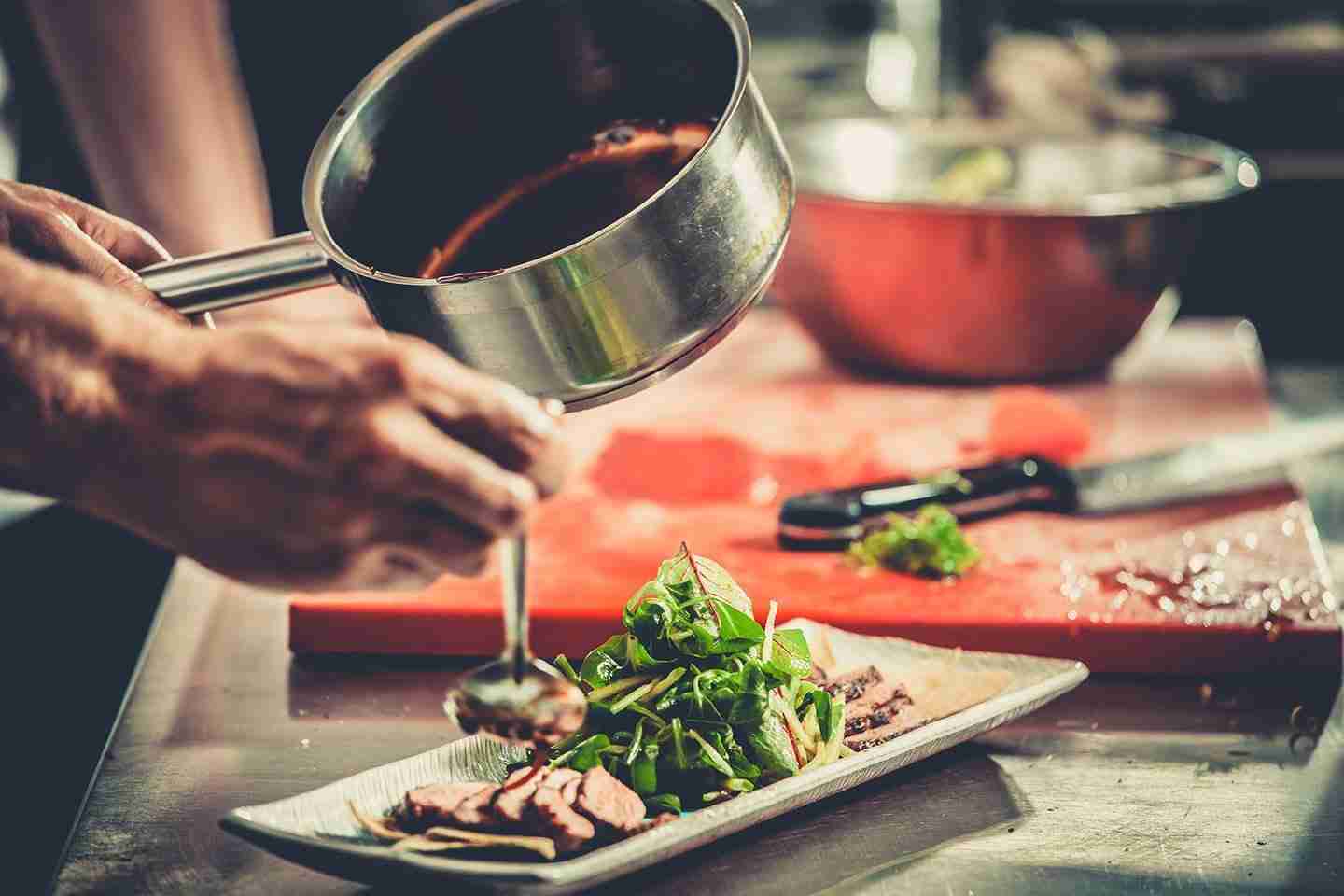
Cooking with Corn: Versatile Recipes that Celebrate Its Richness
Corn is a culinary chameleon, capable of transforming itself across numerous dishes while maintaining its inherent sweetness and texture. From corn chowder that warms the soul to the delightful crunch of corn fritters, the possibilities are endless. Here are some creative ways to incorporate corn into your meals:
- Grilled Corn Salad: Combines fresh corn with tomatoes, bell peppers, and a zesty lime dressing for a refreshing side.
- Corn Risotto: Creamy and rich, this dish uses arborio rice and sweet corn to create a comforting meal.
- Corn Salsa: This vibrant blend of corn, onions, cilantro, and jalapeños adds flair to any tortilla chip or grilled meat.
- Corn Pudding: A sweet and savory baked dish that’s perfect for potlucks and family gatherings.
An often underestimated aspect of cooking with corn is the variety of textures it can impart. When processed thoughtfully, corn can be ground into polenta or cornmeal, forming a base for delightful dishes. Consider trying out these recipes to elevate your meals:
| Dish | Main Ingredient | Culinary Technique |
|---|---|---|
| Sweet Corn Ice Cream | Corn Kernels | Churning |
| Polenta with Mushroom Ragout | Ground Corn | Boiling and Layering |
| Corn Meal Pancakes | Cornmeal | Griddling |
| Corn and Zucchini Fritters | Whole Corn | Frying |
These recipes not only highlight the versatility of corn but also its ability to connect us to our agricultural roots. With each bite, you savor the journey from field to fork, celebrating the hard work that goes into producing such a marvelous ingredient.
Closing Remarks
As we conclude our exploration of “From Field to Fork: The Art of Corn Processing Unveiled,” it’s clear that the journey of corn transcends mere agriculture; it embodies a rich narrative woven through tradition, innovation, and sustainability. From the sun-kissed fields where this versatile grain begins its life to the myriad of culinary creations it inspires, corn processing is a delicate balance of art and science.
By understanding the intricate methods and craftsmanship involved in transforming this humble crop, we gain a deeper appreciation for the food on our plates. Each kernel carries with it the story of the land and the hands that tend to it, reminding us that our choices as consumers can honor this legacy.
As we savor the flavors of corn in its many forms—a warm bowl of popcorn, a slice of cornbread, or a drizzle of corn syrup in our favorite treats—let us take a moment to reflect on the journey it undertook to reach us. In celebrating the art of corn processing, we not only embrace the diversity of flavors but also support sustainable practices that honor our environment.
So, next time you enjoy a dish featuring corn, remember the intricate process behind its transformation and the communities that gather around it. Here’s to continued discovery, innovation, and respect for the journey from field to fork—a journey that links us all, one delicious bite at a time.



