
In the bustling aisles of grocery stores, vibrant boxes of cereal beckon with promises of energy and flavor. Yet, what many consumers overlook is the intricate journey each grain undertakes from field to breakfast table. “Unlocking Nutritional Secrets: The Art of Cereal Processing” invites you to delve into the fascinating world behind this popular pantry staple. Here, we explore the science and craftsmanship involved in cereal production, revealing the delicate balance between nutrition and palatability. From the selection of grains to the innovative techniques employed in processing, this article will illuminate how understanding the art of cereal processing can empower us to make informed choices for our health. Join us as we unlock the secrets lying within those colorful boxes and discover how they shape not just our meals, but our well-being.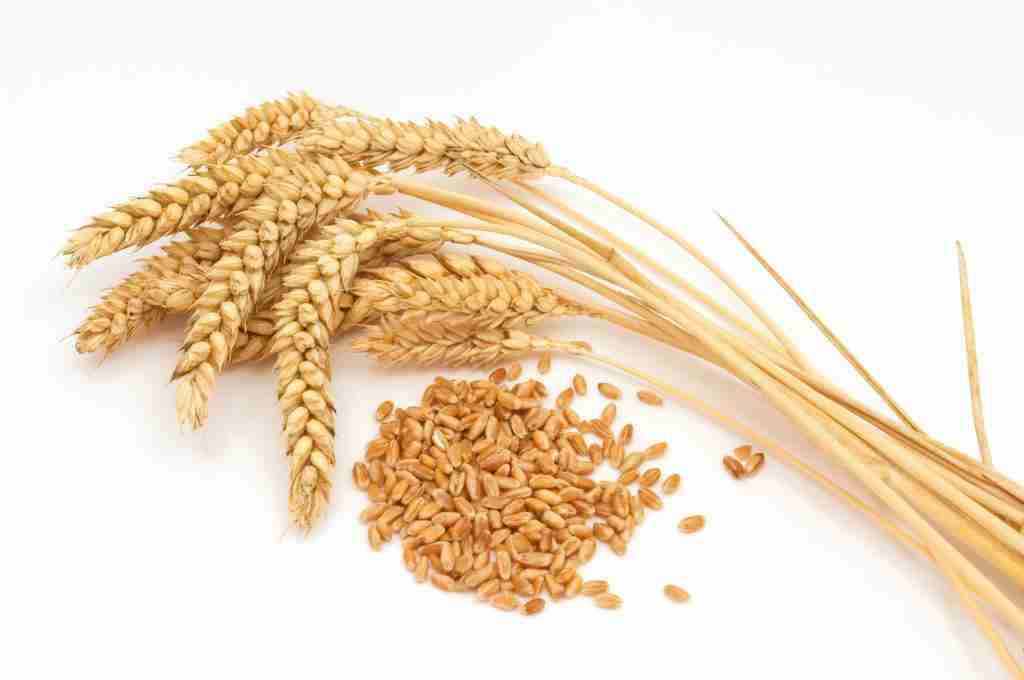
Exploring the Journey from Grain to Bowl: Understanding Cereal Processing
Cereal processing is a fascinating journey that transforms raw grains into the delightful cereals we enjoy each morning. At the core of this transformation is milling, where grains like wheat, corn, and oats are ground into flour or meal. This process involves several steps, including cleaning, conditioning, and grinding, each crucial for ensuring the final product retains its nutritional value. Following milling, various techniques like toasting and flaking enhance flavor and texture, creating a cereal that appeals to the palate while preserving essential nutrients.
Another pivotal aspect of cereal processing is the fortification stage, where vitamins and minerals are added to boost nutritional content. This practice is vital, especially for populations with specific dietary deficiencies. Some common fortifying elements include:
- Iron
- Folate
- B vitamins
Alongside fortification, the packaging of cereals plays a significant role in maintaining freshness and prolonging shelf life. Modern packaging techniques use materials that protect against moisture and light, ensuring that the cereals stay crunchy and flavorful until they reach your breakfast table. Each stage of the cereal processing journey reflects the careful consideration for both taste and nutritional quality, leading to a bowl of cereal that is as wholesome as it is enjoyable.

Unveiling Nutrient Retention: The Science Behind Cereal Composition
Cereals are often celebrated for their convenience and taste, but what lies behind their nutritional appeal? The composition of cereals is intricately linked to the retention of essential nutrients, a process influenced by several factors during production. Whole grains, which include the bran, germ, and endosperm, offer a rich source of dietary fiber, vitamins, and minerals. However, when cereals are processed into more refined forms, key nutrients can be disproportionately lost. The extent of this loss depends on the methods employed, including milling, cooking, and even packaging. Important vitamins such as B vitamins and vitamin E, along with minerals like iron and magnesium, are particularly susceptible to degradation through these various stages.
Understanding nutrient retention helps in appreciating the significance of whole grain cereals. Manufacturers often adopt techniques like cold extrusion and gentle drying, which can enhance the preservation of nutrients while still achieving the desired taste and texture. It’s crucial to evaluate the Nutrient Density Index, which measures the nutritional quality of the cereal versus its caloric content. This highlights:
- Whole Grain Options: Higher nutrient density compared to refined versions.
- Added Nutrients: Fortification can compensate for some losses during processing.
- Serving Size Impact: Smaller portions may lead to lower nutrient intake.
| Cereal Type | Nutrient Density Score | Common Nutrients Retained |
|---|---|---|
| Whole Wheat | 8.5 | Fiber, Iron, Magnesium |
| Refined Wheat | 5.0 | Iron, B Vitamins (fortified) |
| Oatmeal | 9.0 | Fiber, Protein, Antioxidants |
the science behind cereal composition reveals a delicate balance between convenience and nutrition. By applying informed processing techniques and selecting whole grain options, we can unlock the full potential of cereals as a vital component of a balanced diet.
Flavor and Texture Transformation: The Role of Processing Techniques
Cereal processing is an art that significantly alters the flavor and texture of grains, transforming humble seeds into highly palatable breakfast staples. Various methods such as toasting, puffing, and flaking can enhance or shift the natural taste profile of cereals. For instance, toasting creates a richer, nuttier flavor, while puffing introduces a light, airy crunch that appeals to our taste buds. The texture of processed cereals often plays a crucial role in consumer preference, as a variety of shapes, sizes, and consistencies cater to different eating experiences. The conservation of essential nutrients during these techniques is paramount, ensuring that flavor enhancements do not compromise the health benefits.
Moreover, the interplay of ingredients during processing allows for innovative combinations that elevate traditional cereals to new heights. By incorporating additives such as dried fruits, nuts, and natural sweeteners, manufacturers can further refine taste and texture. This not only enhances the sensory experience but also boosts nutritional value. Below is a simple illustration of key processing techniques and their effects on flavor and texture:
| Processing Technique | Flavor Impact | Texture Changes |
|---|---|---|
| Toasting | Enhances nuttiness | Crispy, crunchy |
| Puffing | Mild and airy | Light, puffed |
| Flaking | Subtle sweetness | Thin, crisp |
| Extrusion | Custom flavors | Varied shapes, textures |

Smart Choices for Healthier Breakfasts: Tips for Selecting Cereals Wisely
When selecting cereals for a healthier breakfast, it’s essential to become a savvy label reader. Look for products that boast whole grains as the primary ingredient, ensuring that the beneficial fiber content is preserved. Aim for cereals that contain at least 3 grams of fiber per serving to support digestive health. Additionally, be cautious of added sugars; choose those with less than 10 grams of sugar per serving, as excessive sugar can lead to energy crashes later in the day. Also consider the protein content; cereals fortified with protein can help you feel fuller longer, aiding in weight management and concentration throughout your morning routine.
Another important factor is the inclusion of vitamins and minerals that can enhance your overall breakfast experience. Some brands fortify their cereals with essential nutrients, making it easier to hit your daily intake targets. Keep an eye out for options that feature added iron, vitamin D, and calcium. To assist in your decision-making process, here’s a handy comparison of popular cereal types based on their nutritional profiles:
| Cereal Type | Calories (per serving) | Fiber (g) | Sugar (g) | Protein (g) |
|---|---|---|---|---|
| Oatmeal | 150 | 5 | 1 | 6 |
| Granola | 200 | 3 | 12 | 5 |
| Whole Grain Flakes | 120 | 4 | 5 | 3 |
With these components in mind, you’re now equipped to make informed choices that can lay a solid foundation for your day. Planning ahead with nutritious cereals can transform breakfast from a mundane routine into a vibrant start, nourishing both body and mind.
Future Outlook
the journey through the world of cereal processing unveils a fascinating tapestry of science and tradition, where each grain holds the potential to transform into a breakfast staple that nourishes millions. By understanding the meticulous art behind this age-old practice—where careful selection, innovative techniques, and a deep respect for nutritional integrity converge—we unlock not only the secrets of our favorite cereals but also a greater appreciation for the food we consume. As we navigate our modern diets, it becomes increasingly imperative to recognize the role of processed grains in our everyday lives, reminding us that simplicity and nutrition can indeed go hand in hand. So, the next time you pour a bowl of cereal, take a moment to reflect on the expertise that crafted each crunchy flake, and remember that within those humble grains lies a wealth of knowledge waiting to be embraced.



