
Revolutionizing Harvests: The Evolution of Rice Machinery
In the heart of countless cultures and economies, rice has long been more than just a staple food; it is a symbol of sustenance and tradition. For centuries, farmers have relied on manual labor and rudimentary tools to cultivate this vital crop, pouring their hopes and dreams into each harvest. However, as the global population surges and climate challenges loom, the agricultural landscape is undergoing a profound transformation. Enter the realm of rice machinery—a domain where innovation meets legacy, forging a new narrative in the world of farming. From the humble hand sickle to cutting-edge combines, the evolution of rice machinery not only enhances efficiency and yield but also empowers farmers with the tools to adapt to their changing environment. This article explores the journey of rice harvesting technology, spotlighting its significant milestones, current advancements, and the future it promises for agricultural sustainability. Join us as we unravel the intricate tapestry woven by tradition and technology, illuminating how these machines are revolutionizing the way we harvest one of the world’s most vital grains.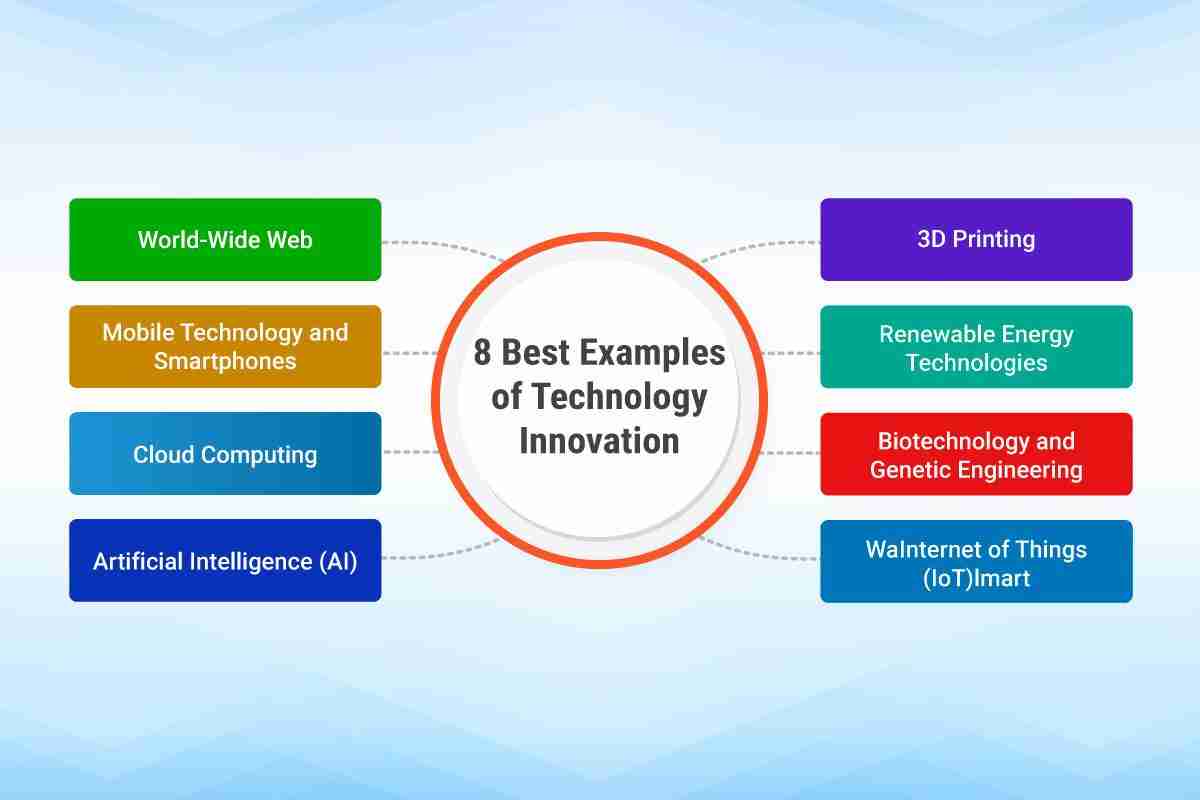
Innovative Technologies Transforming Rice Harvesting Practices
The rice harvesting landscape is undergoing a seismic shift due to a blend of advanced technologies that streamline efficiency and boost yield. Autonomous machinery and smart farming solutions are at the heart of this transformation, enabling farmers to maximize their harvests with precision and ease. Beyond traditional methods, new gadgets like drones and AI-driven crop management systems offer real-time insights, allowing growers to monitor field conditions and make informed decisions. This technological integration not only reduces labor costs but also minimizes the environmental footprint associated with rice farming.
Another significant development includes the advent of mechanized harvesters that adapt to various terrains and crop types. These machines incorporate innovative features such as sensor technology to detect ripeness levels, ensuring harvesting occurs at the optimal time. Furthermore, the use of biotechnology enables the creation of high-yield, disease-resistant rice varieties, which significantly enhances productivity. As these innovations continue to evolve, we witness a new era of agricultural practices that promise sustainability and food security for future generations.

Sustainability in Machinery: Balancing Efficiency and Environmental Impact
The agricultural sector has seen remarkable advancements, especially in rice cultivation, where the push for better machinery is driven by the dual demand for productivity and sustainability. Innovations in machinery have led to more efficient fuel consumption and reduced emissions, ensuring that farmers can increase their yields without compromising the planet. Important developments include:
- Precision Agriculture: Utilizes GPS and IoT technology to optimize planting and harvesting cycles.
- Hybrid Equipment: Combines traditional techniques with modern technology, minimizing waste and maximizing throughput.
- Alternative Energy Sources: Machines powered by solar, wind, and biodiesel are becoming more common, further reducing carbon footprints.
The balance between productivity and environmental stewardship is now a crucial objective for machinery manufacturers. A closer look at key metrics reveals shifts in the industry’s approach, emphasizing sustainable practices without sacrificing output. The following table outlines some innovative features in modern rice machinery compared to traditional options:
| Feature | Modern Machinery | Traditional Machinery |
|---|---|---|
| Fuel Efficiency | 20-30% less fuel usage | Standard consumption rates |
| Emission Levels | Low emissions: complies with regulations | Higher emissions: lacks eco-certification |
| Data Utilization | Real-time analytics for resource management | Manual input with limited tracking |
Through these advancements, farmers are empowered not only to improve yield but also to adopt methods that contribute to a healthier ecosystem. As the demand for rice continues to grow globally, the importance of such dual objectives will only intensify, directing the future of agricultural machinery toward an era of ecological responsibility.
The Role of Automation in Increasing Yield and Reducing Labor Costs
The integration of automation in rice harvesting has radically transformed agricultural practices, driving substantial increases in yield while simultaneously reducing labor costs. By employing advanced machinery, farmers can streamline the harvesting process, ensuring that crops are collected efficiently and with minimal manual intervention. Automated systems, such as combine harvesters equipped with intelligent sensors, optimize the timing and method of harvest, which reduces waste and maximizes output. These innovations not only boost productivity but also enhance the quality of the grain collected, providing farmers with a better return on investment.
Moreover, the advancement of technology in rice machinery has significantly diminished the reliance on labor-intensive methods. With automated solutions, farmers benefit from:
- Reduced labor costs: Less manual labor required translates into lower operational expenses.
- Increased efficiency: Precision farming techniques ensure resources are utilized effectively.
- Data-driven insights: Automation allows for real-time monitoring and decision-making, promoting better crop management.
These factors culminate in a more sustainable and profitable agricultural model, helping to secure food production in an ever-evolving global market.
Future Trends: Smart Machinery and the Next Generation of Rice Farming
The advent of smart machinery is paving the way for unprecedented advancements in rice farming. As artificial intelligence and the Internet of Things (IoT) continue to evolve, they bring forth tools that significantly enhance productivity and resource management. Precision farming techniques are being integrated with cutting-edge machinery to offer farmers data-driven insights into soil health, moisture levels, and crop conditions. This fusion of technology not only minimizes waste but also enables farmers to make informed decisions that maximize yields while conserving vital resources.
Farmers can now utilize automated machinery equipped with advanced sensors and analytics to streamline the planting and harvesting processes. These machines are capable of monitoring real-time conditions, adjusting their operations accordingly to maintain optimal productivity. Innovations such as drones for aerial imaging and robotic harvesters are transforming traditional practices. Key benefits of incorporating smart machinery in rice farming include:
- Enhanced efficiency through automation
- Reduced labor costs by minimizing manual tasks
- Data-driven decision-making for improved crop management
- Increased accuracy in field monitoring and resource usage
The following table outlines some of the emerging technologies poised to shape the future of rice farming:
| Technology | Application | Benefits |
|---|---|---|
| AI-Powered Harvesters | Automated harvesting | Improved speed and consistency |
| Drones | Field monitoring | Real-time data collection |
| IoT Sensors | Soil and crop monitoring | Efficient resource management |
| Robotics | Planting and weeding | Labor reduction and cost savings |
The integration of these smart technologies will undoubtedly revolutionize the rice farming landscape, empowering farmers with tools that enhance sustainability and productivity in an ever-evolving agricultural environment.
To Wrap It Up
As we reflect on the extraordinary journey of rice machinery, it becomes evident that innovation is the lifeblood of agricultural transformation. From the humble beginnings of traditional hand tools to the sophisticated, automated systems we see today, each leap in technology has played a pivotal role in alleviating the burdens of farmers and enhancing global food security.
The evolution of rice machinery not only signifies advancements in engineering but also encapsulates the resilience and resourcefulness of communities around the world. By embracing these innovations, we are setting the stage for sustainable practices and improved yields that could feed billions in the decades to come.
As we look ahead, the potential for further breakthroughs remains vast, promising a future where harvesting becomes even more efficient and environmentally friendly. Embracing this journey is essential not only for the agricultural sector but for all of society, as we cultivate a world where hunger can become a relic of the past. In nurturing continuous innovation, we are not just revolutionizing harvests; we are sowing the seeds for a better tomorrow.



