
Unpacking the Art and Science of Corn Processing
In the bustling heart of agricultural innovation lies one of humanity’s oldest cultivated crops: corn. This golden grain, with its rich history and diverse applications, transcends mere sustenance to become a canvas of culinary creativity and industrial prowess. From the rustic charm of homestyle cornmeal to the intricate chemistry behind bioplastics, the processing of corn is a fascinating intersection of art and science. As we delve into the complexities of corn processing, we uncover not just the techniques and technologies that transform raw kernels into a multitude of products, but also the cultural significance and economic impact that this versatile crop holds. Join us on a journey through fields, factories, and kitchens, where tradition meets innovation, and explore how the humble corn kernel continues to inspire both artisans and scientists alike.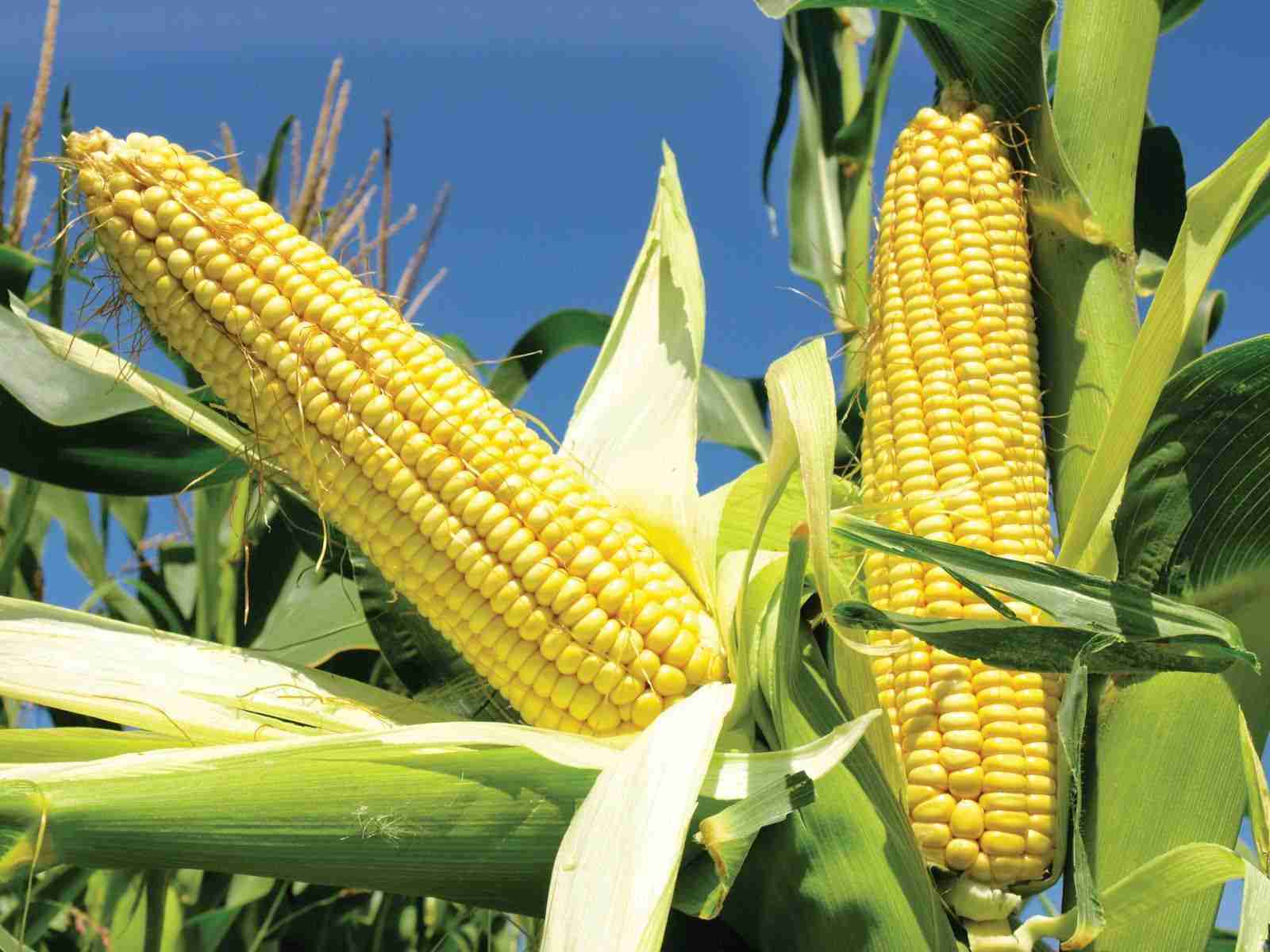
Understanding Corn Varieties and Their Unique Processing Needs
When diving into the realm of corn varieties, it’s essential to recognize the multitude of options available, each with its unique characteristics and processing requirements. Dent corn, known for its high starch content, is primarily used for animal feed and industrial purposes, while flint corn, with its harder kernel, is favored for products like cornmeal and polenta. Another notable variety is sweet corn, cherished for its delightful sweetness and tenderness, making it the star of many culinary dishes. The differences in their kernel structure and composition dictate not only how they can be processed but also their suitability for various end products.
Processing corn effectively requires an understanding of the physical and chemical traits inherent in each variety. For instance, while dent corn thrives under dry milling processes to produce flour, flint corn often requires a more extended cooking process to enhance its digestibility before being enjoyed in traditional recipes. On the other hand, sweet corn, which is usually consumed fresh, needs to be harvested at a specific stage for maximum sweetness before undergoing quick freezing or canning to preserve its flavor. The diverse relationship between corn varieties and their processing methods underscores the importance of selecting the right type for each application, ensuring not just efficiency but also quality in the final products.

The Role of Technology in Enhancing Corn Processing Efficiency
In the intricate world of corn processing, technology acts as a transformative agent, significantly enhancing efficiency and productivity. Modern machinery equipped with advanced sensors and AI-driven algorithms can monitor and optimize every stage of processing, from harvesting to milling. For instance, precision farming technologies allow farmers to apply fertilizers and pesticides more accurately, reducing waste and ensuring healthier harvests. These innovations extend to processing facilities where automated systems streamline operations, minimizing human error and maximizing output. Additionally, data analytics plays a crucial role in predicting trends and making informed decisions about logistics and inventory management.
The integration of technology not only boosts efficiency but also promotes sustainability within the industry. By employing biotech solutions, processors can enhance corn varieties for higher yields while using fewer resources. The advent of smart grids allows for better energy management, reducing the carbon footprint during processing. Moreover, employing bioprocessing techniques enables the conversion of corn byproducts into valuable biofuels and bioplastics, thus creating a circular economy within the sector. As corn processors embrace these innovations, they pave the way for a more efficient, sustainable, and profitable future.
Nutritional Considerations in Corn Processing Techniques
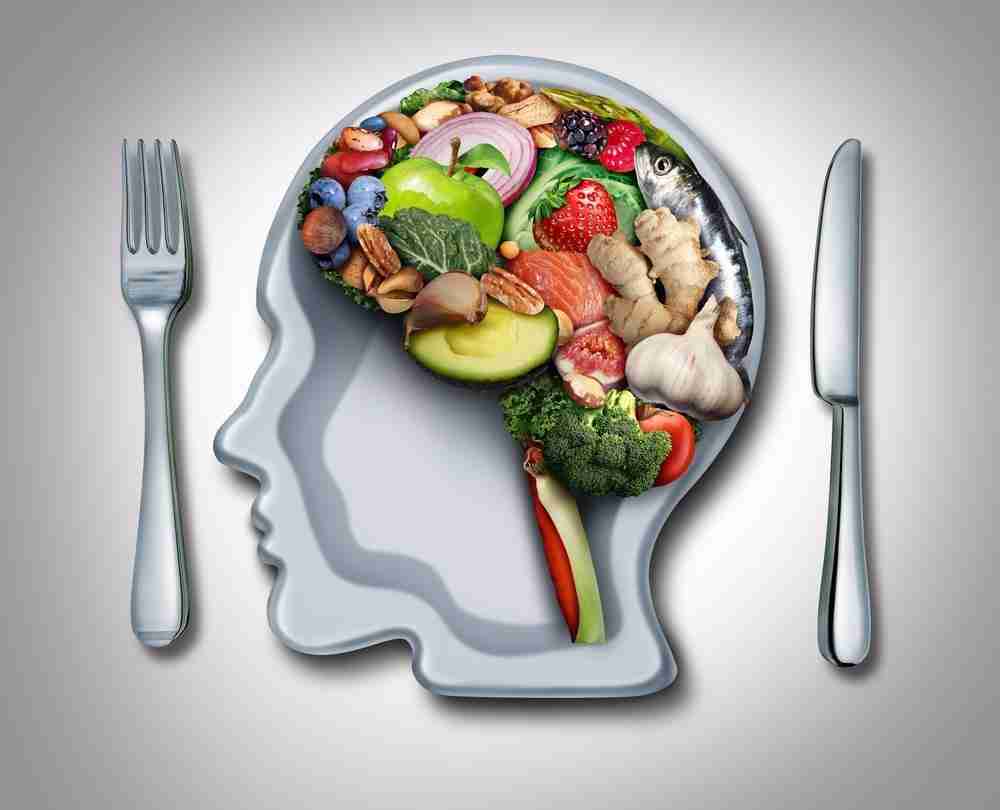
Corn processing encompasses a variety of techniques, each impacting the nutritional profile of the final products. While methods such as grinding, soaking, and nixtamalization enhance digestibility and nutrient bioavailability, they can also affect the natural composition of the grain. For instance, nixtamalization, a traditional process often used to prepare corn for tortillas, increases the availability of essential nutrients like calcium while also promoting the production of amino acids, making it a more complete protein source. However, improper processing can lead to nutrient loss, affecting vitamins such as B6 and C, which are vulnerable to heat and oxidative reactions during processing.
Moreover, the choice of processing method influences the levels of naturally occurring compounds like phytates and fiber. While conventional milling may remove the bran, thereby reducing fiber content, newer techniques aim to preserve these beneficial components. Incorporating whole grain processing options can help retain valuable nutrients and support better gut health. To illustrate the impact of various corn processing techniques on nutritional value, consider the following table:
| Processing Method | Nutritional Impact |
|---|---|
| Dry Milling | Lower fiber and micronutrient retention |
| Wet Milling | Greater concentration of starch; reduced protein |
| Nixtamalization | Enhanced nutrient availability and flavor |

Sustainable Practices in Corn Processing for a Greener Future
In the quest for a sustainable food system, corn processing plays a pivotal role in reducing environmental footprints and fostering eco-friendly practices. By prioritizing water conservation, soil health, and energy efficiency, processors are adopting innovative methods that harmonize with nature. Some key practices include:
- Water Recycling: Implementing closed-loop systems to recycle water reduces dependency on freshwater resources.
- Use of By-products: Transforming corn by-products into animal feed, biofuels, or biodegradable materials minimizes waste significantly.
- Renewable Energy: Utilizing solar panels or wind turbines to power processing facilities drastically cuts greenhouse gas emissions.
Moreover, technology is at the forefront of sustainable corn processing. Advanced techniques such as precision agriculture and biotechnological innovations enhance crop yields while preserving environmental integrity. These methods contribute to a circular economy, where every part of the corn is valued and utilized expertly. Below is a brief overview of emerging technologies in corn processing:
| Technology | Description |
|---|---|
| Smart Irrigation | Systems that optimize water usage based on real-time data. |
| Biodegradable Packaging | Using corn-based materials to create eco-friendly packaging solutions. |
| Carbon Capture | Technology that captures CO2 emissions during processing. |
Closing Remarks
As we draw the curtain on our exploration of corn processing, we find ourselves at the intersection of tradition and innovation. This multifaceted journey reveals how a humble grain transcends its agricultural roots to become an integral player in our culinary, industrial, and nutritional landscapes. The art lies in the age-old practices that honor its heritage, while the science unveils the sophisticated methods that enhance its value and versatility.
In understanding corn processing, we appreciate not just the intricate techniques employed but also the cultural narratives woven into each kernel. Whether it’s the sweet aroma of freshly baked cornbread or the myriad products derived from this staple, corn continues to be a source of creativity and sustenance.
As we leave this topic, let us celebrate the journey of corn from field to fork, recognizing the skillful hands and innovative minds dedicated to maximizing its potential. In the symbiotic relationship between art and science, corn stands as a testament to human ingenuity, bridging gaps between generations and disciplines. As we savor our next bite of corn-based delights, may we carry with us the knowledge of the meticulous processes that brought them to our plates, reminding us that every meal tells a story worth unpacking.



