
Unlocking the Secrets of Paddy Processing: A Journey Through Grains
In the heart of lush green fields, where the golden sun dances upon the swaying stalks of rice, a remarkable transformation unfolds. This is the world of paddy processing—a meticulous art that turns humble grains into a staple food cherished by cultures around the globe. While the journey from field to plate may seem straightforward, a deeper exploration reveals a complex symphony of techniques, traditions, and technologies that play a vital role in ensuring the rice we savor is both nutritious and delicious. This article invites you to embark on a journey through the intricate stages of paddy processing, revealing the secrets behind each step, the science that underpins it, and the stories of the people who dedicate their lives to this vital industry. Whether you’re a culinary enthusiast, an avid learner, or simply curious about the food on your plate, join us as we unlock the fascinating secrets of paddy processing and discover the grains that connect us all.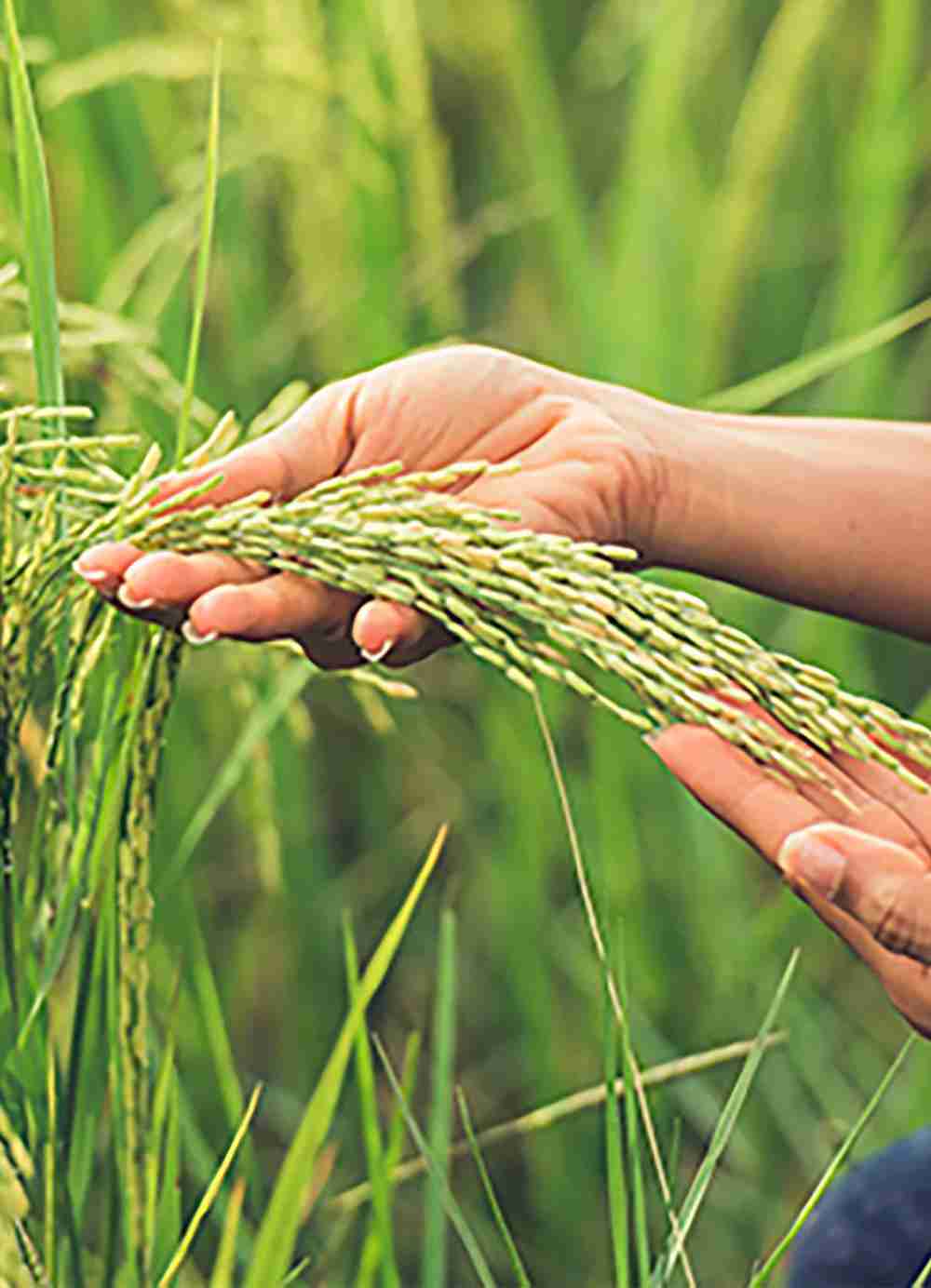
Understanding the Paddy Lifecycle from Field to Mill
The journey of paddy—from the moment it is sown in the fields to when it arrives at the mill—is a meticulous process that fascinates agricultural enthusiasts and food industry experts alike. It all starts with the seedling stage, where seedlings are raised in nurseries before being transplanted to flooded paddies. As the sun warms the fields, plants grow rapidly, entering the tillering stage, where they develop multiple stems. With the right balance of water, nutrients, and sunlight, these plants mature through the booting stage and eventually go into flowering, known as panicle emergence. This critical phase sees the development of grain spikes, where grains form and fill up in the husks, setting the stage for harvest.
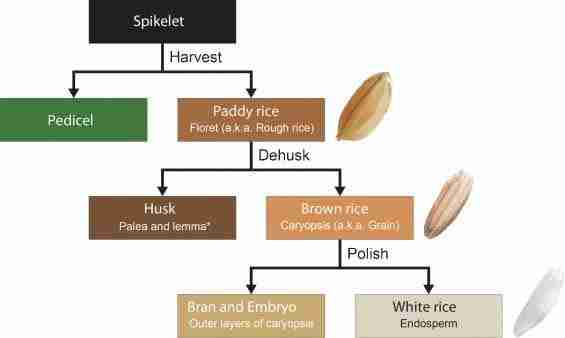
The harvest marks a thrilling transition in the paddy lifecycle. Once the grains reach maturity, they are carefully harvested, often using combines that strip the grain from the stalks. After gathering, the paddy must undergo a series of steps in processing to transform raw grains into edible forms. This includes drying to reduce moisture content, followed by dehusking to separate the husk from the grain. the refined grains move to the milling phase, where they are polished and packaged. Each stage is crucial for ensuring that the final product not only meets quality standards but also retains its nutritional value, making this journey a beautiful synergy of nature and human craftsmanship.
| Lifecycle Stage | Main Activity |
|---|---|
| Seedling Stage | Raising seedlings in nurseries |
| Tillering Stage | Development of multiple stems |
| Booting Stage | Maturation of the plant |
| Harvesting | Gathering of mature grains |
| Processing | Drying, dehusking, and milling |
Exploring Innovative Techniques in Paddy Processing
In the realm of rice cultivation, innovation is key to enhancing both quality and efficiency. Today, advanced techniques such as parboiling, dehusking, and grading are revolutionizing the way we approach paddy processing. Parboiling, for instance, not only increases nutritional value but also reduces cooking time, making rice more appealing to consumers. The following methods illustrate how modern technology is reshaping this traditional industry:
- Infrared Drying: A cutting-edge technique that ensures uniform drying and preserves the rice’s nutritional integrity.
- Laser Sorting: Utilizing precision technology to eliminate impurities and enhance the grade of the final product.
- Eco-friendly Milling: Systems that reduce waste and energy consumption, promoting sustainable practices in rice processing.
Furthermore, the integration of data analytics and IoT in paddy processing is transforming operational efficiency. By harnessing real-time data, farmers and processors can optimize various stages from harvest to packaging. For example, tracking moisture levels during storage can prevent spoilage and ensure quality. The following table summarizes some innovative technologies currently enhancing paddy processing:
| Technology | Benefits |
|---|---|
| Husk Biomass Utilization | Contributes to renewable energy sources |
| Automated Milling Systems | Increases efficiency and consistency in production |
| Smart Packaging | Enhances shelf life and reduces spoilage |
Nutritional Benefits and Culinary Uses of Processed Rice
Processed rice is a culinary staple that offers an impressive array of nutritional benefits, transforming mere grains into a powerhouse of energy and essential nutrients. Rich in carbohydrates, it serves as an excellent source of fuel for the body, making it an ideal food for athletes and anyone seeking sustained energy levels. Beyond its carbohydrate content, processed rice can also provide valuable nutrients, including proteins, fibers, and micronutrients such as B vitamins and iron, particularly when fortified. The transformation process—from paddy to polished grains—also has the potential to retain beneficial compounds, enhancing their nutritional profile wherever possible.
The versatility of processed rice in the kitchen is unmatched, lending itself to a myriad of culinary applications. From savory dishes to delectable desserts, this grain offers countless possibilities, whether as a base for stir-fries or a comforting bowl of risotto. Its ability to absorb flavors makes it an ideal companion for spices and sauces, while its neutrality allows it to shine in an array of cuisines, from Asian to Mediterranean. Embracing processed rice in daily meals not only promotes good health but also invites creativity into the kitchen as chefs and home cooks alike experiment with textures and tastes.
| Nutritional Component | Benefits |
|---|---|
| Carbohydrates | Primary source of energy |
| Protein | Supports muscle growth and repair |
| B Vitamins | Essential for metabolism |
| Iron | Important for blood health |
| Fiber | Aids digestion and promotes fullness |
Sustainable Practices for Efficient Paddy Production and Processing
In the quest for enhancing paddy production while safeguarding the environment, farmers are increasingly adopting innovative techniques that promote sustainability. Crop rotation and intercropping are among the most effective methods that not only improve soil health but also reduce pest infestation. These practices allow for a diverse ecosystem where beneficial insects can thrive, safeguarding crops without the heavy reliance on chemical pesticides. Additionally, integrated pest management (IPM) emphasizes the use of natural predators and environmentally-friendly pesticides, creating a balance that enriches the farmland instead of depleting it.
Furthermore, water management plays a crucial role in sustainable rice cultivation. Techniques such as Alternate Wetting and Drying (AWD) help in conserving water by allowing the soil to dry periodically, thus reducing methane emissions emanating from flooded fields. Alongside, the implementation of organic fertilizers fosters a more robust nutrient cycle while minimizing the adverse environmental impacts associated with synthetic options. To ensure these practices are effectively utilized, farmers can benefit from educational programs that focus on sustainable methods, empowering them to transform traditional farming approaches into modern, eco-friendly practices. Below is a brief overview of the benefits of sustainable practices:
| Sustainable Practice | Benefit |
|---|---|
| Crop Rotation | Diversifies crops, reduces pests |
| AWD | Conserves water, lowers emissions |
| IPM | Utilizes natural pest control solutions |
| Organic Fertilizers | Enhances soil health, reduces chemical usage |
Future Outlook
As we draw the curtain on our exploration of paddy processing, we find ourselves not just enlightened about the intricate steps that transform grain into staple, but also connected to the age-old traditions and innovative practices that sustain this vital industry. From the lush, green fields where the rice plants sway gently in the breeze to the bustling mills where the grains are polished and prepared, each phase of the journey reveals a story worth telling—one of careful craftsmanship and relentless dedication.
In unlocking the secrets of paddy processing, we’ve uncovered the significance of this humble grain that nourishes billions around the globe. The journey through grains is not merely about the mechanics of production; it’s also a celebration of culture, sustainability, and resilience. As we move forward into a world increasingly focused on food security and sustainable practices, let us carry with us the knowledge gleaned from this vibrant journey.
So, the next time you savor a bowl of rice, take a moment to appreciate the labor and love that brought it to your table. The secrets of paddy processing remind us that behind every grain lies a complex story of nature and nurture, waiting to be discovered. Thank you for joining us on this insightful voyage—may it inspire curiosity and respect for the grains that cultivate our existence.



