
In the lush embrace of fertile fields, where golden stalks sway gently in the breeze, lies a staple of sustenance that has nourished civilizations for millennia: maize. Revered for its versatility and resilience, maize isn’t just a crop; it is a cultural cornerstone that has shaped economies and diets around the globe. Yet, beyond its cultivation, there exists a fascinating world of transformation where this humble grain is milled into a myriad of forms, each playing a pivotal role in our daily lives. In “Transforming Harvests: The Art and Science of Maize Milling,” we delve into the intricate processes that elevate maize from field to flour. We will explore the blend of age-old traditions and cutting-edge technologies that define modern milling, revealing how this age-old craft continues to adapt, innovate, and feed the ever-evolving needs of a global society. Join us as we uncover the journey of maize, from harvest to table, illuminating the intricate artistry and scientific finesse that make maize milling both a necessity and a marvel.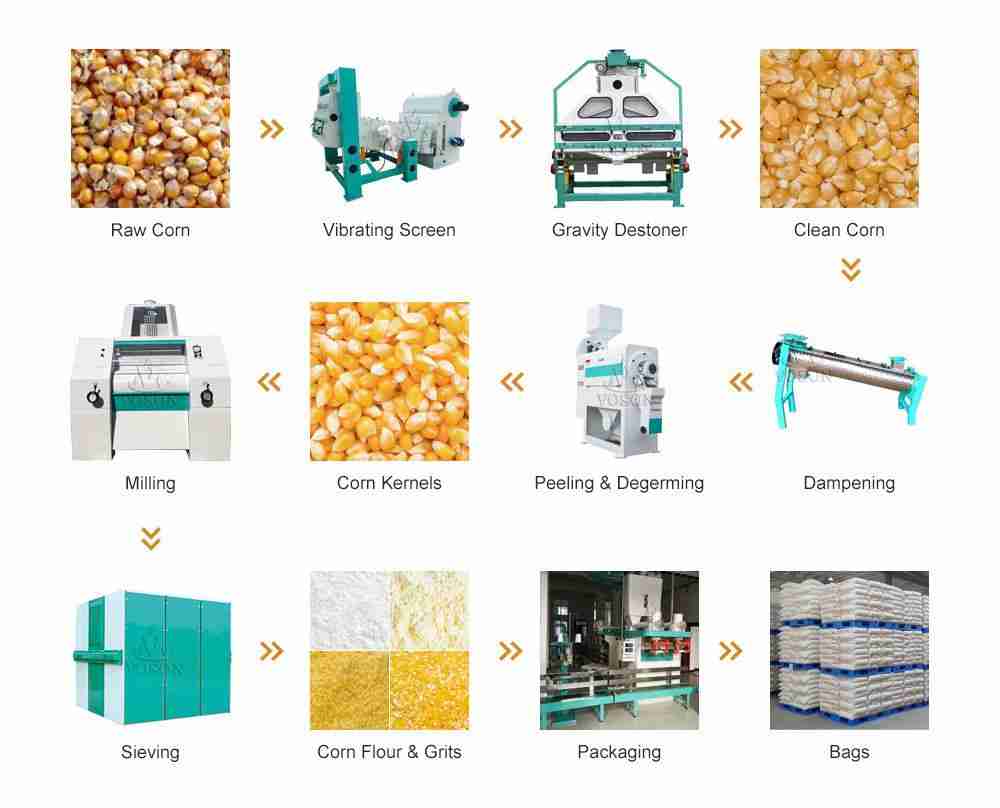
The Evolution of Maize Milling Techniques and Their Impact on Quality
The journey of maize milling has undergone significant transformations, evolving from primitive techniques to advanced methods that prioritize both efficiency and quality. Early milling processes, largely reliant on manual labor and basic tools such as mortar and pestle, limited the extraction of valuable components from maize. With the advent of technology, mills transitioned to more sophisticated machinery that incorporated mechanical grinding. This shift enabled millers to enhance the particle size distribution, thereby improving the overall texture and quality of maize flour. Today’s state-of-the-art milling techniques utilize precision equipment to optimize extraction rates and minimize loss of nutrients, enabling producers to craft flour that meets diverse culinary and nutritional needs.
The modern milling process can be broken down into several key stages, each contributing to the final quality of the product:
- Cleansing: Removal of impurities to ensure pure grain.
- Conditioning: Adjusting the moisture content for optimal milling.
- Milling: Grinding the maize into flour using roller mills or stone mills.
- Sieving: Separating finer flour from coarser particles.
- Fortification: Adding essential vitamins and minerals to enhance nutritional value.
| Technique | Benefits | Challenges |
|---|---|---|
| Traditional | Authentic flavor | Labor-intensive |
| Modern | Enhanced efficiency | Cost of technology |
| Hybrid | Balanced approach | Complex maintenance |
As the industry adapts to consumer preferences for healthier and more sustainable food options, the focus on quality continues to shape the evolution of milling techniques. Innovations such as the integration of digital technologies and real-time monitoring systems promise unprecedented control over the milling process, allowing millers to ensure consistency and quality at every stage. This transformation exemplifies how the art and science of maize milling are interwoven, as producers aim not only to meet demand but also to embrace the responsibility of delivering superior products that nourish communities around the globe.
Nutritional Enhancement: Maximizing the Benefits of Milled Maize
Unlocking the nutritional potential of milled maize requires a nuanced understanding of its components and their health benefits. Whole maize kernels are rich in essential nutrients, including carbohydrates, fiber, vitamins, and minerals. However, the milling process must be carefully managed to retain these valuable nutrients. By utilizing stone mills or other traditional milling techniques, producers can minimize heat generation and preserve the grain’s natural properties. This art of milling not only enhances the flavor and texture of the final product but also ensures a greater retention of nutrients like B vitamins, magnesium, and antioxidants.
To further maximize the benefits of milled maize, it can be beneficial to combine it with other nutrient-dense ingredients. Consider incorporating milled maize into recipes alongside items such as:
- Legumes: Boosts protein content
- Nuts and Seeds: Adds healthy fats and texture
- Vegetables: Increases vitamins and minerals
Moreover, by implementing fortification techniques, such as adding iron or folic acid, the nutritional profile can be enhanced even further. The strategic blending of milled maize with these components not only results in a more balanced diet but also presents diverse culinary opportunities. Below is a quick comparison of the nutritional benefits:
| Nutrient | Milled Maize (per 100g) | Fortified Product (per 100g) |
|---|---|---|
| Calories | 365 | 365 |
| Protein | 9g | 12g |
| Fiber | 7g | 5g |
| Iron | 0.52mg | 4.5mg |
| Folic Acid | 19µg | 200µg |

Sustainable Practices in Maize Milling for Environmental Stewardship
As the demand for maize continues to rise globally, innovative sustainable practices in milling have become essential in reducing environmental impact. Modern milling facilities are turning toward renewable energy sources, such as solar and wind power, to decrease reliance on fossil fuels. This shift not only minimizes the carbon footprint but also enhances the efficiency of operations. Additionally, water conservation methods, such as rainwater harvesting and recycling wastewater for facility use, are gaining popularity. These practices ensure that the milling process is both eco-friendly and resource-efficient.
Moreover, the adoption of biodegradable packaging and waste reduction strategies are playing a crucial role in promoting sustainability within the maize milling industry. By implementing practices like:
- Utilizing by-products such as husks and stalks for animal feed or bioenergy production
- Implementing zero-waste policies to transform waste into useful resources
- Collaborating with local farmers to ensure sustainable sourcing of maize
these initiatives not only enhance operational efficiency but also foster environmental stewardship. The transformation of maize milling into a greener enterprise exemplifies how tradition and innovation can coalesce to safeguard our planet’s resources for future generations.
| Sustainable Practice | Environmental Benefit |
|---|---|
| Renewable Energy Adoption | Reduces carbon emissions |
| Water Conservation | Minimizes water waste |
| Biodegradable Packaging | Decreases plastic pollution |
| Waste Utilization | Enhances resource efficiency |
| Local Sourcing | Supports community agriculture |
Innovative Technologies Shaping the Future of Maize Processing
As the demand for maize continues to surge globally, innovative technologies are crucial in enhancing the efficiency and quality of maize processing. Advancements in artificial intelligence and machine learning are paving the way for a new era of precision milling. Integrating these technologies allows processors to analyze grain quality in real-time, ensuring the selection of the best maize for milling. Moreover, automation in milling equipment not only speeds up production but also reduces waste, resulting in a more sustainable processing environment. Here are some key technologies transforming maize milling:
- Smart Sensors: Used for real-time monitoring of moisture levels and kernel quality.
- Robotic Process Automation: Streamlining operational workflows and minimizing human error.
- Blockchain Technology: Enhancing traceability and transparency in supply chains.
- Energy-Efficient Machinery: Reducing the carbon footprint associated with maize processing.
Additionally, the role of biotechnology cannot be overlooked, as it offers novel methods to enhance the nutritional profile of maize. This includes the development of genetically modified varieties that are more resistant to pests and diseases, thereby increasing yield per hectare. More importantly, advancements in processing techniques, such as dry milling and wet milling, enable a higher recovery rate of valuable components like starch, protein, and gluten. The following table highlights the benefits of these processing methods:
| Processing Method | Benefits |
|---|---|
| Dry Milling | Higher yield of cornmeal, easier storage |
| Wet Milling | Better separation of components, higher quality starch |
Wrapping Up
the journey of maize from field to plate is a fascinating interplay of tradition and innovation, artistry and science. The transformation of this humble grain into a staple ingredient in countless cuisines around the world showcases not only the relentless ingenuity of millers but also the deep cultural roots embedded in maize itself. As we continue to evolve our milling techniques, embracing sustainability and technological advancements, we remain committed to honoring the past while feeding the future.
In a world where food security and quality are paramount, understanding the intricacies of maize milling enables us to appreciate the labor and craft that go into our daily sustenance. Whether it’s the rhythmic hum of a mill or the warm aroma of freshly ground flour, the art of milling maize embodies a rich tapestry of heritage, community, and continuous exploration. Thus, we invite you to celebrate this transformative journey—the simple yet profound act of milling maize that nourishes both body and spirit. As we look ahead, may we continue to cultivate a deeper connection to our food and those who bring it to our tables.



