
In a world where food security and sustainability intersect, the humble maize grain emerges as a powerhouse of potential, both in its nutritional value and economic significance. “Unlocking Grain Potential: The Art and Science of Maize Milling” invites readers on a journey through the intricate process of maize milling—where traditional craftsmanship meets modern technological advancements. From the golden fields where maize is cultivated to the bustling mills that transform these kernels into versatile flour and products, this exploration delves into the meticulous art and underlying science that drive an industry pivotal to global food systems. Join us as we uncover the techniques, innovations, and challenges that shape the milling of maize, revealing not just a process but a key to unlocking greater possibilities for communities and markets worldwide.
Exploring the Grain Spectrum: Understanding the Varieties of Maize
Maize, often referred to as corn, embodies a remarkable array of varieties that cater to diverse uses and culinary applications. At its core, different types of maize are categorized primarily by their kernel structure and starch composition, leading to distinct textures and flavors. Some prominent varieties include:
- Sweet Corn: Known for its juicy, tender kernels, ideal for fresh consumption and culinary delights.
- Field Corn: Primarily used for animal feed and processed products, it boasts a larger kernel and tougher texture.
- Flint Corn: Exceptionally hard and colorful, this variety is often favored for decorative purposes and certain culinary applications.
- Dent Corn: Characterized by its characteristic dent on the crown, it serves as a staple in the production of cornmeal and syrup.
Delving deeper into the subject, the composition of each maize type affects not only its milling properties but also its nutritional profile and suitability for various industries. When processing maize, milling techniques must be adjusted according to the grain’s unique attributes. A comparative overview of these varieties can illuminate their distinct qualities and implications for consumption:
| Maize Type | Primary Feature | Common Uses |
|---|---|---|
| Sweet Corn | High sugar content | Fresh eating, salads |
| Field Corn | Durable kernels | Animal feed, corn syrup |
| Flint Corn | Hard, colorful | Decorative, polenta |
| Dent Corn | Dent on the top | Cornmeal, livestock feed |

Precision in Processing: The Essential Techniques of Milling
The milling process transforms whole maize kernels into finely processed flours and meals, which requires a meticulous approach to ensure optimum quality and nutritional retention. Key techniques employed in this process revolve around precision grind settings, controlled moisture levels, and the careful selection of machinery. Each step in the milling operation acts as a conductor in orchestrating the perfect balance between efficiency and product integrity. Among these techniques, the use of roller mills and grinders allows for tailored particle sizes, which are crucial in meeting diverse consumer demands. Furthermore, implementing sifting and classification methods ensures that the final product meets specific industry standards for texture and consistency.
In addition to the machinery itself, the environmental conditions under which milling occurs can significantly impact the finished product. Maintaining consistent humidity levels throughout the processing stages prevents unnecessary moisture absorption or loss, which could alter the effectiveness of the milling operation. Regular monitoring and adjustments are essential in this regard. The integration of advanced data-driven technologies into milling operations further enhances precision, allowing producers to predict and adjust for variations in grain quality. Such innovations not only refine operational efficiency but also empower millers to maximize the potential of each batch of maize processed, thereby elevating their product offerings in a competitive marketplace.
Nutritional Valuation: Enhancing the Benefits of Milled Maize
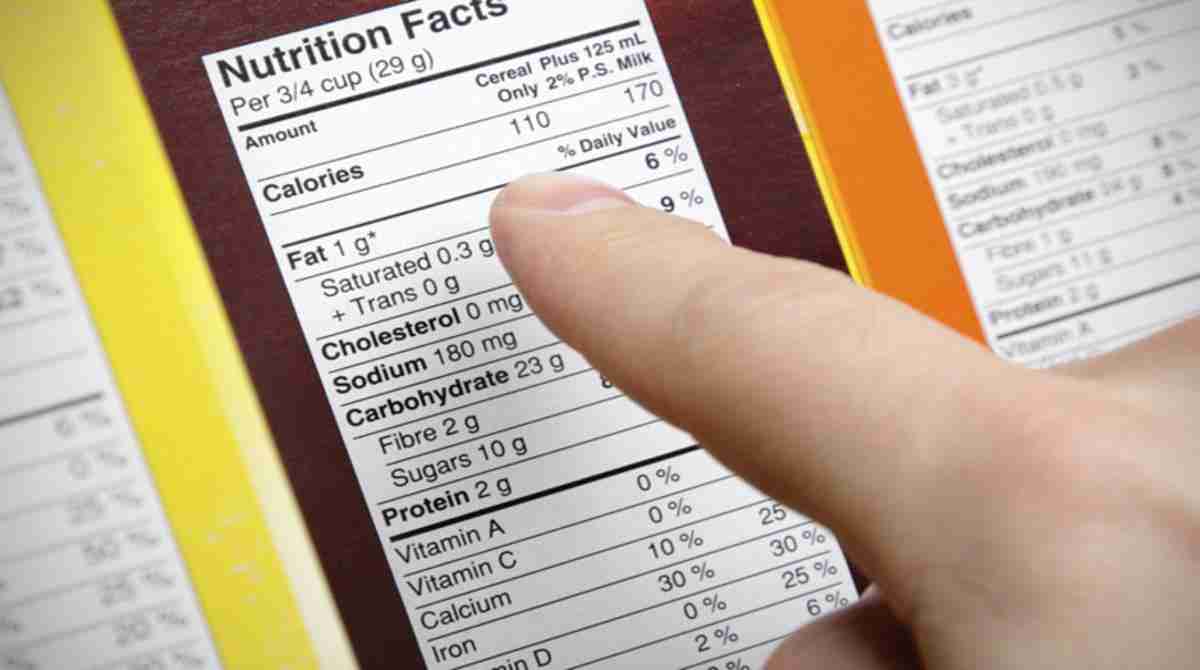
The transformation of maize into milled products not only enhances its culinary versatility but also significantly boosts its nutritional profile. Milled maize, often available in various forms such as cornmeal and maize flour, offers a wealth of essential nutrients. These include:
- Carbohydrates: A primary energy source that fuels daily activities.
- Fiber: Supports digestion and contributes to heart health.
- Vitamins: Rich in B vitamins, which are crucial for energy metabolism.
- Minerals: Provides essential minerals like magnesium and phosphorus for bone health.
By milling maize, it becomes more digestible, making the nutrients more bioavailable to the body. Furthermore, the milling process can be tailored to retain the germ and bran, leading to enhanced health benefits. Additionally, consider incorporating milled maize into various dishes to diversify one’s diet. Here’s a quick look at how different milled maize products compare nutritionally:
| Product | Calories per 100g | Fiber (g) | Protein (g) |
|---|---|---|---|
| Cornmeal | 365 | 7.3 | 9.4 |
| Maize Flour | 364 | 3.9 | 8.5 |
| Polenta | 70 | 1.5 | 1.6 |

Sustainable Practices: Innovations in the Maize Milling Industry
In recent years, the maize milling industry has embraced a wave of sustainable practices aimed at minimizing environmental impact while maximizing efficiency. Innovations in this sector have focused on energy conservation, waste reduction, and the optimal use of resources. Some notable examples include:
- Energy-efficient milling equipment: Many manufacturers are now utilizing state-of-the-art milling machines that consume significantly less energy compared to their predecessors, thereby lowering carbon footprints.
- Water reclamation systems: New technologies are enabling mills to recycle water used in the milling process, which not only conserves this vital resource but also reduces operational costs.
- Byproduct valorization: Mills are increasingly finding innovative ways to turn byproducts, like corn husks and bran, into valuable products such as animal feed or biofuels.
Moreover, the shift towards sustainable sourcing of maize has transformed supply chain practices. Partnerships with local farmers who adopt organic farming methods not only promote biodiversity but also enhance the quality of maize. A recent study presented in the table below illustrates the positive economic impact of incorporating sustainable practices in leading maize milling companies:
| Company | Annual Income Increase | Sustainability Index |
|---|---|---|
| Maize Innovations Corp | $500,000 | 85% |
| Green Grains Ltd | $750,000 | 90% |
| EcoMilling Solutions | $300,000 | 80% |
This fusion of environmental stewardship and economic viability not only enhances product offerings but also empowers communities by ensuring that the benefits of sustainable practices are shared across the supply chain. As the maize milling industry continues to innovate, it sets a precedent for other agricultural sectors, demonstrating that sustainability is not just an option but a pathway to future growth.
The Way Forward
As we draw the curtain on our exploration of maize milling—a harmonious blend of artistry and scientific precision—it becomes clear that this age-old practice is anything but simple. From the golden fields where maize flourishes to the humming machinery of modern mills, each step in the process unlocks a world of potential, turning humble kernels into vital ingredients that nourish communities worldwide.
The intricate dance between tradition and innovation ensures that maize milling remains a cornerstone of agriculture and industry alike. By delving into the nuances of milling techniques, we uncover the secrets that elevate maize from crop to culinary delight, enriching our diets and economies in the process.
As we embrace the future of food production, the importance of sustainable practices in maize milling cannot be overstated. By optimizing resources and minimizing waste, we safeguard the environment while meeting the demands of a growing population. The journey of maize, from field to flour, is a testament to human ingenuity—a reminder that even the most straightforward processes can hold profound significance.
unlocking grain potential is not merely about the yield; it’s about connecting the threads of culture, technology, and sustainability, weaving together a tapestry that feeds both body and spirit. As we continue to push the boundaries of what is possible in maize milling, we invite you to be part of this ongoing narrative—one where every kernel counts.



