
Revolutionizing Agriculture: The 4 Ton rice mill plant
In the heart of the agricultural landscape, where tradition meets innovation, a transformative force is reshaping the way we cultivate and process one of the world’s most vital staple crops: rice. The emergence of the 4 Ton rice mill plant marks a significant leap forward in agricultural technology, promising to enhance efficiency, boost productivity, and empower farmers across the globe. This powerful machinery not only elevates the quality of the grain but also optimizes the entire milling process, paving the way for a more sustainable and profitable future in rice production. As we delve deeper into the mechanics and benefits of this groundbreaking development, we explore its potential to revolutionize agriculture, creating new opportunities for farmers and transforming the livelihoods of communities that depend on this essential crop. Join us on this journey as we unravel the intricacies of the 4 Ton Rice Mill Plant and its role in shaping the future of food security.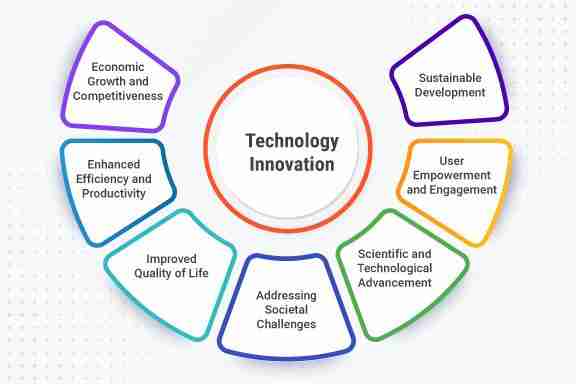
Innovative Technologies Shaping Modern Rice Milling Operations
The landscape of rice milling operations has undergone a profound transformation, driven by advancements that enhance efficiency and sustainability. Automated milling systems have integrated cutting-edge sensors and artificial intelligence, enabling real-time monitoring of grain quality and milling parameters. This technology not only optimizes the milling process but also minimizes energy consumption, ensuring a more eco-friendly operation. Some key innovative technologies in modern rice milling include:
- Optical Sorting Machines – These devices use high-resolution cameras and imaging technology to sort grains by quality, size, and color, ensuring only the best grains are processed.
- Smart Control Systems – Automated systems allow operators to manage milling parameters digitally, contributing to consistent quality and reducing human error.
- Energy-Efficient Machines – New designs that consume less power during milling, producing significant cost savings and a lower carbon footprint.
Furthermore, the use of IoT (Internet of Things) devices has begun to revolutionize the monitoring and management of rice mills. By creating interconnected networks, operators can collect and analyze data on machine performance and product quality to prevent downtime and optimize production schedules. As rice milling operations adapt to these innovative technologies, they are not only enhancing their productivity but also paving the way for a new era of sustainable agricultural practices. Below is a simple comparison of traditional versus modern milling operations:
| Aspect | Traditional Milling | Modern Milling |
|---|---|---|
| Efficiency | Lower | Higher |
| Energy Consumption | High | Low |
| Quality Control | Manual | Automated |
| Environmental Impact | Significant | Minimal |

Sustainable Practices in the 4 Ton rice mill plant
In the heart of agricultural innovation, the integration of sustainable practices within the 4 Ton rice mill plant exemplifies a commitment to environmental stewardship and economic efficiency. By harnessing renewable energy sources such as solar and wind, the mill significantly reduces its carbon footprint. The implementation of energy-efficient machinery not only conserves energy but also minimizes wasted resources, setting a new standard for rice processing. Additionally, the plant utilizes a closed-loop water system that recycles water used in milling, ensuring that this precious resource is conserved and repurposed effectively.
Moreover, the commitment to sustainability extends to waste management and community engagement. The mill prioritizes the use of biodegradable packaging and composts organic waste materials, thereby reducing landfill contributions. Emphasizing local sourcing, the plant supports nearby farmers by purchasing rice directly from them, cultivating a stronger local economy. To further enhance transparency and education, the plant hosts workshops, promoting awareness around sustainable farming and processing methods. This proactive approach not only fosters a sustainable agricultural ecosystem but also inspires other agricultural sectors to adopt similar practices.
Economic Impact of Enhanced Processing Techniques
The implementation of advanced processing techniques at rice mill plants significantly influences local economies and agricultural landscapes. By allowing farmers to reduce post-harvest losses and increase overall efficiency, these methods not only streamline production but also enhance profitability for stakeholders. Innovations such as mechanized milling and improved drying technologies enable producers to deliver a higher-quality product, thus opening the door to premium markets where price margins are more favorable. Key economic benefits include:
- Increased income for farmers through improved market access
- Job creation in operational areas due to higher demand for skilled labor
- Enhanced rural development resulting from reinvested income in local communities
The broader economic implications extend to regional and national scales as countries invest in modern milling facilities. By boosting production capacity and maintaining quality standards, nations can become competitive players in the global rice market. Furthermore, enhanced processing techniques contribute to food security and sustainability, ensuring that resources are utilized more effectively. Operational benefits observed may include:
| Benefit | Impact |
|---|---|
| Reduction in Waste | Lower disposal costs and environmental sustainability |
| Energy Efficiency | Reduced operational costs and carbon footprint |
| Higher Yield | Increased food availability and economic stability |
This convergence of agricultural efficiency and economic growth illustrates a compelling intersection that defines the future of rice processing.
Future Prospects for Small-Scale Rice Production and Milling
The landscape of small-scale rice production and milling is on the brink of a significant transformation. As technological innovations continue to emerge, farmers and millers who embrace these advancements can expect enhanced productivity and efficiency. The introduction of modernized milling techniques, such as the 4 Ton Rice Mill Plant, not only optimizes the milling process but also ensures higher quality rice while minimizing waste. This shift emphasizes the importance of investing in sustainable practices that make small-scale operations more viable and competitive in both local and global markets.
An important aspect of this evolution is the integration of educational resources and support systems for smallholder farmers. By equipping them with knowledge on best agricultural practices, crop management, and post-harvest processing, communities can improve their yield and quality of rice. Key considerations for the future include:
- Access to Financing: Low-interest loans and grants to invest in modern equipment.
- Training Programs: Workshops focusing on sustainable farming and efficient milling practices.
- Market Linkages: Establishing connections with buyers to ensure fair pricing and consistent demand.
Moreover, the potential for digital platforms to streamline operations cannot be overlooked. These platforms can help farmers track their production, manage their supply chains, and connect with consumers directly. A symbiotic relationship between technology and traditional practices will be crucial in enhancing the resilience of small-scale rice production. To further illustrate this impact, consider the following table showcasing projected outcomes of adopting modern milling technology:
| Outcome | Current State | With 4 Ton Rice Mill Plant |
|---|---|---|
| Average Yield (tons/ha) | 3.0 | 4.5 |
| Processing Time (hours) | 15 | 8 |
| Quality Grade (%) | 70 | 90 |
This convergence of improved technology and robust support systems not only bolsters local economies but also enhances food security in the region. As small-scale rice production and milling evolve, they hold the promise of a more sustainable future, ensuring farmers can thrive in a rapidly changing agricultural landscape.
In Retrospect
the 4 Ton Rice Mill Plant stands as a beacon of innovation in the realm of agriculture, offering a transformative solution for rice production. By integrating advanced technology and efficient processing techniques, this mill not only enhances the quality of rice but also supports sustainable farming practices. As we navigate the challenges of a growing global population and shifting food demands, embracing such revolutionary approaches becomes imperative. The potential of the 4 Ton Rice Mill Plant extends beyond mere productivity; it fosters economic growth, uplifts communities, and assures food security for future generations. As we look toward a more sustainable agricultural landscape, the possibilities are as vast as the fields themselves, inviting us all to partake in the journey of progress and resilience.



