
From Kernel to Nutrition: The Art and Science of Maize Milling
In the heart of a vibrant cornfield, golden ears sway gently in the breeze, their kernels brimming with potential. For countless communities around the world, maize is more than just a crop; it is a cornerstone of culinary tradition and nutritional sustenance. But have you ever paused to consider the journey each kernel embarks upon before it graces your table? From the meticulous cultivation of cornfields to the complex processes of milling, maize undergoes a transformative journey that is as much an art as it is a science. This article delves into the intricate world of maize milling, exploring the methods, technologies, and practices that turn raw kernels into versatile flour, meal, and other products. Join us as we uncover how careful milling not only preserves the nutritional integrity of maize but also celebrates its rich cultural significance, weaving together tradition and innovation in every grain.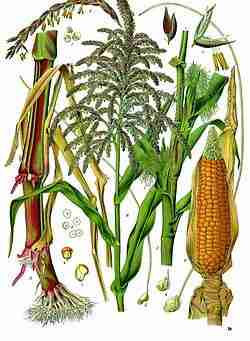
The Journey of Maize: Understanding the Evolution from Kernel to Flour
Understanding the journey from a simple kernel to versatile flour involves delving into the intricacies of maize milling—a blend of traditional craftsmanship and modern technology. At the heart of this process is the maize kernel, a small but mighty seed that undergoes a remarkable transformation. The milling process can be seen as an art form, drawing upon various techniques to optimize the grain, enhance flavors, and preserve nutritional value. Key factors that influence the outcome include:
- Moisture Content: Essential for ensuring that the kernels are neither too dry nor too moist, affecting the efficiency of milling.
- Kernel Variety: Different varieties of maize impart unique flavors and textures to the flour, influencing its culinary applications.
- Milling Techniques: Traditional stone milling versus modern roller milling presents a choice between artisanal quality and industrial efficiency.
As the kernel transforms, it is crucial to maintain its nutrient density. Nutritional aspects are paramount; the fine balance of preserving essential vitamins and minerals plays a significant role in the final product’s health benefits. Innovative methods have emerged to retain these nutrients, often employing a meticulous approach to processing and storage. Below is a table illustrating the basic nutritional components of maize flour compared to the whole kernel:
| Nutrient | Maize Kernel (per 100g) | Maize Flour (per 100g) |
|---|---|---|
| Calories | 365 | 364 |
| Protein | 9g | 8g |
| Fiber | 7g | 4g |
| Fat | 4.7g | 3.6g |
This understanding not only highlights the journey from kernel to flour but sheds light on the underlying scientific principles that ensure maize remains a staple ingredient worldwide, enriching diets with its diverse applications.
Techniques of Milling: Balancing Tradition with Modern Technology
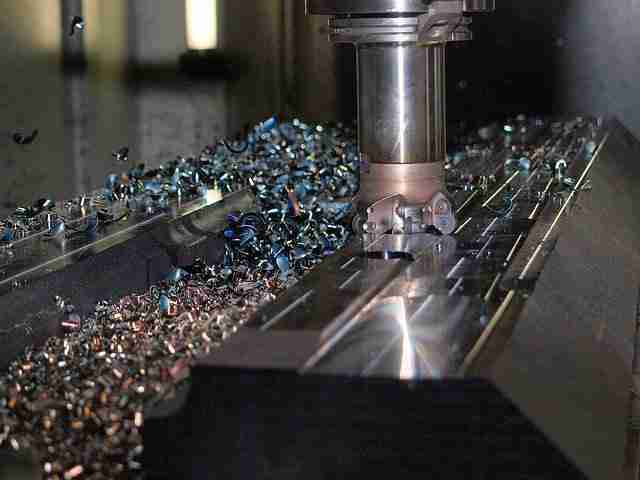
In the realm of maize milling, traditional methods are beautifully intertwined with modern technological advancements, creating a harmonious balance that honors the grain’s rich history and its nutritional potential. Traditional milling techniques often rely on stone mills, producing a coarser flour that retains the natural oils and flavor of the maize. This method not only respects the grain but also offers unique textures and tastes that are deeply rooted in cultural heritage. In contrast, contemporary milling embraces high-speed roller mills and advanced machinery that ensure efficiency and precision, greatly enhancing productivity while achieving fine textures. This blend of time-honored practices and state-of-the-art technology results in a versatile range of flour products suited for different culinary applications.
The technological innovations have also introduced methods aimed at improving the nutritional value of the milled product. Some of the advanced techniques include:
- Cold milling: Preserving heat-sensitive nutrients during the milling process.
- Micronization: Enhancing digestibility and absorption of nutrients.
- Fortification: Adding essential vitamins and minerals to the flour for improved health benefits.
As the milling landscape evolves, a commitment to sustainable practices has emerged, promoting the use of eco-friendly machinery that reduces energy consumption and waste. Such advancements not only elevate the milling process but also align with the growing demand for health-conscious products among consumers.
Nutritional Profiles Uncovered: Maximizing Health Benefits through Milling
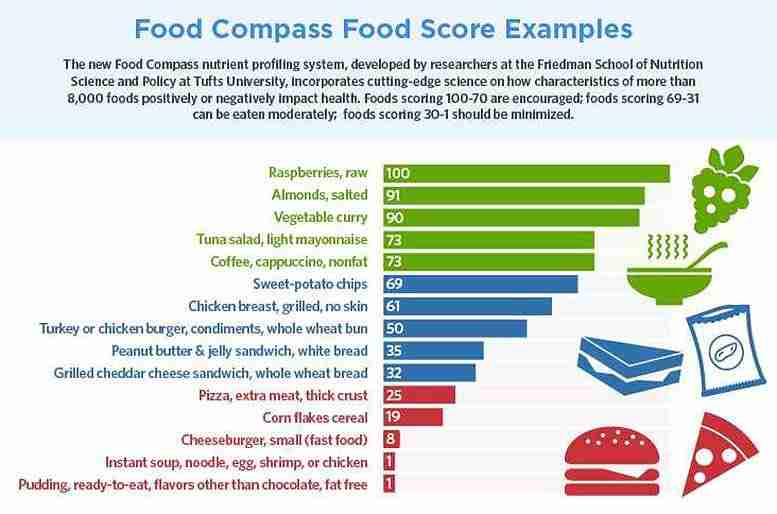
Understanding the nutritional profiles of maize begins with recognizing that the milling process plays a crucial role in preserving its health benefits. Through carefully controlled methods, various parts of the maize kernel can be retained or removed, affecting the nutrient content significantly. For instance, whole grain maize retains its bran and germ, which are rich in fiber, vitamins, and minerals. Conversely, refined maize products may lack these crucial nutrients, underscoring the importance of milling techniques in maximizing health benefits. By choosing stone-ground or minimally processed options, consumers can enjoy a higher intake of essential nutrients.
To highlight the impact of different milling techniques on maize’s nutritional composition, consider the following table that illustrates the nutrient retention in various maize products:
| Maize Product | Fiber Content | Key Vitamins | Minerals |
|---|---|---|---|
| Whole Grain Maize | High | Vitamin B6, Folate | Magnesium, Phosphorus |
| Stone-Ground Flour | Moderate | Thiamine, Niacin | Iron, Zinc |
| Refined Maize Flour | Low | Minimal | Minimal |
Utilizing the proper milling technique not only enhances flavor and texture but also boosts the bioavailability of nutrients. For example, the germ of the maize kernel contains natural oils that provide healthy fats and antioxidant properties; however, these benefits are often lost in the refining process. By understanding the art and science of milling, consumers are empowered to make informed decisions, opting for products that enhance their overall health while enjoying the wholesome benefits of maize.

Sustainable Practices in Maize Milling: Recommendations for a Greener Future
Embracing sustainable practices in maize milling not only fosters environmental stewardship but also enhances the overall efficiency of the milling process. Implementing energy-efficient machinery can significantly reduce the carbon footprint associated with milling operations. By upgrading to modern technologies, mills can achieve higher output with lower energy consumption. Additionally, utilizing renewable energy sources, such as solar or wind power, is a forward-thinking approach that can contribute to reduced resource dependence and operational costs.
Another key aspect of sustainable maize milling is waste management and by-product utilization. Rather than discarding milling by-products like husks and germ, mills can explore innovative uses such as animal feed or biofuel production. This not only minimizes waste but also opens new revenue streams. Furthermore, fostering partnerships with local farmers for sustainable sourcing of maize promotes a circular economy that benefits both producers and consumers. By prioritizing these strategies, the maize milling industry can play a crucial role in moving toward a more sustainable and resilient food system.
| Practice | Benefit |
|---|---|
| Energy-efficient Machinery | Reduces energy consumption and costs |
| Renewable Energy Sources | Minimizes carbon footprint |
| Waste Utilization | Generates additional revenue |
| Sustainable Sourcing | Promotes local economies |
Final Thoughts
As we draw the curtain on our exploration of maize milling, it becomes clear that this ancient art is as much about tradition as it is about innovation. From the humble kernel to the nourishing products that grace our tables, every step in the milling process is a delicate dance between craftsmanship and science. The history encapsulated in each grain reflects the stories of countless cultures, while modern techniques continue to evolve, meeting the demands of a rapidly changing world.
In recognizing the significance of maize milling, we embrace not only the sustenance it provides but also the cultural heritage it preserves. As we look to the future, the challenge remains to balance efficiency with quality and sustainability, ensuring that this vital resource continues to feed generations to come. By understanding and appreciating the intricate journey from kernel to nutrition, we can better celebrate the role maize plays in our diets and our lives. In every bite of cornbread, tortilla, or polenta lies a testament to the enduring legacy of maize, a reminder that even the simplest foods hold profound connections to our past and promise for the future.



