
In the realm of culinary arts, few grains have garnered as much reverence and versatility as rice. From the fragrant basmati to the sticky sushi varieties, each type carries with it a rich history and myriad uses. However, the journey from paddy to plate involves more than just harvesting and cooking; it hinges significantly on a crucial but often overlooked device: the rice polisher. As we peel back the layers of this modern essential, we uncover not only its mechanical intricacies but also its profound impact on flavor, texture, and nutritional content. Join us as we explore the art and science behind rice polishing, revealing how this innovative technology is revolutionizing our approach to one of the world’s most beloved staples.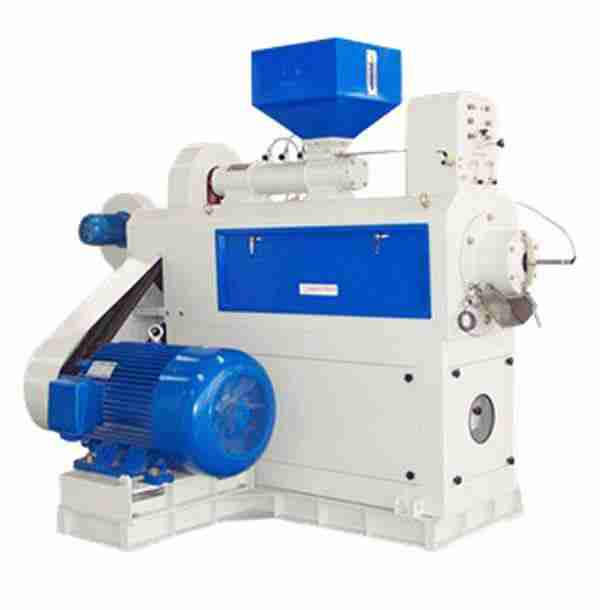
Understanding the Mechanics of Rice Polishers for Optimal Grains
Understanding the intricacies of rice polishers involves delving into their operational mechanisms and how they contribute to achieving the perfect grain quality. At the heart of a rice polisher’s design are several key components that work synergistically to remove husks and bran layers, enhancing the rice’s taste, texture, and nutritional value. The core parts include:
- Abrasive Discs: These are crucial for gently polishing the rice while preventing over-milling, which can adversely affect the grain.
- Feeding Mechanism: This controls the flow of rice into the polishing chamber, ensuring an even polishing effect and reducing breakage.
- Air Filtration System: By extracting fine bran particles, this system minimizes the risk of contamination and maintains high-quality output.
Efficient rice polishing not only improves the aesthetic appeal of grains but also enhances cooking qualities, which can lead to better meals. To achieve optimal performance from these machines, it’s essential to adhere to specific parameters such as:
| Parameter | Optimal Range |
|---|---|
| Moisture Content | 12% – 14% |
| Polishing Time | 10 - 20 minutes |
| Temperature | Below 55°C |
By mastering these operational dynamics, rice processors can ensure that they not only preserve the grain’s integrity but also elevate the culinary experience for consumers. The journey from harvested paddy to polished rice is a careful balancing act that, when done right, can yield superb results.
Benefits of Utilizing Rice Polishers in Contemporary Kitchens
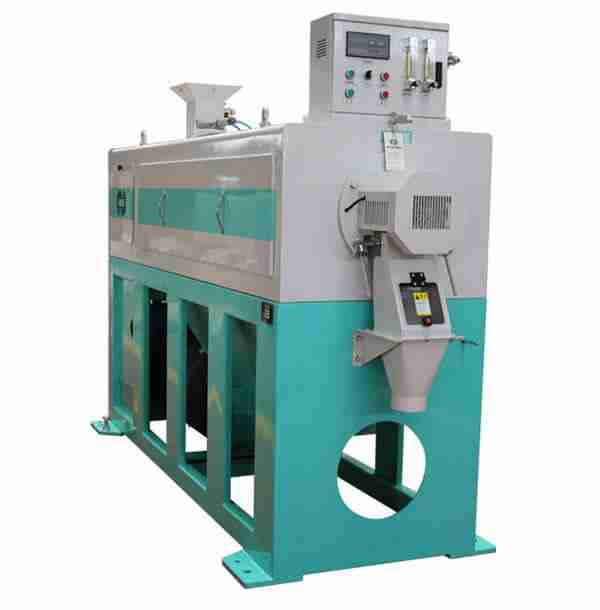
In the modern kitchen, efficiency and health often go hand in hand, and rice polishers emerge as a vital tool in achieving both. These compact devices have transformed the way home cooks and professional chefs prepare rice, streamlining the process while enhancing the nutritional value of this staple food. By using rice polishers, individuals can enjoy the benefits of quicker cooking times, the ability to customize grain texture, and reduced wastage, all of which lead to a more sustainable kitchen environment.
Furthermore, incorporating a rice polisher into your culinary regimen introduces a plethora of health advantages. Polished rice retains essential nutrients that may be lost during standard rinsing and cooking methods. With rice polishers, you not only get to enjoy the full spectrum of flavors offered by different rice types but also increase your dietary fiber intake and minimize excess starch consumption. Consider the table below highlighting how rice polishers improve the cooking experience:
| Feature | Benefit |
|---|---|
| Efficiency | Reduces cooking time and energy usage |
| Health | Retains important nutrients and enhances flavor |
| Versatility | Can process various types of grains |
| Sustainability | Lowers food waste and promotes mindful cooking |
Choosing the Right Rice Polisher: Key Features and Considerations
When selecting a rice polisher, it’s essential to consider a few key features that can significantly impact your cooking experience and the quality of your rice. Durability and build quality are paramount; look for models made of stainless steel or high-grade plastic that withstands regular use. Additionally, pay attention to capacity. For a family of four, a polisher with a capacity between 1 to 3 cups may suffice, while larger families or commercial use could benefit from options that handle upwards of 10 cups. User-friendliness is another important consideration. Models equipped with clearly labeled controls or digital interfaces can simplify your cooking tasks, especially for beginner cooks.
Moreover, the technique of polishing matters greatly. Opt for rice polishers that offer adjustable settings or different milling speeds, which allow precision based on the type of rice you are using. Some advanced models even come with built-in timers to ensure optimal polishing times. Also, consider the noise level during operation; quieter machines can enhance the cooking experience. Lastly, keep in mind the price and warranty options available, as these can affect long-term satisfaction. Here’s a quick comparison of features to guide your decision:
| Feature | Entry-Level | Mid-Range | High-End |
|---|---|---|---|
| Durability | Plastic | Metal/Plastic Combo | Stainless Steel |
| Capacity | 1-3 cups | 4-7 cups | 8+ cups |
| Noise Level | Moderate | Low | Very Low |
| Price Range | Under $50 | $50-$150 | $150+ |
Maintenance Tips to Enhance the Lifespan and Performance of Rice Polishers
To ensure your rice polisher operates at peak efficiency, regular maintenance is crucial. First, always keep the machine clean by removing any rice husks or residues after each use. A simple wipe down with a damp cloth, followed by a thorough drying, can prevent buildup that may hinder performance. Additionally, check the internal components periodically for wear and tear, as small issues can escalate into larger problems. It’s also advisable to maintain the power supply and cord—look for fraying or damage that could lead to electrical issues.
Furthermore, consider scheduling a deep cleaning at least once every few months. This process includes lubricating moving parts with appropriate oils and inspecting the motor for dust accumulation. You can also increase the lifespan of your rice polisher by following usage guidelines; avoid overloading the machine and give it breaks between uses. Lastly, keep the device in a cool, dry place to prevent moisture-related damage.
| Maintenance Task | Frequency |
|---|---|
| Clean external surfaces | After every use |
| Inspect internal components | Monthly |
| Deep clean and lubricate | Every 3 months |
| Store in a cool, dry place | Always |
Concluding Remarks
As we conclude our exploration of rice polishers, it’s clear that these humble machines are more than just culinary tools; they are gateways to a healthier, more flavorful experience. As kitchen staples evolve, understanding the nuances of rice polishing can help us appreciate the craftsmanship behind our meals. Embracing this modern essential allows us to reconnect with the grains we consume, enhancing not just the taste but also the nutritional profile of our food.
So, whether you’re a seasoned chef or a curious home cook, consider inviting a rice polisher into your kitchen arsenal. With the right technique and knowledge, you can unlock the full potential of rice, turning everyday grains into extraordinary dishes. The journey to culinary excellence often starts with the simplest of ingredients—who knew polishing them could unveil such a wealth of possibilities? As you embark on this culinary adventure, remember, each grain holds a story waiting to be told. Happy cooking!



