
In the heart of verdant rice paddies, where golden grains sway gently in the breeze, lies a transformative journey that begins long before the humble grain graces our tables. “From Field to Table: The Art of Paddy Processing Unveiled” invites readers to embark on an enlightening exploration of the intricate processes that elevate raw paddy into the polished rice we savor with our meals. This article peels back the layers of tradition and innovation, revealing the meticulous steps—from harvest and threshing to milling and packaging—that not only preserve the grain’s nutritional qualities but also celebrate the cultural heritage entwined in every bite. Join us as we delve into the artistry and science behind paddy processing, an unsung hero in the vast narrative of food production, and discover how this essential craft connects farmers, communities, and consumers in a shared appreciation of one of the world’s staple foods.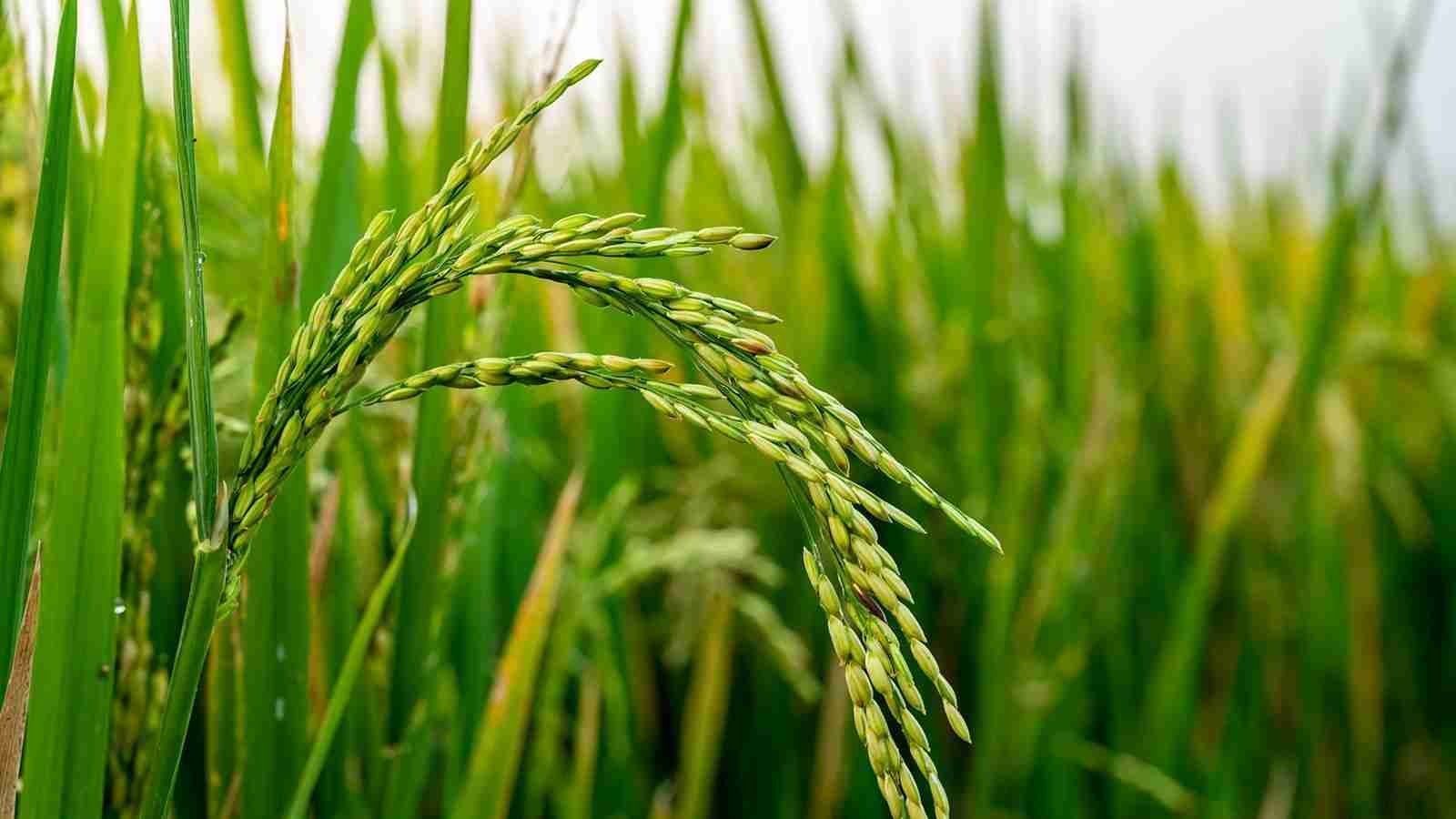
Understanding the Journey: The Life Cycle of Paddy from Field Harvest to Processing
The journey of paddy, from a vibrant green field to our dining tables, is an intricate process filled with tradition and craftsmanship. Once the paddy reaches its peak ripeness, farmers initiate the harvest, carefully cutting the stalks to ensure minimal loss. After the initial gathering, the paddy is transported to drying areas where it is spread out in thin layers under the sun. This crucial drying stage reduces moisture content, preventing spoilage and preparing the grains for the next steps in processing. Key aspects of this stage include:
- Sun Drying: Utilizes natural sunlight to reduce moisture levels.
- Mechanical Drying: Involves temperature-controlled systems for rapid drying.
Once dried, the paddy enters the processing phase, where it undergoes milling to separate the rice grains from their husks. This includes several steps: husking, polishing, and grading. Each step is designed to enhance the quality and appearance of the rice, ensuring that it meets market standards. The table below outlines the main processing stages and their significance:
| Processing Stage | Description |
|---|---|
| Husking | Removal of the outer husk to reveal the brown rice. |
| Polishing | Shining and cleaning brown rice to achieve a glossy appearance. |
| Grading | Sorting rice based on size and quality, ensuring uniformity. |

Techniques of Transformation: Unraveling Traditional and Modern Paddy Processing Methods
In the journey from paddy field to dining table, the transformation of raw grains into palatable rice has a rich tapestry woven from both traditional practices and modern innovations. Traditional methods often emphasize a connection to the land and cultural heritage, relying on time-honored techniques such as sun drying and hand milling. These approaches not only preserve the quality of the grain but also impart unique flavors that industrial methods may overlook. Key elements of these traditional practices include:
- Sun Drying: Utilizing natural sunlight to reduce moisture levels, enhancing flavor and shelf-life.
- Hand Milling: Employing stone or wooden mortars to gently remove husks, ensuring minimal grain breakage.
- Water Threshing: Using water to loosen grains from the stalks, reducing mechanical damage.
In contrast, modern paddy processing techniques leverage advanced technology to increase efficiency and scalability. Modern mills are equipped with automated machinery that accelerates milling and improves yield. Notable techniques include:
- Parboiling: Soaking and steaming paddy before milling to enhance nutritional value and reduce cooking time.
- Precision Milling: Utilizing precision machines to diminish waste and achieve desired grain texture.
- Integrated Processing Plants: Streamlining the entire process from drying to packaging, ensuring a fresh product reaches consumers.
| Method Type | Advantages | Disadvantages |
|---|---|---|
| Traditional | Flavor retention, cultural significance | Labor-intensive, slower yield |
| Modern | High efficiency, consistent quality | Costly machinery, potential loss of flavor |
Nutritional and Culinary Benefits: How Processed Paddy Shapes Our Diets
Paddy, when processed, transforms into a staple that serves as the cornerstone for countless diets around the globe. The nutritional benefits of processed paddy, particularly in its rice form, are substantial. Rich in carbohydrates, it provides a quick source of energy, essential for sustaining daily activities. Additionally, whole grain variants retain their bran and germ layers, bringing along a treasure trove of fiber and essential minerals like magnesium and phosphorus, which contribute to digestive health and bone strength. Furthermore, the low sodium content of rice makes it a heart-friendly option, aiding those seeking balanced cardiovascular health.
Culinary versatility elevates processed paddy beyond just its nutritional profile, allowing it to adapt to diverse cooking styles and cuisines. From fluffy steamed rice served alongside savory curries to stir-fries and risottos, its ability to absorb flavors makes it a favorite in kitchens worldwide. Here are some popular culinary uses of processed paddy:
- Side Dishes: Fluffy rice complements main courses and serves as a base for bowls.
- Salads: Cold rice salads provide a refreshing option packed with vegetables.
- Sweets: Rice pudding and similar desserts showcase paddy’s adaptability in sweet dishes.
| Type of Rice | Nutritional Benefits |
|---|---|
| White Rice | Quick energy source, low in fiber. |
| Brown Rice | High in fiber, rich in vitamins and minerals. |
| Wild Rice | Higher protein content, unique flavor profile. |
Sustainable Practices: Recommendations for Eco-Friendly Paddy Processing Techniques
In the journey of transforming paddy into a delicious dish, implementing sustainable practices during processing can significantly reduce environmental impact. One effective method is the adoption of energy-efficient machinery that minimizes operational emissions and maximizes output. Additionally, utilizing biodegradable materials for packaging can make a substantial difference in reducing plastic waste. Other eco-friendly techniques to consider include:
- Water conservation: Implementing water-saving technologies like drip irrigation and efficient wet milling can greatly reduce water use.
- Waste management: Composting rice husks and straw can not only diminish landfill waste but also enhance soil health for future crops.
- Renewable energy sources: Harnessing solar or wind power to run processing facilities can significantly decrease reliance on fossil fuels.
Moreover, adopting a circular economy approach in paddy processing promotes resource efficiency. By establishing partnerships with local farmers to source raw materials, processors can create a sustainable supply chain while supporting local economies. This not only helps in reducing transportation emissions but also fosters community engagement. A collaborative model can encourage shared knowledge regarding best practices, which may include:
| Practice | Benefit |
|---|---|
| Intercropping | Enhances biodiversity and soil fertility |
| Organic fertilization | Minimizes chemical runoff and improves soil health |
| Eco-friendly pest control | Reduces chemical pesticide use |
Closing Remarks
As we draw the curtain on our exploration of paddy processing, it’s clear that this intricate journey from field to table is much more than mere agriculture; it is a harmonious blend of tradition, innovation, and sheer dedication. Each grain of rice carries with it a story of labor and care, reflecting the hands that toiled in the fields and the processes that transformed it into the staple we often take for granted.
Understanding these steps not only deepens our appreciation for rice but also highlights the importance of sustainable practices that protect both our environment and the livelihoods of farmers. Whether you’re savoring a simple bowl of steamed rice or indulging in an elaborate risotto, remember that your plate is a canvas painted with the efforts of many.
As we continue to uncover the nuances behind our food systems, let us foster a continued dialogue about the significance of every ingredient and every technique involved in transforming raw produce into nourishing meals. Together, we can celebrate these culinary arts and nurture a deeper connection to the land and the people who feed us. The journey of paddy may conclude here, but the story of food is ever-unfolding, inviting us to partake in a collective legacy of flavor, history, and sustainability.



