
From Grain to Goodness: The Art of Cereal Milling
In a world where the origins of our food often feel distant, there lies an intricate journey that transforms humble grains into the nourishing staples we enjoy every day. Cereal milling, an age-old craft, serves as the bridge between agriculture and our breakfast tables, turning golden fields of wheat, oats, and corn into flour, flakes, and cereals that sustain countless lives. This article delves into the fascinating art of cereal milling, exploring the delicate balance between tradition and technology, the meticulous processes involved, and the skilled artisans who add their touch to each grain. Join us as we uncover the layers of this essential trade, revealing how a simple seed can evolve into a source of goodness that nourishes communities around the globe.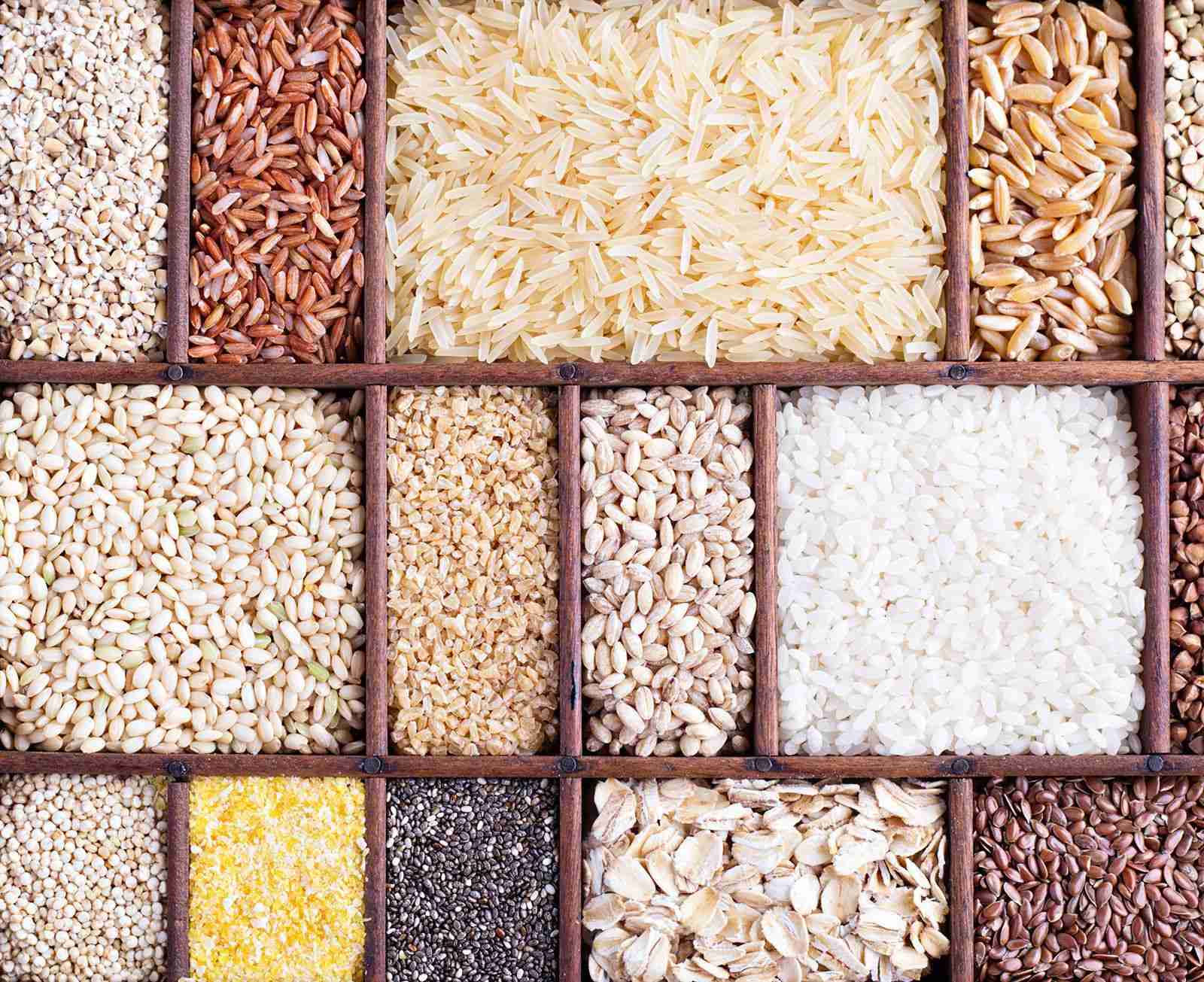
Exploring the Journey of Grain: Understanding the Milling Process
The journey of grain transforms humble seeds into a multitude of products that nourish communities around the world. This intricate process begins with the careful selection of high-quality grains, which are then subjected to cleaning and conditioning. The cleaning phase ensures that any impurities—such as stones, dust, and other foreign materials—are meticulously removed, laying a foundation for optimal milling outcomes. Once cleaned, grains are conditioned by adjusting their moisture levels, preparing them for the next step: milling. The milling process itself is an art form, involving the use of specialized machinery to break down the grains. This can take various forms, such as grinding, flaking, or roller milling, each yielding different textures and forms of flour or meal. Each method plays a pivotal role in determining the final characteristics of the product.
As the grains are processed, they undergo several remarkable transformations. The milling process can be broken down into three main stages:
- Breaking: This initial step involves cracking the grains to separate the bran and germ from the endosperm.
- Reduction: During reduction, the particles are further ground into finer flour, enhancing the texture and versatility of the final product.
- Sifting: This final stage ensures consistent particle size, sharpening the quality of flour ready for various culinary applications.
The attention to detail in each stage of milling contributes significantly to the end product. Various factors, such as the type of grain, moisture content, and milling technique, influence the flour’s characteristics, including flavor, protein content, and baking qualities. Understanding these nuances is essential for both millers and bakers, paving the way for delicious creations that start their journey as simple grains.

The Science Behind Whole Grains: Nutritional Benefits Unveiled
Whole grains are a powerhouse of nutrition, packed with essential nutrients that contribute to overall health. Unlike refined grains, which have been stripped of key components, whole grains retain their bran, germ, and endosperm, offering a myriad of health benefits. Some notable advantages include:
- Rich in Fiber: Whole grains boast high fiber content, aiding digestion and promoting a healthy gut.
- Heart Health: Regular consumption of whole grains can lower the risk of heart disease by improving cholesterol levels.
- Weight Management: The fiber in whole grains helps you feel fuller longer, making it an excellent ally for those looking to maintain a healthy weight.
- Blood Sugar Control: Whole grains can help regulate blood sugar levels, potentially reducing the risk of type 2 diabetes.
Additionally, the nutritional profile of whole grains is enhanced by the variety of vitamins and minerals they contain, such as B vitamins, iron, magnesium, and antioxidants. These nutrients not only support metabolic processes but also play a vital role in energy production. When compared to their refined counterparts, whole grains significantly contribute to one’s daily nutrient intake. Here’s a brief comparison:
| Grain Type | Fiber (per 100g) | Key Nutrients |
|---|---|---|
| Whole Wheat | 12g | B vitamins, Magnesium, Iron |
| Brown Rice | 3.5g | Magnesium, Selenium, Manganese |
| Quinoa | 2.8g | Protein, Iron, Antioxidants |

Innovative Techniques in Cereal Milling: Embracing Sustainability
The cereal milling industry is witnessing a transformative shift as it integrates innovative techniques that not only enhance efficiency but also prioritize environmental sustainability. With the rising demand for eco-friendly practices, milling companies are now adopting methods such as water conservation technologies, energy-efficient machinery, and by-product utilization. These techniques not only reduce waste but also allow for the recycling of materials that would typically end up in landfills. Among key innovations, the use of whole grain milling processes, which minimize the removal of bran and germ, helps retain essential nutrients while ensuring lower energy consumption.
In addition to machinery advancements, the introduction of biodegradable packaging solutions is redefining how products reach consumers. These sustainable materials not only reduce the carbon footprint of transportation but also appeal to the growing market of environmentally-conscious consumers. Moreover, milling facilities are increasingly investing in renewable energy sources, such as solar and wind power, to operate their equipment. This commitment to sustainability is reflected in the adoption of agro-ecological practices that support local farming communities, bolstering economies while ensuring a steady supply of quality grains. The cereal milling landscape is evolving by weaving together tradition and innovation, setting a new standard for the future of food production.

Best Practices for Selecting and Storing Your Favorite Cereals
Selecting the perfect cereal is a delightful journey, one that starts with understanding your taste preferences and nutritional needs. Consider the following guidelines when choosing your cereal:
- Ingredients: Opt for cereals with whole grains as the first ingredient.
- Added Sugar: Keep an eye on sugar content—look for options with less than 10 grams per serving.
- Nutritional Value: Seek out cereals fortified with vitamins and minerals for added health benefits.
- Texture and Flavor: Experiment with different textures (crunchy, puffy, flaky) and flavors (fruity, nutty, chocolatey) to find your favorites.
Once you’ve selected your beloved cereals, proper storage is essential to maintain their freshness and flavor. Here are some effective storage tips:
- Container Choice: Use airtight containers to prevent moisture from spoiling your cereals.
- Cool and Dark Place: Keep cereals in a cool, dark cabinet away from direct sunlight and heat sources.
- Labeling: Consider labeling containers with the purchase date to monitor freshness.
- Portion Control: For on-the-go convenience, divide cereals into single-serving bags to maintain optimal freshness for each portion.
To Wrap It Up
In the symphony of food production, cereal milling plays a quiet yet essential melody, transforming humble grains into the foundation of countless meals. As we peel back the layers of this intricate process, we discover not just the mechanics of milling, but the artistry and tradition that shape our daily sustenance. From the farms where grains are nurtured to the mills where they are skillfully transformed, every step is a testament to the intertwining of nature and craftsmanship. As consumers, we have the opportunity to appreciate the journey that our food takes, recognizing the care that goes into each kernel. So next time you pour your morning bowl of cereal or whip up a fresh loaf of bread, take a moment to reflect on the grains that came before it—each one a small piece of a greater story, rich in history and nourished by human ingenuity. The world of cereal milling is not just about production; it’s about connection, heritage, and an enduring celebration of the simple yet profound goodness found in grains.



