
In the heart of countless cultures and cuisines lies a humble yet remarkable grain—maize. From its vibrant golden kernels to the versatile flour that fuels our favorite dishes, maize serves as a cornerstone of sustenance and tradition across the globe. The journey from cob to flour is not merely a transformation of physical form; it is an artful process steeped in history, innovation, and an enduring relationship between humanity and agriculture.
In this exploration, we will delve into the intricate techniques of maize milling, uncovering the historical roots and modern advancements that shape this age-old craft. Whether it’s the rhythmic grinding of a stone mill or the precise mechanics of contemporary machinery, the milling of maize reveals a story of adaptation and resilience. Join us as we trace the path of maize from its origins in ancient fields to the kitchens of today, celebrating both the artistry and the science that brings this beloved grain to our tables.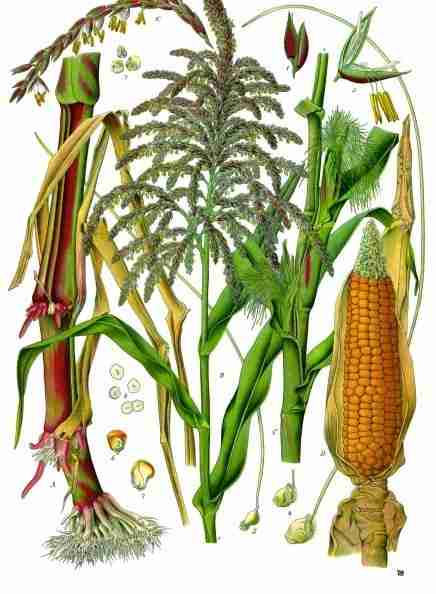
The Journey of Maize: Understanding the Importance of Quality Cob Selection
The journey of maize begins long before it reaches the milling stage, rooted deeply in the selection of quality cobs. The characteristics of the cob can determine the texture, flavor, and even the nutritional value of the final product. Selection criteria can include:
- Kernel Integrity: The kernel should be plump and consistently shaped for optimal flour results.
- Moisture Levels: Proper moisture content is crucial; too much can lead to spoilage, while too little can affect milling efficiency.
- Color and Texture: A rich yellow color often indicates higher levels of beta-carotene, while a smooth texture can enhance processing.
Once these optimal cobs are harvested, they undergo a meticulous selection process before milling. Farmers and millers pay close attention to various factors that contribute to the quality of the milling process, including:
| Characteristic | Impact on Milling |
|---|---|
| Kernel Field Weight | Affects the yield of flour produced. |
| Hull Thickness | Influences the effectiveness of husk removal. |
| Varietal Compatibility | Some varieties blend better, enhancing flour quality. |
This meticulous selection process underscores the importance of understanding that each cob of maize holds the potential for creating exquisite flour, paramount to both traditional and innovative culinary applications. Quality cob selection is not just a step; it’s the foundation for a successful milling journey.
Milling Techniques Unveiled: Exploring Traditional and Modern Methods
Maize milling is an intricate art that marries tradition with innovation, embracing methods that have evolved over centuries. At the heart of this process is the transformation of whole maize kernels into flour, utilizing a variety of techniques. Traditional milling often involves the use of stone grinders or mortar and pestle, providing artisanal quality and flavor nuances that are treasured in various culinary applications. This method retains the integrity of the corn’s natural oils and nutrients, resulting in a rich, coarse flour that is ideal for dishes like tortillas and polenta.
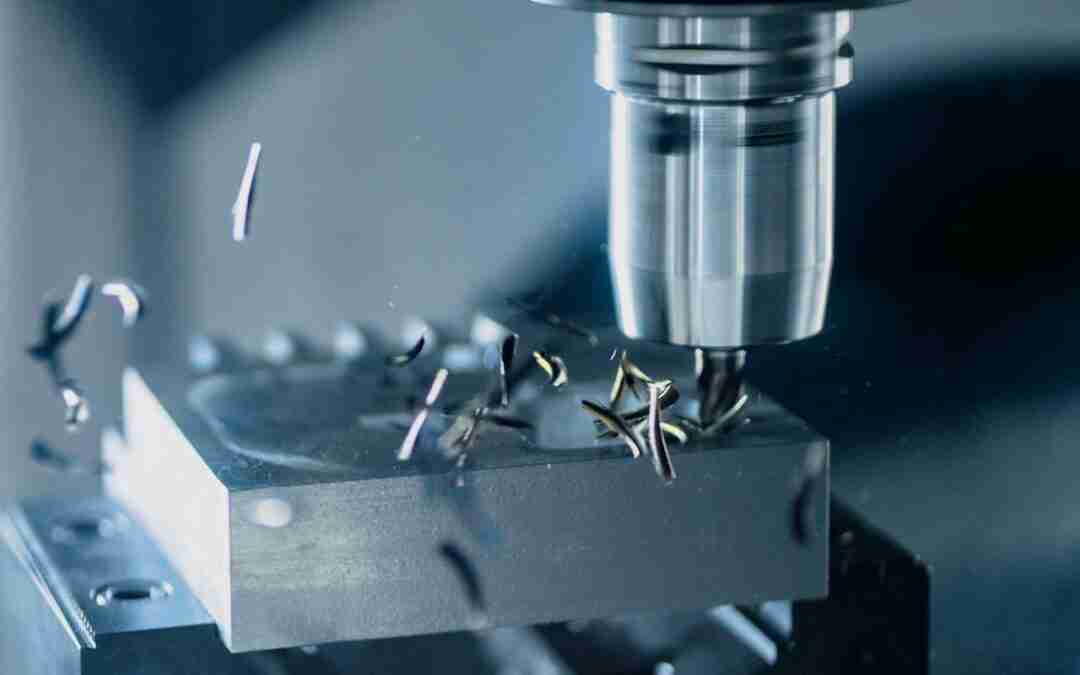
In contrast, modern milling techniques leverage advanced machinery to enhance efficiency and precision. Roller mills, for instance, employ high-pressure systems that efficiently extract starch and minimize the grain’s natural flavors. This allows for a finer, more uniform flour, catering to large-scale production without compromising on quality. Furthermore, the incorporation of technology has led to improvements in yield and reduction in waste. The following table highlights a comparison of traditional and modern milling techniques:
| Technique | Characteristics | Typical Uses |
|---|---|---|
| Traditional | Artisanal, retains flavor, nutrient-rich | Tortillas, polenta, specialty breads |
| Modern | Efficient, precise, high yield | Commercial flour production, baking industries |
From Kernels to Flour: The Science Behind Grinding and Sifting
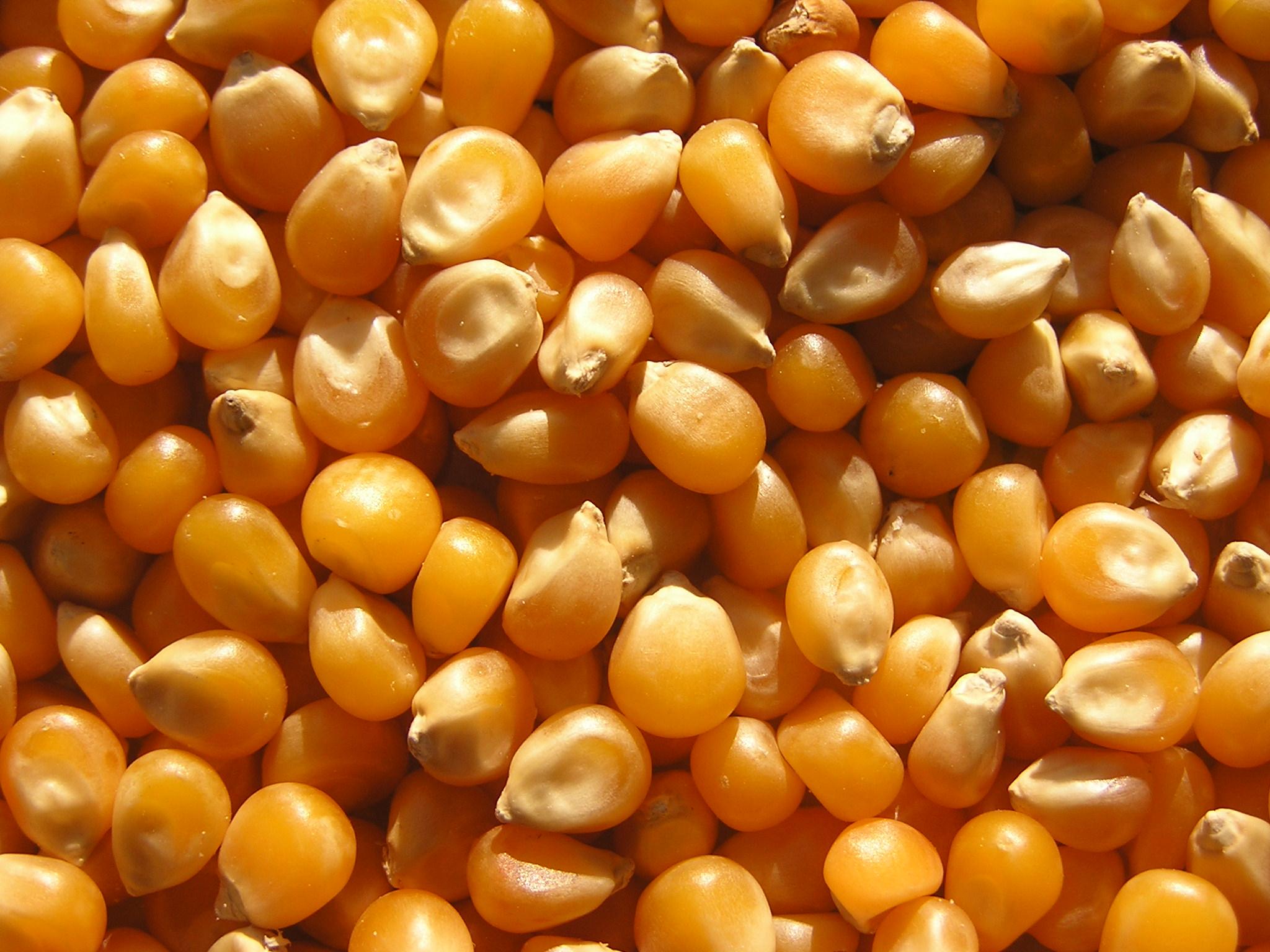
As maize transitions from its natural state to a usable flour form, an intriguing interplay of physics and chemistry unfolds. The initial step involves the drying of maize kernels to optimal moisture content, ensuring they remain stable during grinding. Once adequately dried, the kernels are subjected to pressure and friction during the milling process, where mechanical forces break down the hulls and release the endosperm. The choice of milling technique—be it stone, roller, or hammer milling—affects the grain’s structure and the flour’s final texture. Each method can produce a different grind size, which in turn influences everything from the flavor profile to the baking characteristics of the flour.
After the grinding phase, the screening and sifting phases play a critical role in determining flour quality. Here, the flour is separated based on particle sizes using a series of fine-mesh classifiers. This not only helps to refine the flour’s texture but also ensures uniformity for various culinary uses. The residual bran and germ—rich in nutrients—can be repurposed in different applications, promoting sustainability. Below is a simple overview of the milling process:
| Step | Description |
|---|---|
| Drying | Reducing moisture for stability. |
| Grinding | Mechanical breakdown of kernels. |
| Sifting | Separation by particle size. |
| Utilization | Repurposing bran and germ. |
Unlocking Flavor and Nutrition: Enhancing Your Baking with Freshly Milled Maize Flour
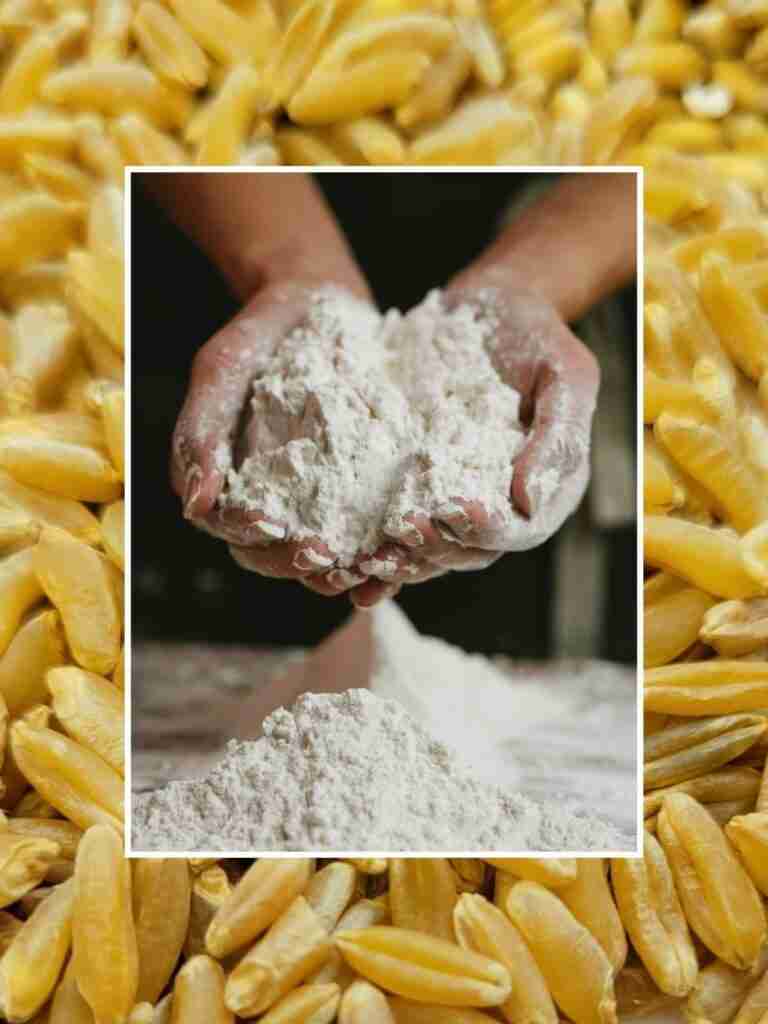
Incorporating freshly milled maize flour into your baking can vastly transform both the flavor profile and nutritional benefits of your dishes. Unlike its store-bought counterparts, freshly milled maize flour retains all the essential nutrients found in the grain, including fiber, vitamins, and minerals. This natural goodness not only enhances the nutritional value of your baked goods but also infuses a rich, earthy flavor that can elevate even the simplest of recipes. From cornbread to pancakes, the addition of maize flour brings a delightful texture and taste that will leave your family and friends begging for seconds.
When working with freshly milled maize flour, consider exploring the following ideas to maximize its potential:
- Experiment with Ratios: Mix maize flour with other flours to achieve a desirable texture.
- Pair with Complementary Flavors: Enhance the flavor profile by combining maize flour with herbs or spices like cumin or chili powder.
- Utilize in Gluten-Free Baking: Leverage maize flour’s natural properties to create gluten-free options that don’t compromise on taste.
By adopting these tips, not only will your baked goods shine with a unique taste, but you will also champion the health benefits of using whole grains in your cooking.
| Nutritional Benefits of Freshly Milled Maize Flour | Store-Bought Maize Flour |
|---|---|
| High in Fiber | Lower Fiber Content |
| Rich in Antioxidants | Limited Antioxidant Properties |
| Sustains Flavor & Texture | Less Flavorful & Processed |
Future Outlook
As we conclude our exploration into the intricate journey of maize from cob to flour, it’s clear that this seemingly simple transformation is steeped in tradition and skill. The art of maize milling is not merely a mechanical process; it encapsulates the deep-rooted cultural significance of a staple food that feeds millions worldwide. From small, artisanal mills that honor age-old techniques to industrial operations that embrace modern innovations, the world of maize milling reflects a rich tapestry of history, craftsmanship, and community.
As we savor the final product—a fine, versatile flour ready to be woven into countless recipes—we’re reminded of the hands that have shaped this journey through generations. Whether it’s the warmth of homemade tortillas or the satisfying crunch of cornbread, each bite tells a story of labor, care, and connection to the land. So the next time you sprinkle maize flour into your dough or batter, take a moment to appreciate not just the end result, but the entire process that brought it to your kitchen. In the heart of every grain lies a legacy waiting to be celebrated.



