
In the heart of agricultural innovation, a groundbreaking venture has taken root—one that not only signifies progress in milling technology but also embodies the aspirations of countless farmers and entrepreneurs alike. “Unlocking Success: The 2-Ton Rice Mill Plant Project Journey” delves into a transformative initiative that promises to reshape the landscape of rice production and processing. As we navigate through the intricate pathways of this ambitious project, we will explore the challenges faced, the triumphs earned, and the lasting impact on communities dependent on this staple crop. Join us as we uncover the story behind the machinery, the people driving its success, and the vision that propelled this journey from concept to reality. In doing so, we aim to not only celebrate achievements but also provide insights into the collaborative spirit that underlies sustainable agricultural practices in today’s dynamic world.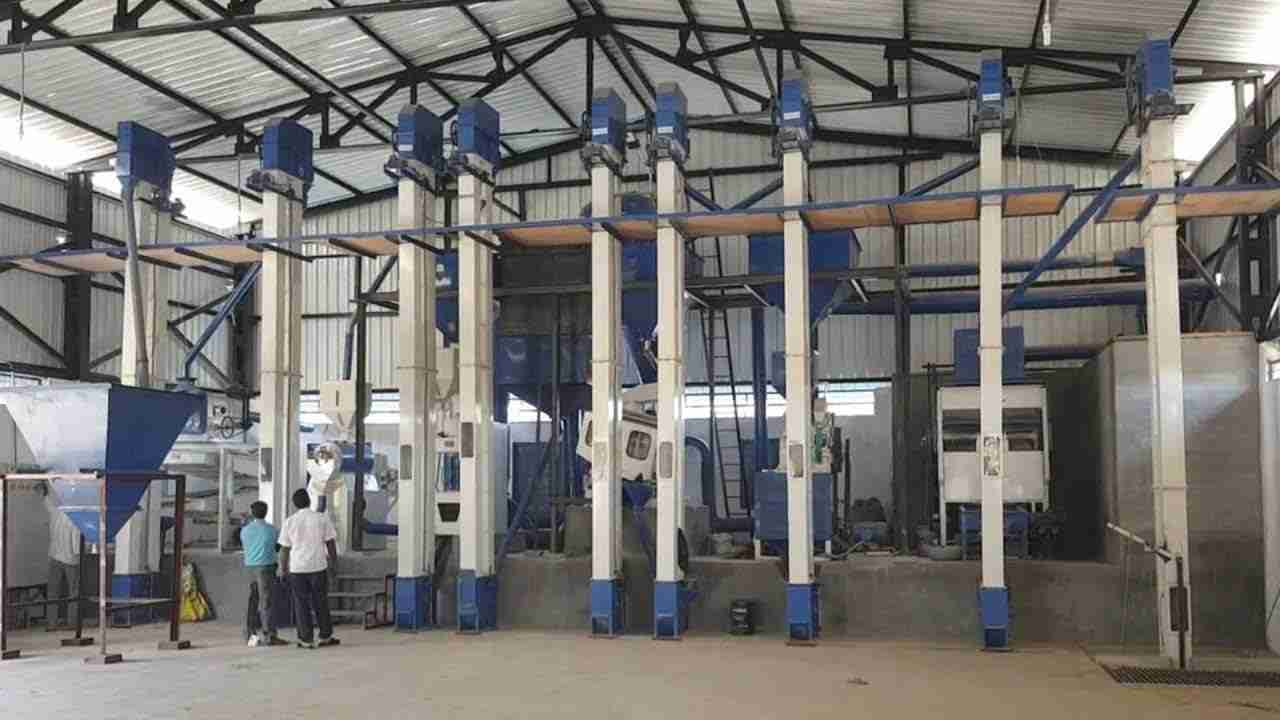
Understanding the Concept: The Vision Behind the 2-Ton Rice Mill Plant
At the heart of the 2-ton rice mill plant project lies a vision rooted in innovation, sustainability, and community empowerment. This initiative aims to revolutionize rice milling processes while ensuring that every grain processed contributes positively to the local economy. By focusing on efficiency and modern technology, the plant is designed to support local farmers and producers by providing them with a reliable and cost-effective avenue for processing their harvests. The commitment to quality not only enhances the product but also fosters a sense of trust within the community, creating an ecosystem where both small-scale farmers and larger businesses can thrive together.
Beyond mere production, the project seeks to establish a model of ecological responsibility. The vision encompasses various aspects of sustainability, including:
- Energy Efficiency: Utilizing renewable energy sources to power operations.
- Waste Management: Implementing systems to recycle byproducts effectively.
- Community Engagement: Actively involving local stakeholders in decision-making processes.
To measure the effectiveness of this vision, a simple overview of anticipated outcomes has been laid out. This table highlights key performance indicators as the project progresses:
| Outcome | Target Metric | Expected Benefit |
|---|---|---|
| Increased Production | 2 tons/hour | Boost in local rice supply |
| Reduce Waste | 30% | Lower environmental impact |
| Community Jobs | 50 jobs | Enhanced local employment opportunities |

Navigating Challenges: Overcoming Hurdles in Project Implementation
Throughout the journey of establishing the 2-ton rice mill plant, the project team encountered a labyrinth of obstacles that required innovative solutions and collaborative efforts. From technical delays to budgetary constraints, each hurdle presented a unique challenge. The team first addressed the unexpected machinery malfunctions by bringing in experts for timely assessments. Simultaneously, they engaged in strategic discussions, leading to a comprehensive review of the project schedule, enabling them to create a buffer for potential setbacks. This approach not only minimized downtime but also fostered a culture of adaptability among the stakeholders, enhancing camaraderie and teamwork.
Financial limitations posed another significant challenge, compelling the team to re-evaluate their initial projections. To navigate this, they implemented a robust cost management strategy that included:
- Conducting detailed market analyses to find competitive suppliers
- Enhancing negotiation tactics with partners and contributors
- Leveraging local resources to reduce logistics costs
The proactive management of finances allowed for a smoother implementation process, ultimately leading to successful project completion. The resilience demonstrated throughout these challenges not only solidified the team’s commitment but also reinforced the importance of foresight and preparedness in project management.
Strategic Planning: Key Recommendations for Sustainable Operations
To navigate the complexities of establishing a successful rice mill plant, it is essential to implement a comprehensive planning strategy that emphasizes sustainability. This can be achieved through a careful assessment of resources, local market demands, and environmental impact considerations. Embracing practices such as:
- Resource Efficiency: Utilize energy-efficient machinery and optimize raw material usage to reduce waste.
- Local Sourcing: Engage with local farmers to ensure a steady supply of rice while supporting the community.
- Eco-Friendly Practices: Implement waste recycling systems and promote sustainable agricultural techniques.
Additionally, it is crucial to engage stakeholders from diverse backgrounds to create a supportive environment for the mill’s operations. By investing in employee training and community outreach, the project can foster a sense of belonging and mutual growth. Key areas to focus on include:
| Stakeholder Group | Engagement Strategy |
|---|---|
| Employees | Continuous training programs and open communication channels |
| Farmers | Workshops on sustainable practices and fair pricing dialogue |
| Local Community | Regular community meetings to assess needs and feedback |
Measuring Success: Evaluating the Impact on Local Communities and Economies
As the 2-ton rice mill plant project took root, its impact on local communities became increasingly evident. The establishment of the mill not only improved access to fresh, high-quality rice but also reshaped the economic landscape. Local farmers, who once struggled with supply chain inefficiencies, now enjoyed a more direct route to market. With the mill processing their harvests, they experienced benefits such as:
- Increased Income: Farmers received fair prices for their produce, boosting their overall revenue.
- Job Creation: The mill generated new employment opportunities, reducing the local unemployment rate.
- Skill Development: Community members gained valuable training in milling techniques and business management.
The quantitative and qualitative improvements brought about by the rice mill extend beyond the economic scope, weaving a tapestry of enhanced wellbeing among residents. The local economy flourished, with a noticeable uptick in related businesses such as transportation, packaging, and retail. A brief overview of the key metrics following the project’s implementation is illustrated in the table below:
| Indicator | Before Project | After Project |
|---|---|---|
| Local Employment Rate | 15% | 25% |
| Farmers’ Income Growth | $200/month | $400/month |
| Local Business Revenue | $50,000 | $120,000 |
This newfound prosperity not only demonstrates the project’s effectiveness but also highlights the importance of sustainable agricultural practices in fostering resilient and vibrant communities.
Wrapping Up
As we conclude our exploration of the 2-Ton rice mill plant Project, it becomes clear that success is not merely a destination but a journey marked by innovation, dedication, and resilience. Each phase of this project, from its inception to execution, has woven together the threads of community involvement, technological advancement, and sustainable practices, forming a tapestry that represents the collective effort towards a fruitful future.
The path to unlocking success is often paved with challenges, yet it is through these challenges that ingenuity flourishes. As we move forward, the lessons learned from this endeavor can serve as a beacon for future agricultural initiatives, illustrating the profound impact that thoughtful planning and collaboration can have on empowering local economies.
In this vibrant narrative of growth and development, we invite you to reflect on the broader implications of the 2-Ton Rice Mill Plant. May it inspire further innovation in the agricultural landscape and foster a sense of global interconnectedness, reminding us all that success is a shared journey, ripe for exploration.



