
In the heart of our bustling breakfast routines, amidst the morning rush and the familiar crackle of a cereal box being opened, lies a fascinating world that often goes unnoticed. “Unraveling the Secrets of Cereal Processing: A Modern Journey” takes us beyond the colorful packaging and catchy slogans, delving into the intricate processes that transform raw grains into the beloved breakfast staple many enjoy today. This journey explores the cutting-edge technologies, scientifically crafted methodologies, and the time-honored traditions that converge in cereal production, revealing the delicate balance between innovation and heritage. As we peel back the layers of this essential food, we uncover not just the secrets of its processing, but also insights into the broader implications for health, sustainability, and culinary creativity in our modern diets. Join us as we embark on this enlightening exploration, illuminating the path from field to bowl.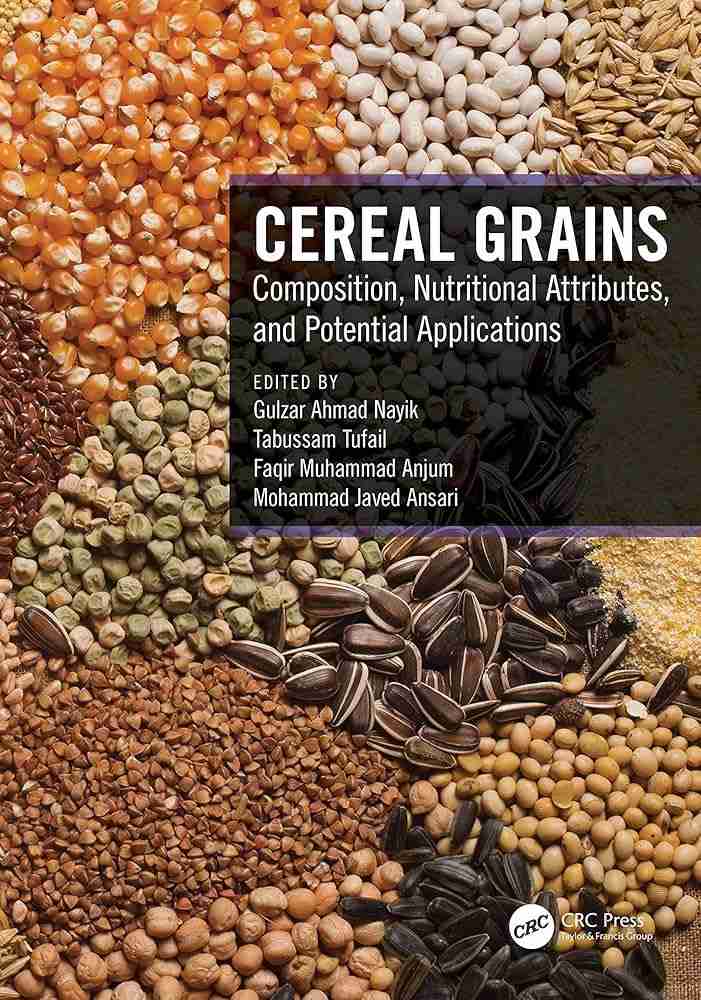
Understanding the Cereal Grain: From Field to Processing Plant
The journey of cereal grains begins on the vast fields where they thrive under the sun, nurtured by the seasons. Farmers painstakingly cultivate these crops, choosing the right seeds and monitoring the soil environment to ensure a bountiful harvest. When the time is right, modern machinery takes over, making the process of harvesting not only efficient but also precise. These machines, equipped with cutting-edge technology, separate the grain from the chaff, while preserving the quality of the grains that are destined for various applications. The harvested grains are then transported to processing plants, where another layer of transformation awaits.
In the processing plant, the real magic happens. Here, cereal grains undergo a series of intricate steps, such as cleaning, conditioning, and milling. Each stage is critical to ensure that the final product meets industry standards and consumer expectations. Processing techniques vary depending on the type of cereal, which leads to a diverse range of products, from flour to breakfast cereals. Some key processes include:
- Cleaning: Removing impurities and debris to enhance quality.
- Conditioning: Adjusting moisture levels for optimal milling.
- Milling: Grinding grains into flour or other forms.
To better understand these processes, we can outline the typical journey of cereal grains in a table:
| Process Stage | Description |
|---|---|
| 1. Harvesting | Collecting mature grains using advanced machinery. |
| 2. Transporting | Moving grains to processing centers via trucks or conveyors. |
| 3. Cleaning | Separating unwanted materials to secure grain purity. |
| 4. Milling | Transforming whole grains into various flour types. |
The Science of Milling: Transforming Whole Grains into Flour
From the lush fields where golden grains sway in the breeze to the bustling mills that transform these natural treasures, the journey of whole grains into flour is a captivating scientific process. At its core, milling harnesses the power of physics and biology, utilizing various methods to break down the tough outer layers of grains. The process begins with cleaning, where impurities like stones and seeds are meticulously removed, ensuring only the finest grains make their way to the mill. Once cleaned, the grains undergo a series of milling steps, including grinding and sifting, to achieve the desired consistency and texture. The modern milling process utilizes both traditional stone grinding and advanced roller milling techniques, each offering unique characteristics to different types of flour.
Additionally, it’s important to understand the different milling styles and their contribution to flour’s nutritional profile. Here are some aspects that highlight this transformation:
- Whole Grain Flour: Retains the bran, germ, and endosperm, providing higher fiber and nutrient content.
- White Flour: Made from the endosperm, resulting in a lighter texture but lower nutritional value.
- Specialty Flours: Include options like spelt, rye, or gluten-free alternatives, each with unique flavor and health benefits.
| Flour Type | Texture | Nutritional Value |
|---|---|---|
| Whole Wheat | Coarse and Grainy | High in Fiber & Nutrients |
| All-Purpose | Fine and Smooth | Moderate Nutrients |
| Almond Flour | Nutty and Dense | Rich in Healthy Fats |
This intricate dance of science and tradition not only shapes the flour we use in our kitchens but also reflects the ongoing advancements in food processing technology. By understanding the mechanics behind milling, consumers can appreciate the craftsmanship involved and make informed choices about the products they select for their culinary creations.

Innovative Techniques in Puffing and Flaking: Elevating Cereal Textures
Advances in cereal processing have brought a new wave of innovation, particularly in the realms of puffing and flaking. These techniques not only enhance the texture of cereals but also improve their taste and nutritional profiles. The process of puffing often involves using high pressure and temperature to expand grains rapidly, transforming them into light, crispy bites. Meanwhile, flaking involves steaming grains and passing them through rollers, creating thin, crispy sheets packed with flavor. Together, these methods contribute to a delightful crunch and a satisfying mouthfeel, making cereals more appealing to consumers.
Contemporary technology has introduced several innovative methods that push the boundaries of traditional techniques. Consider the following advancements:
- Extrusion Technology: This method combines heat, pressure, and moisture to create uniquely textured cereals with enhanced digestibility.
- Multi-stage Processing: By integrating multiple steps, manufacturers can achieve a more complex flavor and improved texture.
- Cold Puffed Cereals: Utilizing lower temperatures to puff grains preserves sensitive nutrients while still delivering a crunchy texture.
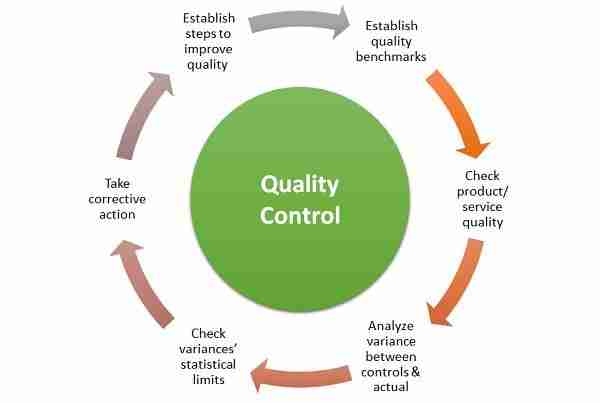
These innovations, coupled with quality control measures, ensure that the final products not only meet consumer preferences but also align with healthier eating trends.
| Technique | Benefits |
|---|---|
| Puffing | Light texture, enhanced taste, increased volume |
| Flaking | Crispy texture, easy to digest, versatile applications |
| Extrusion | Unique shapes, improved nutrient retention, customization |
Quality Control and Sustainability: Ensuring Safety and Environmental Responsibility
In the intricate world of cereal processing, ensuring high-quality standards is paramount not only for consumer safety but also for maintaining environmental integrity. Manufacturers rigorously implement quality control measures that encompass every step of the production process. This includes:
- Raw Material Inspection: Continuous monitoring of grains and additives to guarantee maximum freshness and nutritional value.
- Process Quality Checks: Regular assessments during processing stages to catch any deviations early.
- Final Product Testing: Stringent testing for contaminants and adherence to nutritional claims before products hit the shelves.
Sustainability is woven into the fabric of modern cereal production, ensuring that the journey from farm to table respects both human and ecological systems. Companies are increasingly adopting practices that not only reduce waste but also enhance resource efficiency. Key initiatives include:
- Energy Efficiency: Investing in technologies that minimize energy consumption during processing.
- Water Conservation: Implementing systems to recycle water in production, cutting down on overall usage.
- Eco-friendly Packaging: Using biodegradable or recyclable materials to reduce environmental impact.
| Aspect | Traditional Method | Sustainable Alternative |
|---|---|---|
| Energy Source | Fossil Fuels | Renewable Energy |
| Grain Sourcing | Conventional Farming | Organic and Local Sourcing |
| Waste Management | Landfill | Composting and Recycling |
In Retrospect
As we draw the curtain on our exploration of cereal processing, we find ourselves at the intersection of tradition and innovation. The journey from field to table is anything but simple; it is a tapestry woven with intricate techniques, scientific advancements, and a deep respect for the grains that sustain us. Understanding this process not only enhances our appreciation for a staple of modern diets but also highlights the dynamic relationship between agriculture and technology.
In a world where convenience often overshadows craftsmanship, this modern journey through cereal processing reminds us of the artistry involved in transforming humble grains into nourishing meals. As we savor our morning bowls, we can take comfort in knowing that behind every flake and puff lies a story—a story of dedication, ingenuity, and an unwavering commitment to quality.
So, whether you prefer your cereal crunchy, chewy, or in a warm porridge, remember that every bite is a culmination of countless hours of research, development, and relentless pursuit of perfection. We hope this insight into the cereal processing world inspires you to delve deeper into what fuels your breakfast, sparking curiosity about the foods we often take for granted. The next time you indulge in your favorite cereal, take a moment to appreciate the journey it undertook to reach your table—a journey filled with secrets waiting to be unraveled.



