
Unlocking the Essence of Maize Milling: A Ground-Up Journey
In the heart of countless cultures and cuisines lies a humble yet transformative grain: maize. This golden staple, revered for its versatility, has been a cornerstone of diets worldwide for centuries. Yet, behind the delectable dishes and cherished traditions lies a fascinating process that often goes unnoticed—maize milling. This seemingly simple act of grinding corn into flour is a complex and nuanced journey steeped in history, technology, and innovation. As we embark on this exploration, we aim to peel back the layers of maize milling, tracing its evolution from ancient practices to modern methods, uncovering its significance in food security, economy, and communities, and celebrating the craftsmanship that turns whole kernels into sustenance. Join us as we delve into the intricate world of maize milling, where tradition meets technology and where every grain tells a story.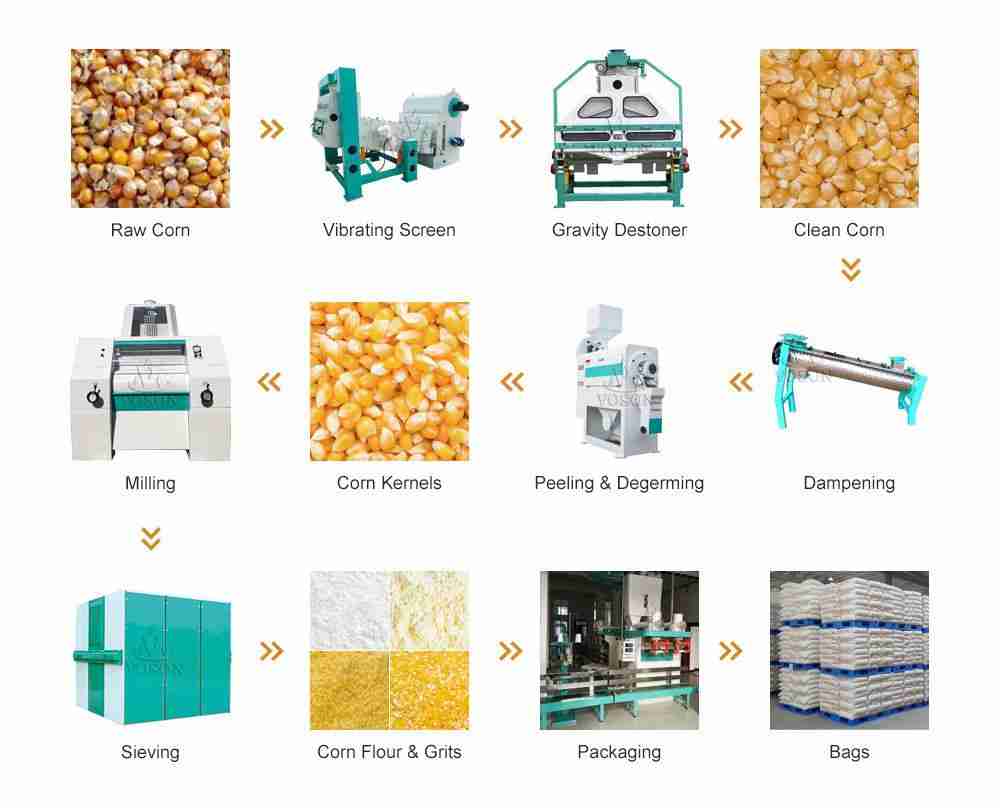
Understanding the Rich History and Cultural Significance of Maize Milling
The journey of maize milling weaves through the fabric of cultures across the globe, connecting generations through tradition and sustenance. In many Indigenous communities, maize, often referred to as corn, is more than just a crop; it is a symbol of life that nourishes both body and soul. Historically, the milling process transformed whole maize into flour, enabling the creation of staple foods like tortillas and polenta, which serve as essential sources of nourishment. The practice of milling not only fulfills dietary needs but also embodies community ties, where families and friends gather, passing down ancient techniques in a display of cultural pride.
Moreover, the significance of maize milling stretches beyond nutrition, influencing economy and art. In various regions, local millers have become custodians of cultural heritage, blending traditional methods with modern practices to preserve unique flavors and textures. This practice has led to the emergence of a vibrant culinary identity, as different cultures adapt maize flour to create distinctive dishes. Across continents, maize milling facilitates not just sustenance but also artistic expression, with each meal telling a story steeped in tradition. As the world continues to evolve, the resonance of maize milling remains steadfast, serving as a testament to the rich tapestry of human connection and cultural continuity.
Exploring Modern Techniques and Technologies in Maize Processing
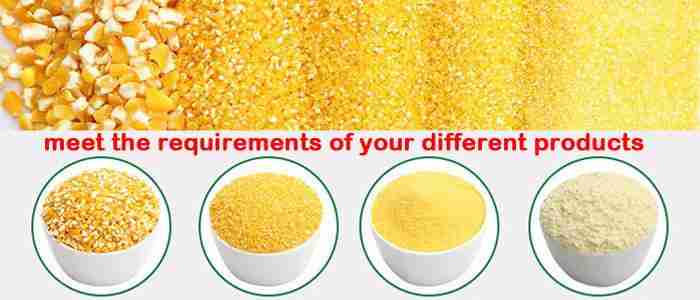
The modernization of maize processing has undergone a remarkable transformation, driven by innovation and technology. Today, processors harness equipment that enhances efficiency and product quality. State-of-the-art milling techniques, such as wet and dry milling, allow for versatile applications, producing everything from cornmeal to high-fructose syrup. Additionally, the integration of automated sorting systems ensures that only the highest quality kernels are selected, minimizing waste and optimizing the entire process. The adoption of advanced sensor technologies not only facilitates real-time monitoring but also helps in maintaining the integrity and flavor of the maize throughout the processing pipeline.
Furthermore, an emphasis on sustainability has influenced the choice of methodologies and techniques within the industry. Modern facilities now employ renewable energy sources to power equipment, contributing to reduced carbon footprints. Advanced bioprocessing techniques are also being explored, allowing for the conversion of maize waste into biofuels, creating a circular economy. As maize processors embrace these contemporary practices, the interplay of technology and innovative approaches becomes apparent, revealing a landscape where traditional grain milling meets the demands of future food security. Below is a summary of key modern techniques:
| Technique | Description | Benefits |
|---|---|---|
| Dry Milling | Process of grinding maize kernels into flour without adding moisture. | Increased shelf life, versatile product use. |
| Wet Milling | Involves soaking maize in water and separating components such as starch and gluten. | High yield of valuable by-products, improved texture in products. |
| Automated Sorting | Use of sensors for real-time quality assessment and grading of kernels. | Enhanced quality control, reduced manual labor. |
| Bioprocessing | Utilizes microorganisms to convert maize by-products into energy sources. | Promotes sustainability, reduces waste. |

Maximizing Nutritional Value: Best Practices in Milling
To achieve the highest nutritional output during maize milling, several best practices can be seamlessly integrated into the process. Ensuring optimal moisture content is crucial. Ideal moisture levels range between 13-15%, as this balance prevents deterioration and maintains the integrity of essential vitamins and minerals like B vitamins and antioxidants. Additionally, consider using modern milling techniques that maximize retention of these nutrients. Utilizing equipment that operates at lower temperatures during milling can reduce the risk of nutrient loss typically associated with conventional high-heat processes.
Moreover, adopting a sustainable approach not only enhances nutritional quality but also fosters environmental stewardship. Implementing the following practices can significantly benefit both consumers and ecosystems alike:
- Use non-GMO maize varieties to ensure cleaner and healthier products.
- Incorporate the whole grain in milling processes to harness all parts of the kernel, thus retaining fiber and vital nutrients.
- Engage in regular testing and quality control to optimize the milling process and assure nutrient integrity.
| Nutritional Component | Percentage Retained |
|---|---|
| Fibre | 80% |
| Vitamin B6 | 90% |
| Iron | 75% |

Sustainable Approaches to Maize Milling for Future Generations
As the world embraces a more eco-conscious lifestyle, milling processes must transform to ensure that the benefits of maize reach future generations without compromising the environment. Sustainable maize milling incorporates sustainable agricultural practices, efficient energy use, and waste reduction techniques. Key elements of this approach include:
- Eco-friendly Energy Sources: Transitioning from fossil fuels to renewable energy sources, such as solar or wind power, to reduce the carbon footprint of maize milling.
- Water Conservation: Implementing closed-loop water systems to minimize water consumption in milling processes.
- Waste Repurposing: Converting milling waste into animal feed or biofuel, effectively creating a circular economy within the milling industry.
Moreover, community engagement plays a pivotal role in promoting sustainable practices. Educating local farmers about organic maize cultivation reduces pesticide use and enhances soil health. Collaborations between millers and farmers can foster a sense of shared responsibility for environmental stewardship. Here are some benefits derived from this collaborative approach:
| Benefit | Description |
|---|---|
| Improved Soil Health | Enhanced nutrient cycling and reduced chemical inputs. |
| Increased Market Access | Producing high-quality, organic maize opens up premium markets. |
| Strengthened Community Ties | Building networks between farmers and millers fosters collaboration. |
The Way Forward
In navigating the intricate world of maize milling, we uncover not just a process, but a tapestry woven with culture, history, and innovation. From the humble beginnings of ancient grinding stones to the sophisticated machinery of modern milling, the journey highlights the importance of maize in culinary traditions and its economic significance. As we’ve explored the various facets of this essential industry, it becomes clear that maize milling is more than a mere means to an end; it is a celebration of agricultural heritage, community resilience, and technological advancement. As we reflect on the rich narrative behind each kernel, we invite you to appreciate the artistry that transforms a simple grain into a cornerstone of sustenance and flavor. May this exploration inspire a deeper connection to the food we consume and the meticulous processes that bring it to our tables. So, as we close this chapter on maize milling, let us carry forward the lessons learned and continue to unlock the essence of this remarkable journey, one kernel at a time.



