
In a world where innovation meets tradition, the agricultural landscape is witnessing a remarkable transformation. At the heart of this change is the newly unveiled 2 Ton rice mill plant Project, a venture poised to redefine efficiency and productivity in rice processing. As the demand for high-quality rice continues to soar, this project represents not just a significant investment in technology but also a commitment to sustainable farming practices that can uplift communities and enhance food security. In this article, we delve into the intricacies of the 2 Ton Rice Mill Plant, exploring its design, expected impact, and the vision behind its launch. Join us as we embark on a journey through this groundbreaking initiative, highlighting the critical role it plays in the broader narrative of agricultural advancement.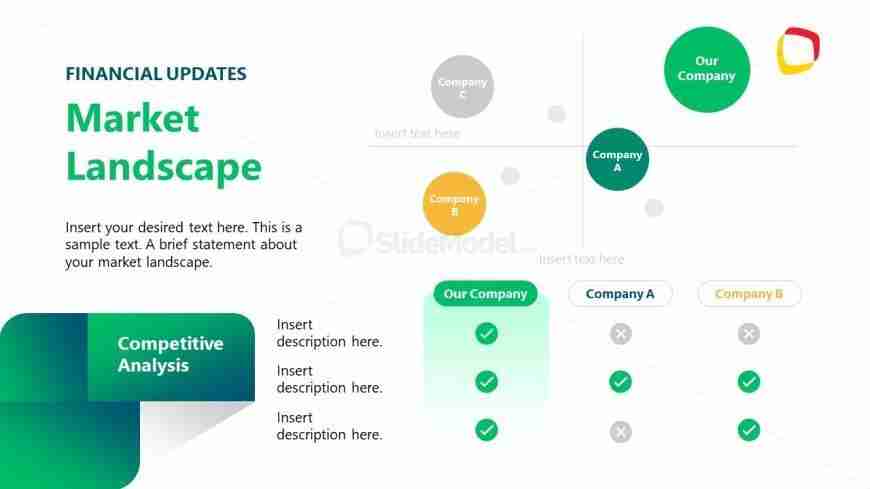
Understanding the Market Landscape for Rice Milling Ventures
In the realm of rice milling, understanding the intricacies of the market landscape is crucial for establishing a successful venture. Key factors influencing the rice milling industry include supply chain dynamics, consumer preferences, and technological advancements. Stakeholders must grasp the following elements to position their business effectively:
- Demand Trends: Evaluating local and international demand can vary significantly based on dietary habits and population growth.
- Competition Analysis: Identifying major competitors and their market share can help tailor strategies for market entry.
- Pricing Strategies: Analyzing production costs vs. market prices ensures competitive yet profitable pricing.
A well-rounded understanding of these factors helps mitigate risks and capitalize on opportunities tailored to meet the evolving needs of consumers. Additionally, a focus on sustainability and eco-friendly practices can further enhance a rice milling business’s appeal, presenting unique selling propositions that resonate with environmentally conscious buyers. The following table outlines essential market segments for potential investors:
| Market Segment | Growth Potential |
|---|---|
| Domestic Retail | High |
| Export Markets | Moderate |
| Food Processing Industries | High |
| Health-Conscious Consumers | Rising |
This foundational knowledge not only aids in strategic planning but also contributes to the overall sustainability and scalability of the rice milling project in a competitive landscape.

Evaluating the Technological Innovations in the 2 Ton rice mill plant
In the heart of agricultural innovation, the 2 Ton Rice Mill Plant stands as a testament to modern engineering and sustainability. State-of-the-art technology has been meticulously integrated into every aspect of the plant’s design, transforming traditional rice milling processes. The features of this innovative setup include:
- Automated milling systems: Reducing manual labor while enhancing efficiency.
- Energy-efficient machinery: Significantly lowering operational costs.
- Advanced cleaning and sorting technology: Ensuring high-quality rice output.
This strategic implementation of technology not only augments productivity but also emphasizes sustainability. For instance, the integration of waste-to-energy conversion systems allows for a low carbon footprint while maximizing resource utilization. Furthermore, the user-friendly interface of the control systems simplifies monitoring and adjustments, making it accessible even for those with limited technical skills. Below is a concise overview of the technological innovations in the plant:
| Innovation | Benefit |
|---|---|
| Hydraulic Control Systems | Increased precision and efficiency in milling. |
| Eco-Friendly Packaging Solutions | Reduction of plastic waste and environmental impact. |
| Real-Time Monitoring Sensors | Instant data feedback for optimal performance. |
Sustainable Practices and Their Role in Rice Mill Operations
In the modern agricultural landscape, integrating eco-friendly practices into rice mill operations not only enhances efficiency but also fosters environmental stewardship. By utilizing renewable energy sources such as solar power, rice mills can significantly reduce their carbon footprint while maintaining high output levels. Additionally, adopting water conservation techniques, like recycling effluent water for irrigation, supports sustainable rice cultivation, bridging the gap between processing and cultivation stages. Implementing organic residue management strategies, such as composting leftover husks, not only minimizes waste but also enriches soil health, creating a more resilient agricultural ecosystem.
Furthermore, the incorporation of green technologies in milling processes can lead to substantial resource savings. For instance, employing energy-efficient machinery and optimizing the milling process reduces not only operational costs but also the use of fossil fuels. Training employees on sustainable operational methods and conducting regular audits to assess environmental impact are vital steps toward achieving long-term sustainability goals. Often, these practices can be highlighted in a straightforward comparison table to showcase their benefits:
| Practice | Benefits |
|---|---|
| Solar Energy Usage | Reduces energy costs and carbon emissions |
| Water Recycling | Conserves water and supports irrigation |
| Efficient Machinery | Decreases fuel consumption and waste |
| Employee Training | Increases awareness and adoption of sustainable methods |
Strategic Financial Planning: Funding and Budgeting for Success
In developing the financial framework for the 2 Ton rice mill plant project, meticulous attention has been paid to funding sources and budget allocations. The diverse funding mix is critical in ensuring the project’s viability and sustainability. Key sources include:
- Equity Investments: Drawing on private investors who share a vision for agricultural excellence.
- Bank Loans: Secured loans with favorable terms, tailored to support a growing enterprise.
- Government Grants: Leveraging available public funds aimed at agricultural development.
To effectively manage these resources, a structured budgeting approach has been implemented. This includes a comprehensive breakdown of anticipated expenses, ensuring that every dollar is purposefully allocated. The budget encompasses:
| Budget Category | Estimated Cost ($) |
|---|---|
| Equipment and Machinery | 100,000 |
| Labor Costs | 50,000 |
| Operational Expenses | 25,000 |
| Marketing and Outreach | 15,000 |
By setting clear financial goals and regularly assessing progress against the budget, the project can maintain alignment with its long-term vision for success and scalability.
In Conclusion
As we draw the curtain on the unveiling of the 2 Ton Rice Mill Plant Project, it becomes evident that this initiative stands as a beacon of hope and innovation in the agricultural landscape. With its state-of-the-art technology and commitment to sustainable practices, the project not only promises to elevate local economies but also to inspire a new wave of agribusiness ventures. As the gears begin to turn, it invites stakeholders from all corners—farmers, investors, and communities alike—to engage in a shared vision of growth and prosperity.
The journey of the 2 Ton rice mill plant is just beginning, but its potential ramifications are vast, echoing far beyond the confines of its mill walls. Let us watch as this venture flourishes, reaping the fruits of labor and foresight, and paving the way for a resilient agricultural future. Together, we can cultivate success, one grain at a time.



