
From Kernel to Consumer: The Journey of Corn Processing
Corn, often dubbed the unsung hero of agriculture, is more than just a staple in our diets; it is the backbone of countless industries worldwide. This golden grain, once hidden beneath a protective husk, embarks on a remarkable journey that transforms it from a simple kernel into a myriad of products that populate our kitchens, fuel our vehicles, and sustain our economy. In this exploration of corn processing, we will uncover the intricate steps that begin in the fields and end at the consumer’s table, revealing not only the technologies and techniques employed but also the people and stories woven into its journey. From traditional practices to modern innovations, join us as we trace the path of corn and discover how this versatile crop continues to shape our lives in both familiar and unexpected ways.
Exploring the Corn Kernel: Nutritional Value and Varietal Benefits
The corn kernel is a nutritional powerhouse, packing a variety of essential nutrients that contribute to a balanced diet. Each kernel is an energy-dense morsel, containing complex carbohydrates that serve as a primary fuel source. Notably, corn is rich in fiber, which supports digestive health, and it boasts a range of vitamins and minerals including B vitamins, magnesium, and phosphorus. This combination of nutrients makes corn a versatile ingredient, suitable for various culinary applications. Additionally, certain varieties of corn, such as blue corn, offer unique benefits due to their high levels of anthocyanins—antioxidants that promote overall health and may reduce the risk of chronic diseases.
When it comes to varietal differences, each type of corn brings its own unique advantages to the table. Here are some key distinctions:
- Sweet Corn: Ideal for fresh consumption, it is packed with natural sugars, making it a favorite for summer dishes.
- Field Corn: Primarily used for animal feed and processed products, it is higher in starch and less sweet than sweet corn.
- Popcorn: A distinct variety known for its moisture content and hard outer shell, making it perfect for popcorn snacks.
- Flint Corn: Recognized for its hard outer layer, it contains a higher starch content and is often used in making cornmeal and polenta.
| Varietal Type | Nutritional Highlights | Common Uses |
|---|---|---|
| Sweet Corn | High in sugars, low in starch | Salads, grilling, canned |
| Field Corn | High in starch, lower sugars | Animal feed, corn syrup, ethanol |
| Popcorn | High in fiber, low in calories | Snacks, movie theaters |
| Flint Corn | Dense with starch | Cornmeal, polenta, tortillas |

The Processing Pathway: Techniques and Technologies Transforming Corn
As corn makes its remarkable journey from field to food, various techniques and technologies play crucial roles in enhancing its usability and nutritional value. The processing begins with harvesting, which employs advanced machinery to ensure minimal damage to the kernels and maximum yield. Following this, drying and storage techniques utilize controlled environments to preserve grain quality and prevent spoilage. The transition from raw to refined corn happens through methods like milling, where the grains are ground into flour or meal, and wet processing, which separates the components of the kernel for diverse uses. Key technologies, such as enzymatic treatments, allow for the breaking down of starches into sugars, thus widening the applications of corn in everything from sweeteners to biofuels.
On the manufacturing front, innovations in packaging technology ensure that processed corn products remain fresh and safe for consumption. Sustainable practices highlight the importance of using biodegradable materials, further enhancing the environmental benefits of corn derivatives. These products can be categorized, as shown in the table below, illustrating the versatility of corn processing:
| Product Type | Applications |
|---|---|
| Corn Starch | Thickening agent in food, biodegradable plastics |
| Corn Oil | Cooking oil, biofuels |
| Corn Syrup | Sweetener in beverages and snacks |
From Farm to Table: Sustainable Practices in Corn Supply Chains
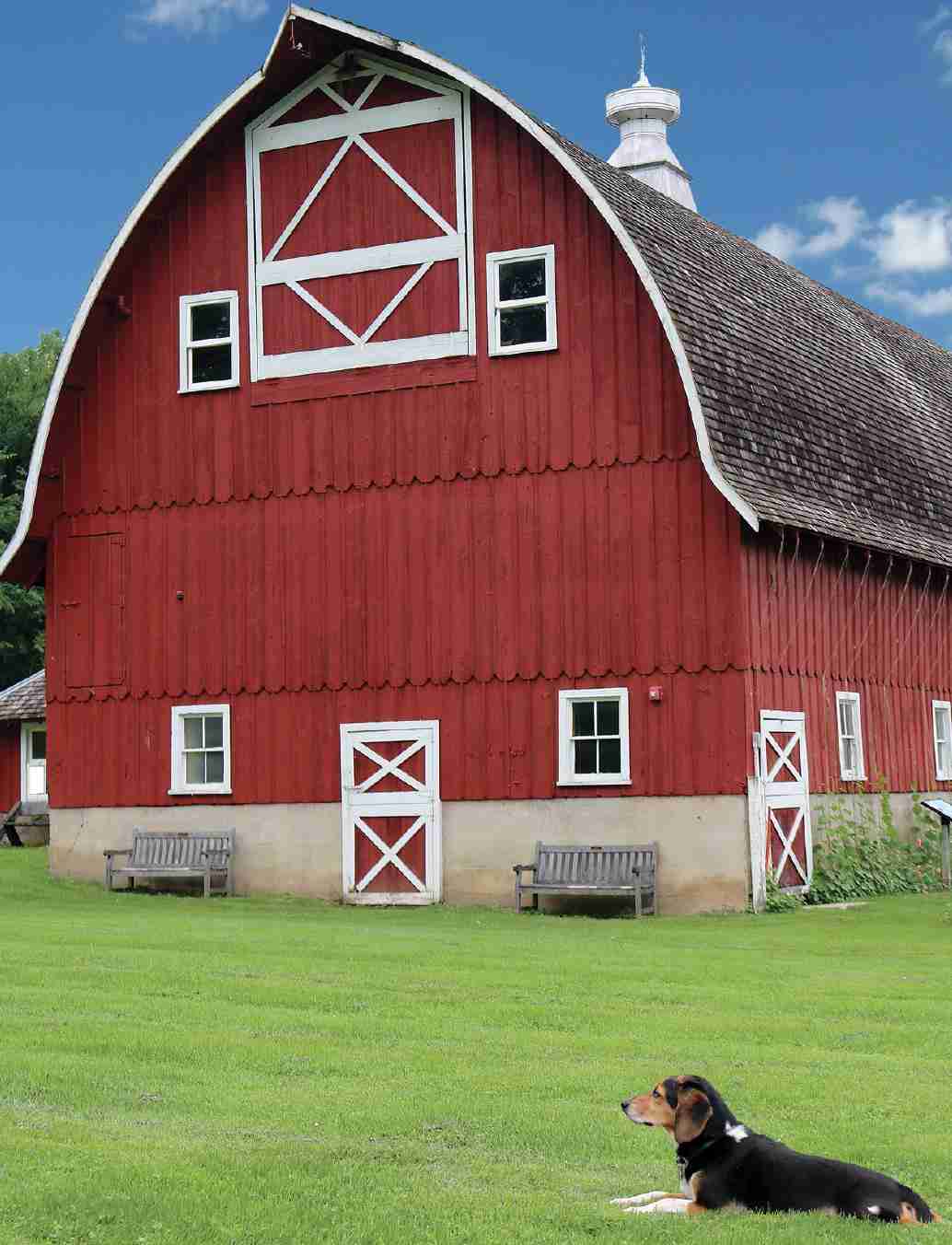
In the intricate tapestry of corn supply chains, sustainable practices are woven into every stage, from cultivation to consumption. Farmers increasingly adopt regenerative agriculture techniques, such as crop rotation and reduced tillage, which not only enrich the soil but also promote biodiversity. These practices help mitigate environmental impacts by fortifying ecosystems and minimizing carbon footprints. Alongside these methods, the integration of precision farming technologies allows growers to optimize resource use, ensuring fertilizers and water are applied judiciously to maximize yields while preserving vital natural resources.
Processing facilities play a crucial role in maintaining sustainability. By embracing energy-efficient technologies and waste reduction strategies, they minimize their ecological impact while delivering high-quality corn products. For instance, many processors utilize biogas systems, converting waste materials into renewable energy that powers their operations. This circular approach not only reduces dependency on fossil fuels but also exemplifies a commitment to sustainable farming practices. A table showcasing key sustainable practices in the corn supply chain illustrates this commitment:
| Stage | Sustainable Practice | Benefits |
|---|---|---|
| Cultivation | Crop Rotation | Enhances soil health and reduces pest pressure |
| Cultivation | Precision Farming | Maximizes resource efficiency |
| Processing | Biogas Systems | Produces renewable energy from waste |
| Distribution | Efficient Logistics | Minimizes carbon emissions during transport |
Consumer Choices: Navigating Corn Products for Health and Sustainability
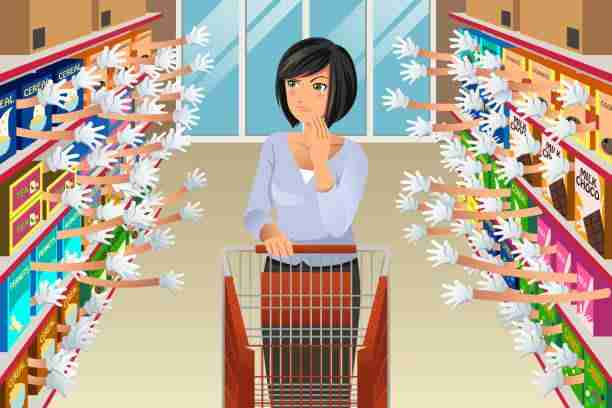
The journey of corn from farm to consumer has become a pivotal aspect of our dietary choices, especially in the context of health and sustainability. As consumers, we are often faced with myriad options ranging from whole corn to processed products like corn syrup and cornstarch. Understanding these choices can empower us to select healthier alternatives and consider the environmental impact of our decisions. When shopping, it’s essential to look for non-GMO labels, organic certifications, and packaging that indicates sustainable practices. These markers can help differentiate between products that support a sustainable agricultural system and those that contribute to a larger ecological footprint.
Additionally, consumers might consider incorporating more whole corn products into their diets, as they offer better nutritional profiles and are typically less processed. Some options to explore include:
- Popcorn: A whole grain snack with high fiber content.
- Hominy: A nutritious option used in various cuisines.
- Blue Cornmeal: Rich in antioxidants and a unique flavor.
- Corn Tortillas: Whole grain versions provide dietary fiber.
The following table highlights some common corn products and their environmental considerations:
| Product | Health Benefits | Sustainability Rating |
|---|---|---|
| Corn Grits | High in fiber | Moderate |
| Corn Oil | Rich in unsaturated fats | Variable |
| Sweet Corn | Rich in vitamins | High |
| Corn Syrup | Low nutritional value | Low |
As you navigate your corn product choices, consider not only what benefits your health, but also the implications your selections have on the environment. Making informed decisions can lead to a healthier diet while taking steps towards sustainability.
Future Outlook
As we conclude our exploration of corn’s remarkable journey from kernel to consumer, we stand in awe of this humble grain’s versatility and significance in our daily lives. Each stage of processing, from the careful cultivation of fields to the meticulous techniques of milling and manufacturing, reveals the intricate web of agriculture, technology, and nutritional science working harmoniously together.
In every bite of corn-based products, whether it’s the simple sweetness of popcorn at a movie theater or the hearty satisfaction of cornmeal bread, we celebrate not just a food source, but a complex story woven into the fabric of cultures and economies around the globe. Understanding this journey enriches our appreciation for the foods we enjoy and the farmers, scientists, and workers dedicated to bringing corn from the ground to our tables.
As we embrace the future of food sustainability and innovation, let us continue to value the journey of corn—a testament to both nature’s bounty and human ingenuity. In every kernel lies the promise of nourishment and a connection to the world that sustains us.



