
In the heart of countless kitchens around the world lies a staple that has nourished generations: flour. Yet, few take a moment to ponder the journey this fine powder embarks upon from its humble beginnings. The transformation of maize, a vibrant golden grain, into the versatile flour we rely on is an intricate dance of nature, technology, and time. “From Kernel to Flour: Unveiling the Maize Milling Process” invites you to explore this fascinating metamorphosis. Together, we will peel back the layers of each processing stage, from harvesting the sun-soaked kernels in sprawling fields to the precise milling techniques that unlock flour’s potential. Join us as we dive into the artistry and science that define this essential agricultural journey, illuminating the path that brings a classic ingredient from farm to table.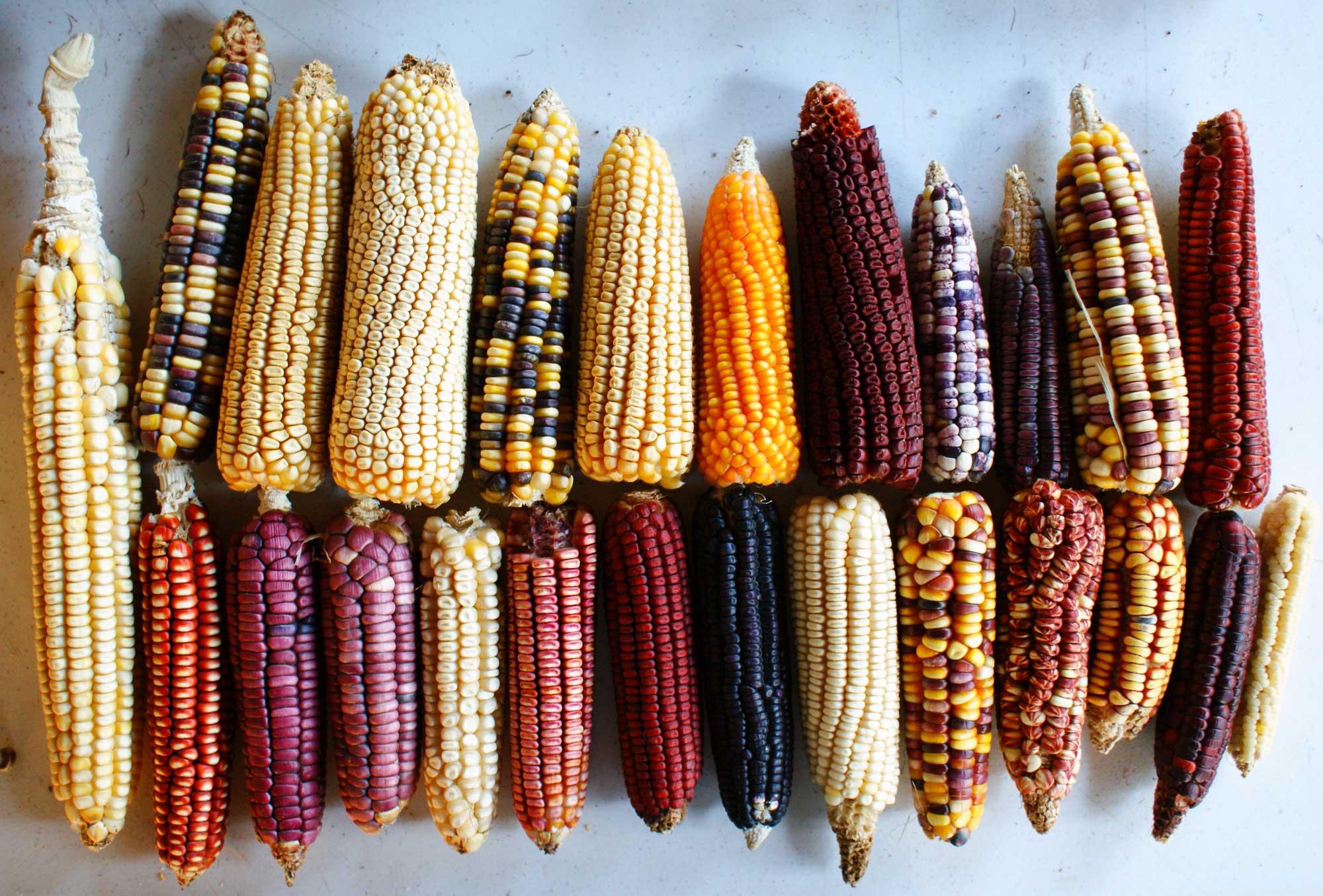
The Journey of Maize: Understanding the Evolution from Kernel to Flour
Maize, often affectionately dubbed the “corn,” is a remarkable crop that has undergone an extensive evolution from its ancient beginnings as a hardy kernel to a versatile and vital ingredient in many culinary traditions. The maize milling process begins with the careful selection of high-quality kernels, each holding the promise of flavor and nutrition. These kernels are then subjected to cleaning, removing any dirt or impurities. Once cleaned, the maize undergoes drying to reach the ideal moisture content, setting the stage for optimal milling. Following this, the milling phase uses either stone or roller mills to break down the kernels into coarse or fine flour, unlocking the hidden potential and transforming it into a staple that graces kitchens around the globe.
Throughout this transformation, specific techniques are employed to ensure that the valuable nutrients are preserved while maximizing flavor. The process incorporates several important stages:
- Degermination: Separating the germ and bran from the endosperm to refine the flour.
- Air Classification: Utilizing air flow to sort particles by size and density, resulting in different flour grades.
- Packaging: Ensuring that the final product remains fresh and retains its quality for consumers.
Moreover, to illustrate the significance of this journey, consider the following attributes of maize flour compared to its raw counterpart in a concise table:
| Attribute | Raw Kernel | Milled Flour |
|---|---|---|
| Texture | Hard and Gritty | Smooth and Fine |
| Usage | Animal Feed | Baking and Cooking |
| Nutritional Value | Whole Nutrients | Concentrated Carbs |

Essential Techniques in Maize Milling: Tools and Processes Explained
The process of transforming maize from its raw kernels into finely milled flour combines both traditional craftsmanship and modern technology. At the heart of maize milling lie essential techniques that ensure the quality and consistency of the final product. The journey begins with cleaning, where kernels are thoroughly inspected, removing debris, stones, and any damaged grains that might compromise the quality. Following this, dehusking separates the outer husk from the kernel to produce a more refined product. Pre-conditioning is a critical step as well, where the maize is subjected to moisture and heat, preparing the kernels for the milling process. This careful manipulation of conditions ensures that the flour retains optimal flavor and nutritional value.
Once pre-conditioning is complete, the milling process can commence, utilizing various specialized machines. The primary milling techniques include stone milling and hammer milling, each offering distinct texture and flavor profiles. Stone milling is revered for its ability to produce flour rich in nutrients due to its low-speed grinding that preserves the integrity of the grain. In contrast, hammer milling employs high-speed, sharp blades to create a finer flour but may result in some loss of essential nutrients. After milling, the flour may undergo additional steps such as sifting, where it is passed through various screens to achieve the desired texture, and packaging, where it’s sealed to maintain freshness. This seamless blend of techniques and tools is what enables enthusiasts and bakers alike to produce superb culinary creations from maize flour.
Quality Control in Milling: Ensuring Consistency from Start to Finish
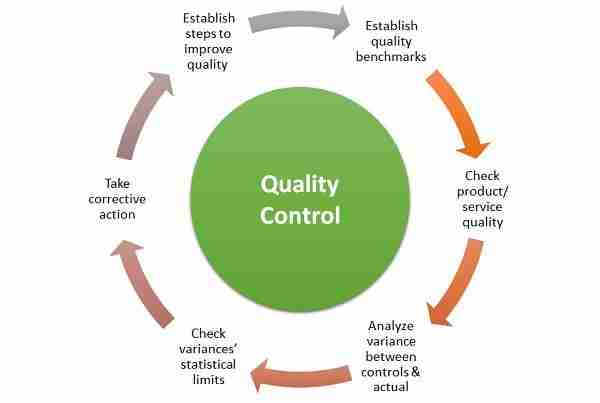
Quality control in milling is crucial for producing flour that meets both safety and taste standards. To achieve this, meticulous attention is given to several factors throughout the milling process. Each batch of maize undergoes rigorous examination, ensuring the raw kernels meet established quality benchmarks, such as moisture levels and nutrient content. The following practices are essential in maintaining high standards:
- Kernels Inspection: Raw maize is carefully checked for defects, ensuring only the best quality makes it to the next stage.
- Moisture Monitoring: Consistent moisture levels are vital, as they affect milling efficiency and flour quality.
- Laboratory Testing: Regular tests are conducted to analyze protein and gluten content, which influences the flour’s baking performance.
During the milling process itself, quality control measures are integrated to maintain consistency. This includes the use of advanced machinery designed for precision milling, which helps reduce variability in flour texture and particle size. An organized flow of the process allows for thorough checks without interrupting production; mills often implement a system of checkpoints where samples are taken to assess both the physical characteristics and chemical composition of the flour. The table below summarizes key quality checkpoints in the milling process:
| Checkpoint | Purpose | Frequency |
|---|---|---|
| Incoming Maize Check | Assess quality of raw material | Per Batch |
| Milling Efficiency Test | Optimize machinery performance | Hourly |
| Flour Quality Assessment | Ensure flour meets specifications | Every Shift |
By implementing these quality control measures from the moment the maize arrives until the flour is packed, millers can deliver products that are not only consistent but also of superior quality, ready to meet the demands of bakers and consumers alike.
Nutritional Benefits of Milled Maize: Exploring Healthier Alternatives in Flour Choices
Choosing milled maize as a flour alternative opens the door to numerous nutritional benefits that cater to various dietary needs. Rich in fiber, milled maize flour promotes digestive health, helping to maintain a balanced gut flora while preventing constipation. It is also an excellent source of complex carbohydrates, providing sustained energy throughout the day without the quick spikes in blood sugar associated with refined flours. Additionally, milled maize is naturally low in fat, making it a heart-healthy choice for those looking to maintain a balanced diet.
Moreover, milled maize flour boasts a robust nutrient profile that supports overall well-being. It contains essential vitamins and minerals such as vitamin B6, iron, and magnesium, crucial for various metabolic processes in the body. The gluten-free nature of milled maize makes it suitable for individuals with celiac disease or gluten intolerance, allowing them to enjoy baked goods without adverse effects. Below is a simple comparison table that highlights these key nutritional benefits:
| Nutrient | Benefit |
|---|---|
| Fiber | Supports digestive health and regularity |
| Complex Carbohydrates | Provides sustained energy |
| Vitamin B6 | Supports metabolism and brain health |
| Iron | Essential for red blood cell production |
| Gluten-Free | Safe for gluten-intolerant individuals |
Closing Remarks
As we draw the curtain on our exploration of the maize milling process, we find ourselves at the intersection of science, tradition, and innovation. From the moment the kernel is plucked from its golden cob, it embarks on a journey that transforms its intrinsic value into the flour we so commonly use in our kitchens. Each step—drying, cleaning, grinding, and sifting—represents not only a meticulous craft honed over generations but also a profound connection to the agricultural roots from which it stems.
Understanding this process deepens our appreciation for the humble maize, a staple that transcends borders and cultures. Whether it’s the foundation of a warm tortilla, a fluffy cornbread, or a comforting bowl of polenta, maize flour serves as a testament to culinary versatility. As we celebrate the ingenuity involved in milling, let us also honor the farmers, millers, and everyone in between who play a vital role in bringing maize from field to fork.
In our ever-evolving landscape of food production, let this knowledge empower us to make informed choices about the ingredients we use. So, the next time you reach for that bag of flour, take a moment to remember the intricate journey it undertook—from kernel to flour—a journey that nourishes not just our bodies, but our shared heritage as well.



