
From Grain to Goodness: The Journey of a Rice Mill
Nestled in the lush landscapes where emerald green fields stretch as far as the eye can see, a transformation begins that connects the earth with the dinner table. Rice, a humble grain yet a cornerstone of culinary cultures worldwide, embarks on a remarkable journey through the intricacies of a rice mill. At first glance, the process may appear straightforward: grains are harvested, husked, polished, and packaged. However, each stage is a symphony of mechanized precision and age-old traditions, orchestrating a delicate balance between efficiency and respect for nature’s bounty. From the moment the rice is plucked from the stalks in the sweltering sun to the moment it arrives glistening in a bag at your local market, every step plays a pivotal role in transforming this simple grain into the nourishing staple that graces kitchens around the globe. Join us as we explore the unseen paths that elevate rice from fields to plates, revealing the artistry, science, and dedication that ensure a bowl of rice delivers not just sustenance, but also a rich tapestry of stories and flavors.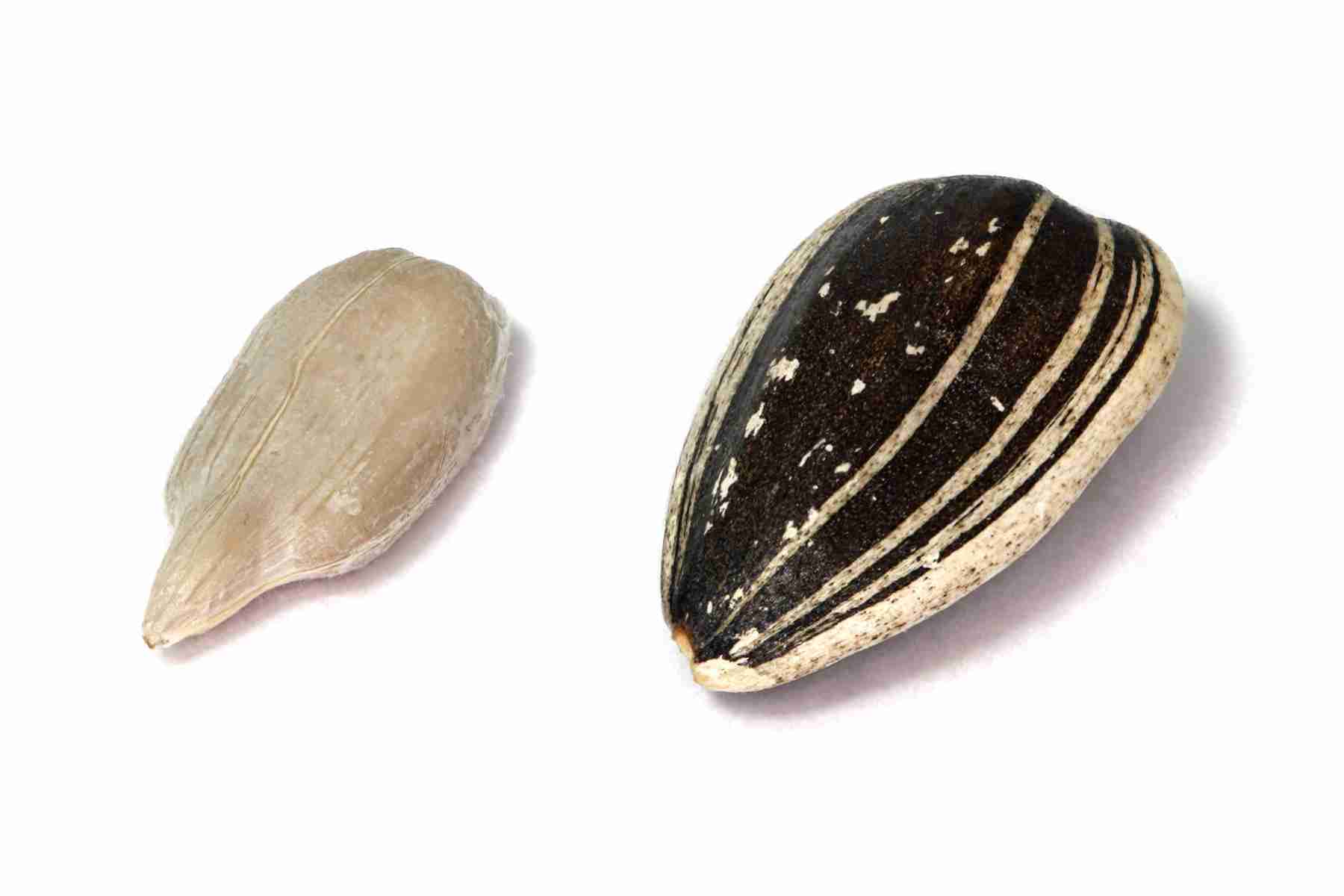
The Seed of Sustainability in Rice Milling
The journey of rice milling extends beyond mere processing; it is a vital effort toward fostering sustainability in agriculture. In a world where resource scarcity is a growing concern, embracing sustainable practices in rice milling is essential for ensuring a balanced ecosystem. Initiatives such as water conservation, energy efficiency, and the utilization of waste by-products play a crucial role in minimizing the environmental footprint of rice production. By employing advanced technologies, mills can optimize their operations and ensure that every grain is transformed into the most nutritious end product without compromising nature.
Moreover, community engagement and education are pivotal in spreading awareness about sustainable practices in rice milling. By offering training programs and workshops, mills can empower local farmers and businesses to adopt eco-friendly techniques. Key practices include:
- Minimizing carbon emissions through the use of renewable energy sources
- Implementing efficient water use systems to reduce wastage
- Utilizing rice husks for bioenergy and soil enrichment
To illustrate the impact of sustainability in rice milling, consider this simple breakdown of traditional versus sustainable milling practices:
| Practice | Traditional Milling | Sustainable Milling |
|---|---|---|
| Water Consumption | High | Minimized |
| Energy Source | Fossil Fuels | Renewable Sources |
| Waste By-products | Discarded | Recycled |

Transforming Harvests into Health: The Milling Process Explained
At the heart of every grain lies a fascinating transformation, taking it from its original state to the nutritious staple that graces our plates. The milling process begins with the careful selection of quality paddy rice, followed by thorough cleaning to remove impurities such as stones, dust, and husks. Once purified, the rice undergoes steaming, which enhances flavor and ensures better milling efficiency. Next, the outer husk is removed, yielding brown rice, which retains its bran layer rich in fiber and nutrients. This crucial stage opens the door to the choice of either further refining into white rice or packaging brown rice for health-conscious consumers.
The transition from brown to white rice involves a series of meticulous steps aimed at achieving the desired texture and shelf life. First, the brown rice is polished, where layers of bran and germ are removed, resulting in the familiar white rice. This stage increases longevity yet removes some nutritional benefits, showcasing the trade-off between flavor and health. Here’s a simplified comparison of rice types post-milling:
| Rice Type | Nutritional Benefits | Texture | Cooking Time |
|---|---|---|---|
| Brown Rice | High in fiber, vitamins | Nutty, chewy | 45-50 mins |
| White Rice | Lower fiber, quick energy | Soft, fluffy | 15-20 mins |
As the milling concludes, each grain finds its way to various markets, showcasing its versatility and adaptability in numerous recipes. Quality control measures are pivotal during this journey, ensuring that every bag of rice meets stringent standards for taste, texture, and safety. With cutting-edge technology and traditional practices working hand in hand, the milling process not only preserves the essence of the grain but elevates it to a staple that nourishes communities worldwide.
Quality Control at Every Stage: Ensuring Excellence in Rice Production
At every stage of the rice production journey, quality control is paramount to transforming raw grains into the edible staple cherished worldwide. The process begins with the careful selection of paddy rice, ensuring only the finest varieties are chosen. Once harvested, the grains undergo a meticulous drying process to achieve the desired moisture content, critical for preventing spoilage. Quality inspectors tirelessly assess the paddy for any impurities or defects, with the following checks integral to maintaining high standards:
- Visual Inspection: Inspecting grains for color, shape, and cleanliness.
- Moisture Testing: Using hygrometers to ensure optimal moisture levels.
- Sorting: Remove damaged or discolored grains to enhance overall quality.
As the production progresses to milling, quality control measures expand further. The milling process is monitored closely, where rice undergoes husking, polishing, and grading. Each of these stages is critical to ensure the rice achieves the right texture and flavor profile that consumers expect. Machines calibrated with precision play a vital role, complemented by human oversight. This includes:
- Husk Removal: Assessing the efficiency of husk removal to limit breakage.
- Polishing: Ensuring the right level of polish for enhanced presentation.
- Grading: Categorizing rice based on size and quality for market suitability.
| Stage | Quality Control Measure |
|---|---|
| Harvesting | Selective paddy inspection |
| Drying | Moisture content monitoring |
| Milling | Visual and mechanical grading |
Community Connections: Empowering Farmers through Fair Practices
At the heart of every thriving community lies a network of connections that empower local farmers and promote fair practices in agriculture. In our rice mill, we believe that the journey from field to table is profoundly influenced by the relationships we cultivate with our farmers. By prioritizing direct partnerships, we ensure that our growers receive equitable compensation and consistent support, enabling them to focus on sustainable farming methods. This emphasis on transparent communication fosters a sense of trust and shared purpose, creating a ripple effect that benefits the entire community.
To illustrate this synergy, we can look at our collaborative programs that support both social and environmental initiatives. Through workshops and training sessions, farmers learn about best practices in rice cultivation, while also being educated on the importance of eco-friendly techniques. Our efforts not only enhance productivity but also preserve the land for future generations. As a testament to our commitment, here’s a glimpse of initiatives we’ve implemented:
| Initiative | Description | Impact |
|---|---|---|
| Fair Trade Certification | Ensures farmers receive a living wage for their crops | Increased income stability |
| Sustainable Farming Workshops | Training on organic practices and soil health | Improved crop yield and quality |
| Community Supported Agriculture (CSA) | Connects local consumers directly with farmers | Strengthened local economy |
Concluding Remarks
As we draw the curtain on our exploration of the journey from grain to goodness at a rice mill, we are reminded that every grain of rice carries with it not just nutritional value, but a story—a story of nature, labor, and dedication. From the sun-kissed fields where paddy grows to the careful hands that harvest and mill it, the process is a harmonious blend of tradition and innovation. Each step, meticulously executed, transforms simple grains into a staple that nourishes millions around the globe.
Understanding the intricacies of this journey fosters a deeper appreciation for the food we consume. It highlights the interdependence between agriculture, technology, and community—a reminder of the effort behind even the most common of meals. As we savor our next bowl of rice, let us acknowledge the rich tapestry of experiences, cultures, and innovations that have brought it to our tables.
Thank you for joining us on this enlightening journey. Here’s to celebrating the grains that sustain us and the people who tirelessly contribute to our nourishment!



