
From Field to Fridge: The Journey of Corn Processing
Imagine a vibrant field, golden stalks of corn swaying gently in the breeze under the warm sun. This humble grain, revered as a staple across cultures, has a journey that begins far from the dinner plates it eventually graces. “From Field to Fridge” takes you on an enlightening expedition through the intricate process of corn processing, showcasing the stages where nature meets innovation. We will explore the transformation of this versatile crop—from its cultivation in expansive farms, through the bustling facilities of processing plants, to its final packaging on supermarket shelves. As we peel back the layers of this remarkable journey, we uncover the technology, artistry, and labor that ensure corn not only reaches our homes but also maintains its quality and flavor. Join us as we trace the pathways of corn, revealing the essential role it plays in our diets and the economy.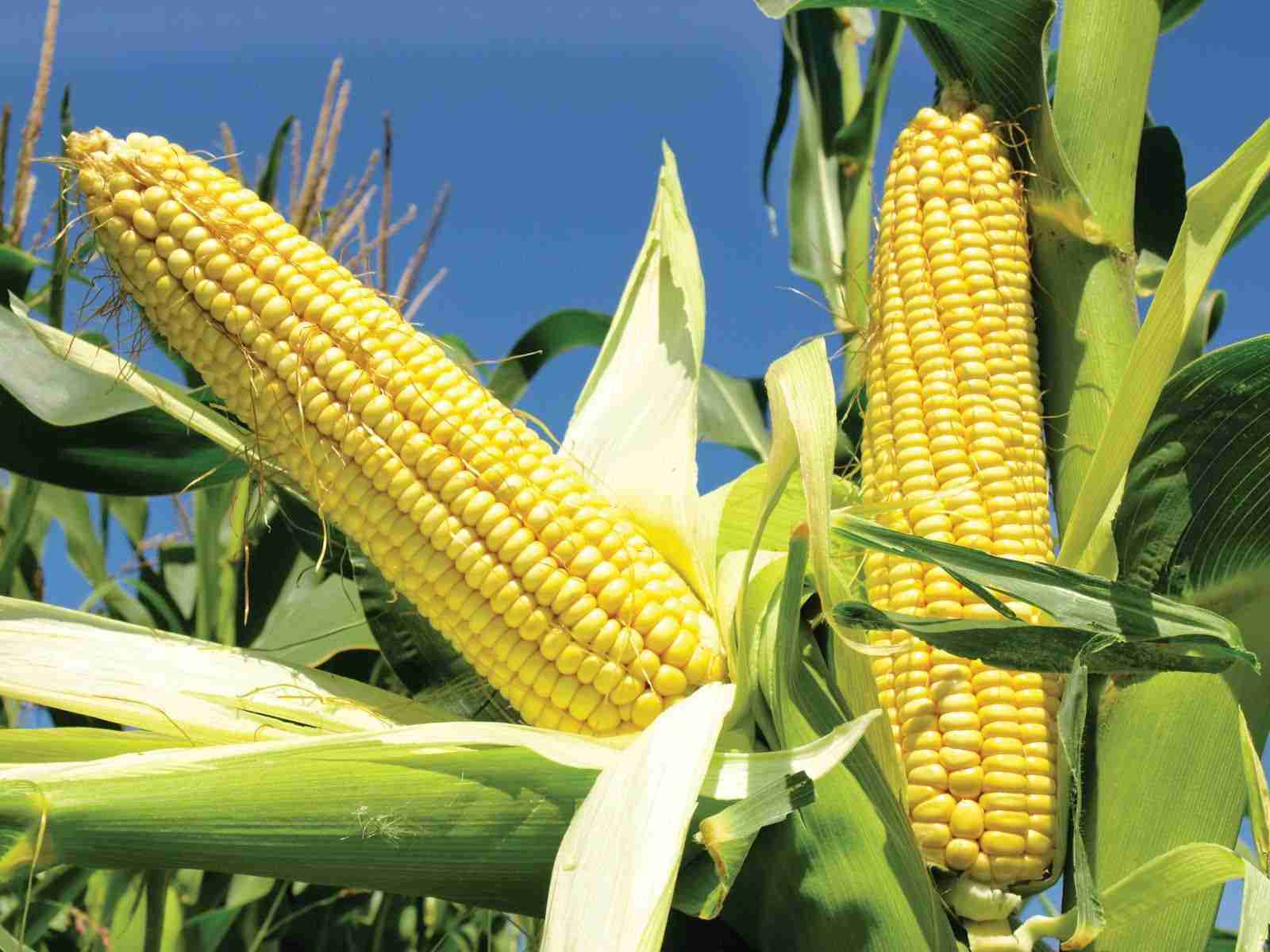
Understanding the Lifecycle of Corn from Harvest to Market
The journey of corn begins with the careful harvesting of mature kernels, often taking place during the late summer and early autumn months. Farmers utilize a range of machinery, known as harvesters, that gently strip the ears from the stalks while minimizing damage. After harvesting, the corn undergoes a thorough cleaning process to remove debris and any unwanted plant material. Post-harvest, the kernels are dried to reduce their moisture content, preparing them for storage and preventing spoilage. This stage is vital as it impacts the overall quality of the corn and its market value. Key factors during this phase include:
- Drying Techniques: Utilizing various methods such as forced air drying or natural sun drying.
- Storage Conditions: Ensuring proper ventilation and temperature control to maintain quality.
Once cleaned and dried, corn enters the processing phase, where it is transformed into a variety of products. This includes everything from cornmeal and corn syrup to more specialized ingredients like high-fructose corn syrup. The processing facilities employ advanced technology to refine these products, incorporating steps such as grinding, cooking, and fermenting. The final products are then packaged and transported, often reaching grocery stores or food manufacturers for consumer sale. Below is a simplified overview of some common products derived from corn:
| Product | Usage |
|---|---|
| Cornmeal | Baking and breading |
| Corn Syrup | Sweetener in beverages and confections |
| Animal Feed | Nutrition for livestock |
| Ethylene Glycol | Anti-freeze in vehicle engines |

Innovative Techniques in Corn Processing and Storage
The advancement of technology has significantly transformed how corn is processed, leading to heightened efficiency and reduced waste. One notable technique is high-temperature short-time (HTST) processing, which allows for the rapid heating of corn to eliminate pathogens while preserving its nutritional value and flavor. This method not only shortens the cooking time but also minimizes energy use, making it a sustainable option. Additionally, the application of enzymatic treatments can enhance the extraction of corn’s valuable components, such as oils and proteins, which are often left behind in traditional processing. This technique not only creates more value-added products but also contributes to a zero-waste philosophy in food production.
When it comes to storage, advanced refrigeration technologies provide innovative solutions for maintaining corn quality post-harvest. Controlled atmosphere storage, where oxygen and carbon dioxide levels are meticulously regulated, can significantly prolong the shelf life of corn by slowing down respiration and delaying spoilage. Furthermore, smart storage solutions, equipped with sensors and IoT capabilities, allow for real-time monitoring of temperature and humidity, ensuring optimal storage conditions. These systems are accompanied by user-friendly interfaces that provide alerts and analytics, enabling farmers and distributors to make informed decisions about storage management, thereby safeguarding the corn’s quality from field to fridge.

Sustainability Practices for a Greener Corn Supply Chain
In an era where environmental concerns dominate conversations, integrating sustainability into the corn supply chain is not just a best practice but a necessity. Farmers and producers are adopting eco-friendly techniques that limit the environmental impact of corn cultivation. These practices include:
- Crop Rotation: Alternating corn with legumes and other crops to enhance soil health.
- Minimal Tillage: Reducing soil disturbance to promote biodiversity and decrease erosion.
- Integrated Pest Management: Utilizing natural pest control methods to reduce reliance on chemical pesticides.
Sustainability extends beyond the fields, influencing every aspect of the corn journey to your table. Processing facilities can take significant steps toward reducing waste and energy consumption. Practices such as:
- Utilizing By-Products: Converting corn husks and stalks into bioenergy or animal feed.
- Water Recycling Systems: Implementing systems that treat and reuse water within the facility.
- Renewable Energy Sources: Shifting towards solar or wind energy to power operations.
>
| Practice | Benefit |
|---|---|
| Crop Rotation | Enhances soil fertility and biodiversity |
| Minimal Tillage | Reduces soil erosion and retains moisture |
| Water Recycling | Lowers water usage and operational costs |

Maximizing Nutritional Value: Enhancing Corn Products for Consumers
As corn journeys from field to fridge, the emphasis on enhancing its nutritional value emerges as an essential focus for both producers and consumers. Innovative processing methods—such as fermentation, extrusion, and fortification—play a pivotal role in maximizing the health benefits of corn products. By employing techniques that not only retain but also amplify essential nutrients, manufacturers can offer consumers enriched options that align with modern dietary needs. Key enhancements include:
- Fermentation: Boosts probiotic content, promoting gut health.
- Extrusion: Increases digestibility and nutrient absorption.
- Fortification: Incorporates vitamins and minerals to combat nutrient deficiencies.
To showcase the impact of these enhancements, the following table outlines some common corn-based products and their fortified nutritional profiles:
| Product Type | Standard Nutritional Value | Enhanced Nutritional Value |
|---|---|---|
| Cornmeal | Protein: 5g, Fiber: 3g | Protein: 5g, Fiber: 4g, Vitamin B12: 2µg |
| Corn Flour | Carbs: 24g, Fiber: 2g | Carbs: 24g, Fiber: 3g, Iron: 1.5mg |
| Corn Chips | Fat: 8g, Sodium: 150mg | Fat: 7g, Sodium: 130mg, Omega-3: 600mg |
This focus on health not only engages consumers in making better food choices but also drives a market evolution that values transparency and nutritional density. By understanding the full potential of corn, producers can craft products that not only satisfy taste preferences but also nourish the body.
To Conclude
As we reach the end of our exploration into the journey of corn from field to fridge, we find ourselves in a landscape rich with innovation, tradition, and sustainability. This versatile crop, cultivated with care and harvested with intent, undergoes a remarkable transformation as it travels through various stages of processing. From the gentle hands of farmers nurturing the golden fields to the precise machinery that refines it into an array of products, each step in this journey underscores the connection between agriculture and the daily lives of consumers.
With an ever-growing demand for efficiency and sustainability, the corn industry continues to evolve, embracing new technologies and practices that not only aim to enhance quality but also to respect our planet. As you reach for that next can of sweet corn, bag of popcorn, or bottle of corn syrup, take a moment to appreciate the intricate path it has traveled to arrive on your table.
In a world where food systems are continually being scrutinized and optimized, understanding the journey of corn is essential. It invites us to consider not only the value of the food we consume but also the hands and hearts behind it. So, as the sun sets over the cornfields, casting long shadows over the patchwork of green and gold, let this journey inspire a greater appreciation for the simple yet profound path that brings nourishment to our plates.



