
In the heart of the grain industry lies a fascinating intersection of tradition and innovation: cereal milling. Often overlooked, this intricate process transforms humble grains into the cornerstone of our daily diets, shaping the very foundation of breakfast tables around the world. From the rhythmic thud of millstones to the hum of modern machinery, cereal milling is a harmonious blend of art and science, where centuries-old techniques meet cutting-edge technology. In this exploration, we peel back the layers of grain processing, revealing not only the meticulous methods that define milling but also the botanical wonders that grains themselves embody. Join us on a journey through the world of cereal milling, where every grain tells a story, and each process contributes to the rich tapestry of our culinary heritage.
The Journey from Grain to Flour: Understanding the Milling Process
The journey of transforming grain into flour is as intricate as it is fascinating, weaving together age-old traditions and cutting-edge technology. The milling process begins with the careful selection of high-quality grains, such as wheat, corn, or rye. These grains undergo a thorough cleaning process to remove impurities and foreign materials, ensuring only the best quality kernels are set for milling. Once cleaned, the grains are subjected to conditioning, where moisture is adjusted to enhance the milling capabilities, allowing for optimum flour extraction. This pivotal step is critical as it prepares the grain for the mechanical forces it will encounter during the milling process.
When it comes to the actual milling, the grains are passed through a series of rollers and sieves that break them down into smaller particles. The first phase involves coarsely breaking the grains apart, followed by gradual refining through successive milling stages. With each pass, the grain is reduced into finer and finer flour, which can be categorized based on texture and extraction rates. The intricate machinery used ensures a delicate balance of pressure and speed, forming the perfect flour output, whether it be for artisan bread baking, pastries, or specialty flours. To illustrate the differences in flour types and their corresponding protein content, see the table below:
| Type of Flour | Protein Content (%) | Common Uses |
|---|---|---|
| All-Purpose Flour | 10-12 | Baking a variety of goods |
| Bread Flour | 12-14 | Making yeast breads |
| Cake Flour | 7-9 | Light, tender cakes |
| Whole Wheat Flour | 13-15 | Hearty breads and loaves |
Exploring the Varieties of Grains: Choosing the Right Ingredient
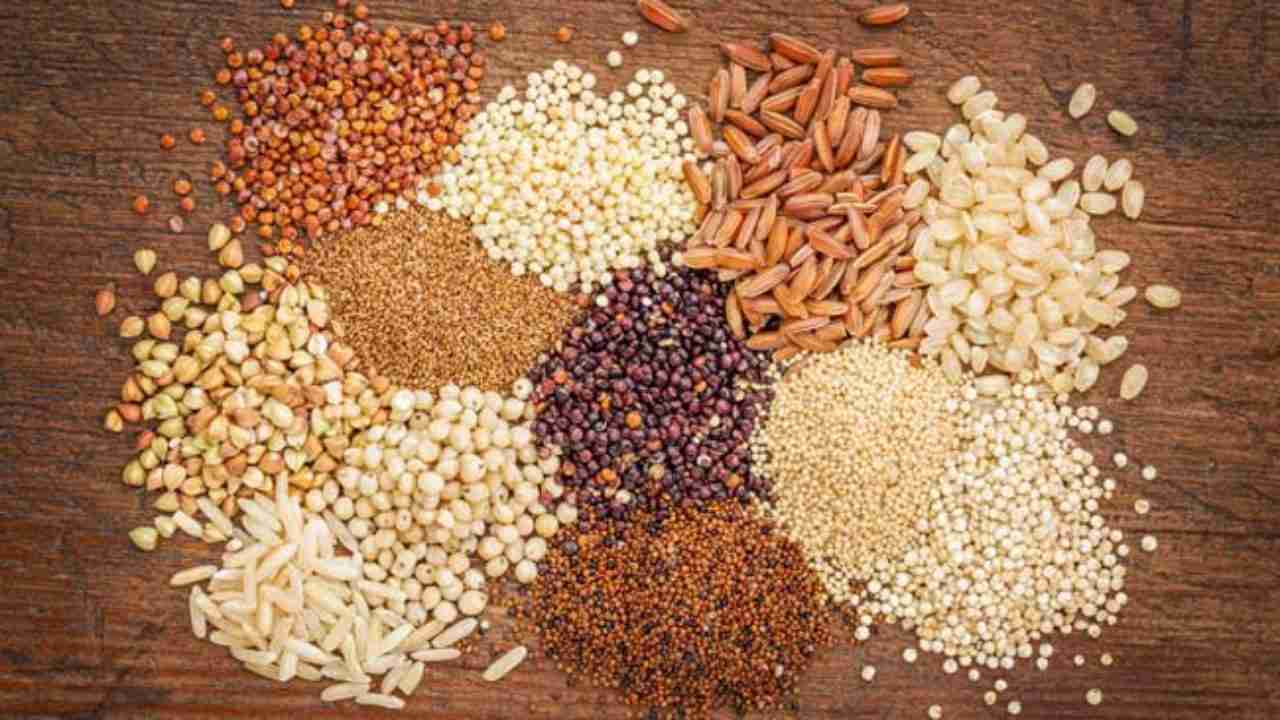
Grains serve as the backbone of countless culinary delights, but the wide array of options can often leave chefs and home cooks alike wondering which grain best suits their dish. The characteristics of each grain vary widely, impacting everything from texture to flavor, and understanding these differences can be the key to elevating any recipe. When selecting a grain, consider factors such as nutritional content, cooking time, and culinary applications. Here are a few popular grain varieties along with their unique qualities:
- Quinoa: A complete protein that’s both gluten-free and versatile, perfect for salads or as a side dish.
- Basmati Rice: Aromatic and long-grained, ideal for Indian and Middle Eastern cuisine.
- Barley: Rich in fiber, this hearty grain works wonders in stews and soups.
- Farro: An ancient grain with a chewy texture, great for salads and grain bowls.
- Polenta: Made from ground corn, offering a creamy base for a variety of toppings.
To further aid in your decision-making, consider the following table comparing the cooking times and primary uses of these grains. Choosing the right ingredient isn’t just about flavor; it’s about how the grain interacts with the other components of your dish, contributing to overall texture and nutritional balance.
| Grain | Cooking Time (minutes) | Primary Use |
|---|---|---|
| Quinoa | 15 | Salads, sides |
| Basmati Rice | 20 | Curries, pilafs |
| Barley | 30 | Soups, risottos |
| Farro | 30 | Grain bowls, salads |
| Polenta | 30 | Base for toppings |

The Role of Technology in Modern Milling: Innovations and Techniques
In the ever-evolving landscape of cereal milling, technology has emerged as a catalyst for efficiency, precision, and sustainability. One of the most significant innovations includes the integration of automation and smart technologies, allowing mills to optimize production processes through real-time data analytics. By employing advanced sensors and machine learning algorithms, mill operators can now monitor their equipment for performance and identify wear and tear proactively, minimizing downtime. Moreover, the rise of robotics in handling grain and streamlining workflows has drastically improved safety and labor costs, ensuring that operations run smoothly and efficiently.
Another transformative aspect of modern milling is the application of sustainable practices powered by technological advances. Mills are increasingly adopting renewable energy sources, such as solar and wind power, to reduce their carbon footprint. Furthermore, innovations in grain storage and processing techniques, such as on-site hydration and controlled atmosphere storage, are enhancing the quality of the milled products while extending their shelf life. To illustrate the impact of these changes, the following table highlights key technological advancements and their benefits:
| Technology | Benefits |
|---|---|
| Automation Systems | Increased efficiency and reduced labor costs |
| Data Analytics | Real-time monitoring and predictive maintenance |
| Renewable Energy | Lower environmental impact and operational costs |
| Smart Storage Solutions | Enhanced product quality and longevity |

Enhancing Quality and Sustainability: Best Practices in Cereal Milling
In the quest for quality and sustainability within cereal milling, several best practices stand out as essential components for processors aiming to enhance their operations. A commitment to insourcing sustainable raw materials plays a pivotal role; by sourcing grains from local, organic farms, mills can not only ensure freshness but also reduce their carbon footprint. Additionally, implementing state-of-the-art milling technology minimizes waste by maximizing resource efficiency. This ensures that the entire grain is utilized effectively, resulting in higher yield and less by-product.
Moreover, integrating energy-efficient systems can significantly reduce operational costs while promoting sustainability. Mills are encouraged to adopt renewable energy sources, such as solar or wind, to power their operations. Here are key practices that can guide milling facilities in their sustainability efforts:
- Regular equipment maintenance: Ensures optimal performance and energy efficiency.
- Water conservation practices: Employing closed-loop systems to minimize water wastage.
- Waste management: Implementing recycling programs for hard-to-dispose materials.
- Employee training: Promoting awareness of sustainability among staff for improved practices.
Furthermore, tracking sustainability metrics is increasingly essential for measuring progress and demonstrating commitment. Mills can utilize a simple evaluation table to assess their achievements in sustainability, focusing on key performance indicators (KPIs) that reflect their environmental impact and quality standards. Below is a concise overview of essential metrics that can form the basis of a mill’s sustainability assessment:
| Metric | Description | Target Value |
|---|---|---|
| Energy Consumption | Average kWh per ton of product | <20 kWh |
| Water Usage | Liters per ton of product | <100 L |
| Packaging Waste | Percentage recycled | ≥75% |
| Local Sourcing | Percentage of ingredients sourced locally | ≥50% |
Closing Remarks
As we draw the curtains on our exploration of cereal milling, we hope this journey has shed light on the intricate ballet of art and science that elevates grains from simple fields to the breakfast tables of many. The careful orchestration of machinery, technique, and tradition not only transforms raw ingredients but also underlines the essential role of milling in our global food system.
From the hum of the millstones to the precise calibration of machines, each step is a testament to human ingenuity and the deep-rooted heritage of grain processing. As we take a step back, let us appreciate the follow-through of centuries of knowledge that continue to evolve, ensuring that each bowl of cereal serves not just as nourishment, but as a connection to our shared history and culture.
In celebrating the art of cereal milling, we embrace a complex tapestry woven from the threads of agriculture, science, and community. So next time you pour a serving of your favorite cereal, remember the meticulous process behind it—a delightful reminder that sometimes, the simplest meals have the most compelling stories.



