
Transforming Kernels: The Intricacies of Corn Processing
In the heartland of agriculture, where golden fields stretch under the vast sky, corn reigns supreme as one of the most versatile and widely cultivated crops on the planet. Beyond its role as a staple food source, corn is an essential element in various industries, from food and beverage to biofuels and pharmaceuticals. But what happens when the golden kernels are harvested? The journey from field to finished product is a complex tapestry woven with tradition, innovation, and technology. This article delves into the intricate processes of corn processing, exploring the methods that transform these humble grains into an array of valuable products. Join us as we uncover the fascinating layers of an industry that plays a pivotal role in shaping our economy and our diets, revealing the secrets that lie within each kernel.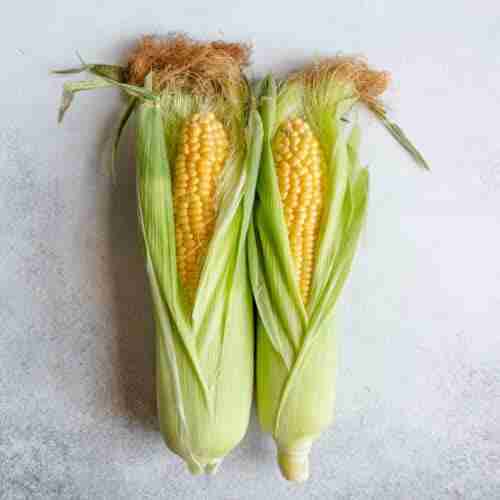
Understanding Corn Kernels and Their Varieties
Corn kernels, the edible seeds of the maize plant, come in an array of varieties, each contributing unique characteristics to the culinary and agricultural landscape. The primary types of corn include dent corn, commonly used for animal feed and food products; sweet corn, favored for its high sugar content and enjoyed fresh or canned; and flint corn, known for its hard outer shell and vibrant colors. Each kernel type epitomizes a distinct culinary journey, serving purposes ranging from grain production to mouthwatering snacks. Understanding these kernels lays the groundwork for appreciating their transformation during processing.
Moreover, the processing of corn kernels results in a multitude of products, each steeped in both culinary and industrial significance. For instance, after harvesting, corn undergoes several steps, including drying and milling, which allow it to yield various derivatives. Some of these transformations yield products like cornmeal or corn syrup, both staples in many kitchens worldwide. The table below outlines some common corn products and their applications:
| Corn Product | Application |
|---|---|
| Cornmeal | Cooking, baking, and breadmaking |
| Corn Starch | Thickening sauces and gravies |
| Corn Oil | Cooking and frying |
| Corn Syrup | Sweetening and preserving |

Innovative Techniques in Corn Processing
In the ever-evolving world of corn processing, innovation is the key to unlocking the full potential of this versatile crop. From traditional methods to modern technologies, processors are continuously seeking ways to enhance efficiency and sustainability. Some notable innovative techniques include:
- Dry Milling Technology: This method allows for the separation of corn into its various components, yielding high-quality products such as cornmeal and grits while minimizing waste.
- Wet Processing Advances: Utilizing enzymes and advanced filtration systems, wet milling can now produce valuable by-products like glucose and high fructose corn syrup with increased precision.
- Biotechnology Applications: Genetic modification and breeding techniques enable the creation of corn varieties with enhanced nutritional profiles and improved resistance to pests, ensuring higher yields.
Furthermore, as sustainability becomes a global imperative, processors are exploring eco-friendly practices. Techniques such as:
| Technique | Description |
|---|---|
| Biogas Production | Utilizing corn waste to generate renewable energy, reducing carbon footprints. |
| Water Recycling Systems | Innovative filtration processes that conserve water used during processing. |
| Closed-loop Supply Chains | Implementing strategies where by-products are reused, minimizing waste throughout the processing chain. |
This combination of cutting-edge technology and sustainable practices not only enhances productivity and profitability but also aligns corn processing with the growing demand for environmentally responsible production methods.
Nutritional Value and Culinary Applications of Processed Corn
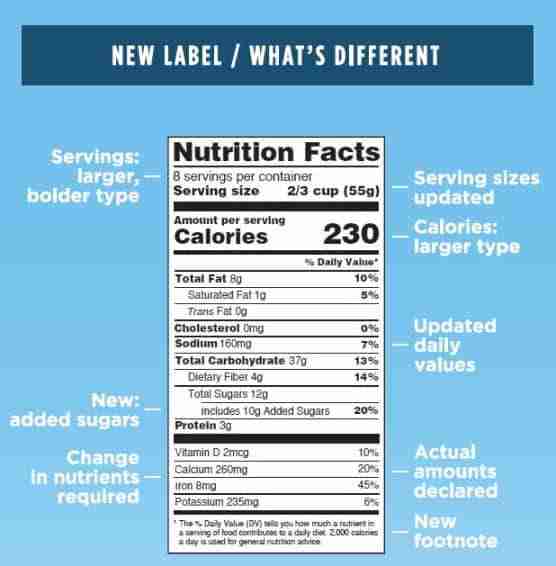
Processed corn is a versatile ingredient that packs a punch in terms of nutritional benefits. It serves as a source of essential vitamins and minerals, including B vitamins which contribute to energy metabolism, and iron that supports red blood cell production. Additionally, corn is rich in dietary fiber, which aids digestion and promotes a healthy gut. This superfood also contains various antioxidants, such as lutein and zeaxanthin, known for their role in eye health. When consumed in its processed forms—like cornmeal, corn syrup, or corn oil—it maintains much of its nutrients while offering convenient options for modern cooking.
The culinary applications of processed corn are as expansive as its nutritional profile. Its adaptability allows it to be utilized in myriad ways, from tortillas and polenta to snack foods and baking. Common applications include:
- Thickening agent: Corn starch enhances the texture of sauces and gravies.
- Sweetener: Corn syrup is a popular ingredient in desserts and beverages.
- Gluten-free options: Corn-based products provide alternatives for those with gluten sensitivities.
To give a better perspective on its nutritional value, the following table summarizes the key nutrients found in a typical serving of processed corn:
| Nutrient | Amount per 100g |
|---|---|
| Calories | 365 |
| Carbohydrates | 74g |
| Protein | 9g |
| Fat | 4.7g |

Sustainable Practices in Corn Production and Processing
In the quest for environmentally friendly agriculture, innovative techniques are reshaping how corn is grown and processed. Farmers are increasingly adopting crop rotation and cover cropping methods, which enhance soil health and biodiversity. By alternating corn with legumes or other crops, they can improve nutrient cycling and minimize pest buildup. Additionally, integrating no-till farming practices reduces soil erosion and conserves moisture, while also lowering carbon emissions by leaving the soil structure intact. This sustainable approach not only enhances the efficiency of corn production but also contributes to the resilience of agricultural ecosystems.
Processing corn sustainably is equally vital in addressing environmental concerns. Companies are now investing in renewable energy sources for processing facilities, utilizing biomass and solar energy to reduce their carbon footprint. Efficient water management practices, including closed-loop systems, significantly lower water usage during processing. Furthermore, many organizations are promoting the use of biodegradable packaging for corn products, which helps reduce plastic waste. These methods collectively cultivate a more sustainable corn economy, ensuring that both production and processing align with modern ecological standards.
| Practice | Benefit |
|---|---|
| Crop Rotation | Enhances soil fertility and pest control |
| No-Till Farming | Reduces erosion and conserves moisture |
| Renewable Energy Use | Lowers carbon footprint in processing |
| Biodegradable Packaging | Reduces environmental impact of waste |
Final Thoughts
As we conclude our exploration of the intricate world of corn processing, we find ourselves at the intersection of tradition and innovation. From the golden fields swaying gently in the breeze to the bustling facilities where science meets agronomy, the journey of a kernel is nothing short of remarkable. Each transformation, whether into sweet corn syrup, hearty tortillas, or biodegradable plastics, tells a story of human ingenuity and resilience.
In navigating the complexities of this age-old staple, we gain insight not only into the mechanics of processing but also into the profound economic and cultural significance of corn in diverse communities around the globe. As we continue to push the boundaries of what can be achieved with this versatile crop, it’s clear that the potential for transformation is limitless.
So, as we leave the cornfields behind and step into the future, let us take with us the lessons learned from the past and the promise of what’s yet to come. In every kernel lies a treasure trove of possibilities, waiting to be unlocked through creativity and technological advancement. The journey of corn may have many facets, but its ability to connect us, nourish us, and inspire us remains its most profound trait.



