
In the heart of cultures spanning continents, maize stands as a pillar of sustenance, woven intricately into the fabric of culinary traditions. From the vibrant street markets of Mexico to the bustling kitchens of West Africa, this humble grain speaks a universal language of nourishment and heritage. Yet, the true magic of maize transcends its mere existence; it unfolds in the age-old practice of milling—a delicate dance of art and science that transforms whole kernels into finely processed flour. In “Grinding Tradition: The Art and Science of Maize Milling,” we embark on a journey that delves into the techniques, tools, and cultural significance of this time-honored craft. Venture with us as we explore how generations of millers have harmonized tradition with innovation to preserve flavors while feeding communities, and discover the profound impact of maize milling on both diets and traditions around the world.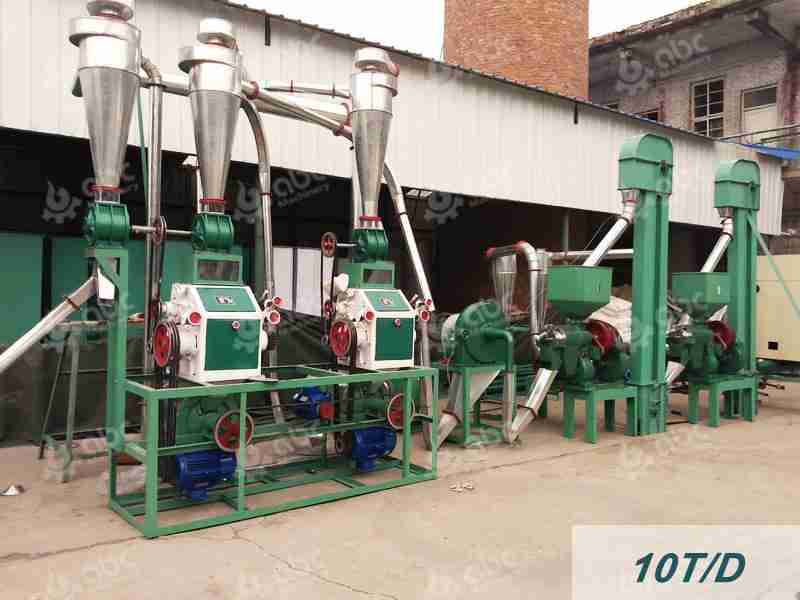
Exploring the Heritage of Maize Milling Techniques
The journey of maize milling encapsulates a rich heritage that intertwines the cultural, social, and technological evolution of societies. Various traditional techniques have been employed across different regions, each reflecting the unique characteristics of local maize varieties and the needs of communities. Among these methods, stone grinding stands out as one of the oldest, where rounded stones are used to crush the kernels, allowing for the preservation of natural flavors and nutrients. The process is labor-intensive, often involving skilled artisans who have honed their craft over generations. Other methods, like water-powered mills, illustrate how geographic resources shape milling practices, linking communities to their natural environment.
As we explore the science behind these techniques, we discover innovative approaches that merge tradition with modernity. Contemporary milling not only focuses on the efficiency of production but also emphasizes the importance of maintaining enzyme activity and nutritional content in maize flour. For instance, advancements in industrial milling technology have led to the creation of specialized equipment that streamlines the process while enabling precise control over grind size, which impacts the end product’s texture and taste. The table below succinctly captures key differences between traditional and modern milling methods:
| Aspect | Traditional Milling | Modern Milling |
|---|---|---|
| Equipment | Manually-operated stones or hand-cranked grinders | Automated machines with various settings |
| Efficiency | Low output, high labor involvement | High output, less manual labor |
| Nutritional Preservation | Higher due to minimal processing | Variable, depends on technology and controls used |
| Cultural Significance | Strong ties to local traditions | Often lacks cultural relevance |
Understanding the Science Behind Grain Structure and Milling
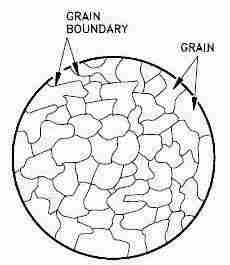
To appreciate the intricacies of maize milling, one must delve into the fascinating world of grain structure. Each kernel of maize is a miniature fortress, comprising three primary components: the pericarp (outer shell), the endosperm (starch-rich interior), and the germ (the seed embryo). The unique composition of these elements contributes not only to the kernel’s physical properties but also influences how the grain responds to various milling techniques. Factors such as moisture content, kernel hardness, and size can drastically affect the milling efficiency and the quality of the flour produced. A comprehensive understanding of these factors allows millers to tailor their processes for optimal results, preserving the essence of the grain while minimizing waste.
Milling techniques are not merely mechanical processes; they embody a deep connection to the science behind grain transformation. Traditional methods often value the artistry of stone grinding, which gently breaks down the maize without overheating it, thus preserving flavor and nutritional value. In contrast, modern approaches utilize more sophisticated innovations like roller mills, which create finer flour by passing the grain through a series of metal rollers. This method enhances efficiency but may compromise some nutritional aspects if not carefully monitored. The following table summarizes key differences between traditional and modern milling methods:
| Method | Advantages | Disadvantages |
|---|---|---|
| Stone Grinding |
|
|
| Roller Milling |
|
|
Preserving Flavor: The Role of Traditional Milling Methods
The allure of traditional milling methods lies not only in their time-honored techniques but also in their profound impact on the flavor profiles of maize. When grains are milled using traditional stone tools, such as granite or quartz, the process imparts a unique texture and taste to the flour. Unlike modern steel mills that generate heat through friction, traditional methods maintain a cooler milling temperature, preserving essential oils and vitamins found within the grains. This careful craftsmanship results in a flour that offers:
- Rich Flavors: The natural sweetness and earthy tones of maize are accentuated.
- Enhanced Nutritional Value: Nutrients are retained, contributing to a wholesome product.
- Unique Textures: A coarser grain contributes to a more authentic bite in dishes.
Furthermore, the art of traditional milling elevates the culinary experience through its cultural significance. Each region that adheres to these methods incorporates local varieties of maize, resulting in a stunning array of flavors and textures. A table illustrating the unique characteristics of different maize varieties highlights this aspect beautifully:
| Maize Variety | Flavor Profile | Common Uses |
|---|---|---|
| White Corn | Sweet, subtle | Polenta, tortillas |
| Yellow Corn | Rich, nutty | Grits, baking |
| Blue Corn | Earthy, slightly sweet | Tortillas, chips |
This connection to tradition not only preserves the rich flavors of maize but also honors the histories and stories of the communities that cultivate them. As more people seek authentic gastronomic experiences, the resurgence of traditional milling serves as a crucial reminder that flavor extends far beyond mere ingredients—it is a tapestry woven from culture, heritage, and craft.

Innovations in Milling Technology: Balancing Old and New Approaches
The landscape of maize milling is undergoing a remarkable transformation as traditional methods meet cutting-edge technology. Historically, the art of milling was steeped in time-honored techniques that emphasized craftsmanship and quality. In today’s world, however, the industry is witnessing a blend of innovative machinery and sustainable practices designed to enhance efficiency and produce higher quality flour. This synergy of the old and new not only maintains the rich heritage of milling but also paves the way for improved productivity and reduced environmental impact. The introduction of automated milling systems, for instance, offers precise control over the grinding process, thus ensuring consistent grain size and product uniformity.
While modernization offers significant advantages, the essence of traditional milling remains invaluable. Artisan millers still uphold practices that focus on flavor and nutritional integrity, often using stone grinding techniques that retain more nutrients and essential oils. To illustrate this balance, consider the following key points that highlight the contrast and compatibility between these approaches:
- Traditional Techniques: Focus on flavor, texture, and nutrient retention.
- Modern Technology: Emphasizes speed, efficiency, and scalability.
- Hybrid Systems: Combine the best of both worlds, leveraging precision while respecting tradition.
| Traditional Milling | Modern Milling |
|---|---|
| Artisanal production methods | Automated processes |
| Stone ground for flavor | Industrial-scale production |
| Direct community impact | Global supply chains |
In Summary
the intricate dance of tradition and innovation seen in maize milling reflects not just an agricultural process, but a profound cultural heritage. From the rhythmic sound of grinding stone to the efficiency of modern machinery, the journey of maize—from field to flour—showcases the artistry and scientific advancements interwoven through generations. As we navigate the landscape of global food production, understanding the nuances of maize milling becomes vital, reminding us of the importance of preserving traditional practices while embracing technological progress. This harmonious blend not only honors the roots of communities but also paves the way for a sustainable future. Whether you savor a warm tortilla or enjoy a bowl of polenta, the legacy of maize milling is a testament to the power of connection—between people, their food, and the land that nurtures them. As we reflect on the centuries of expertise embedded in this craft, may we continue to celebrate and innovate, honoring the past while cultivating a brighter future in every grain we grind.



