
In the ever-evolving realm of culinary innovation, where tradition meets technology, the humble yet versatile mini rice polisher emerges as a silent revolution in kitchens around the world. This compact device, often overlooked, boasts the potential to transform the way we approach one of humanity’s oldest staples: rice. Unlocking the secrets of mini rice polishers reveals not only their practicality but also the intricate craftsmanship involved in enhancing the quality of rice, preserving its flavor, and optimizing its nutritional value. As we delve into the myriad benefits and functionalities of these modern aids, we invite you to explore how they bridge the gap between age-old customs and contemporary convenience, redefining our daily cooking experiences. Join us on this enlightening journey to discover how a small machine can make a big impact in your culinary endeavors.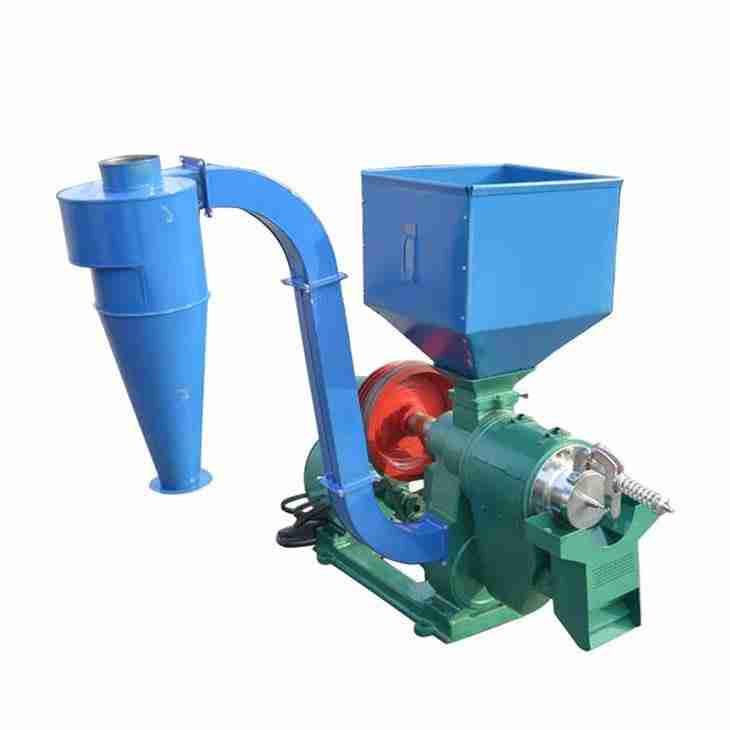
Exploring the Evolution of Mini Rice Polishers in Modern Kitchens
The journey of mini rice polishers has been remarkable, driven by technological advancement and the evolving needs of modern households. These compact appliances once served as simple grain cleaners but have transformed into sophisticated kitchen gadgets that combine efficiency with user-friendly features. Today’s mini rice polishers not only enhance the quality of the rice by removing impurities and polishing grains effectively, but they also prioritize nutritional retention. This innovation addresses concerns around healthy cooking, ensuring that essential nutrients remain intact even after the polishing process. Users now cherish these machines for their ability to deliver perfectly polished rice with minimal effort.
The versatility of mini rice polishers has expanded their role in contemporary kitchens, offering a range of functionalities that cater to diverse culinary needs. Many models now come equipped with features such as adjustable polishing times, varying textures, and even multi-grain capabilities. This evolution has sparked a growing popularity among both amateur cooks and seasoned chefs. Some key benefits include:
- Compact Design: Easily fits on kitchen countertops, making them ideal for small spaces.
- Energy Efficiency: Consumes less power compared to larger counterparts, saving energy and costs.
- User-Friendly Interfaces: Often equipped with digital displays and touch controls for ease of use.
| Feature | Benefit |
|---|---|
| Automatic Shut-off | Prevents over-polishing and preserves grain integrity. |
| Multiple Grain Settings | Customizes polishing for different types of rice and grains. |
| Quick Cleaning System | Facilitates easy maintenance for busy kitchens. |
As the popularity of health-conscious eating continues to rise, the mini rice polisher has carved its niche as a staple in modern culinary practices. With an emphasis on quality, convenience, and nutrition, these appliances are no longer mere gadgets but essential tools that enhance the cooking experience, reflecting a shift towards smarter and more responsible cooking solutions in every kitchen.

Key Features to Consider for Optimal Performance and Convenience
When exploring the world of mini rice polishers, several characteristics stand out to ensure both performance and user convenience. First, power efficiency is paramount; a model with a high wattage can significantly reduce processing time while ensuring a cleaner finish on the rice. Additionally, ease of cleaning and maintenance is crucial. Look for devices with removable parts or those designed with smooth surfaces to prevent residue build-up. Other features to consider include:
- Durability: Materials that withstand wear and tear.
- Size: Compact designs that fit easily in kitchen spaces.
- Noise Level: Quiet operation for a more pleasant cooking experience.
- Efficiency Rating: Energy consumption metrics to save on bills.
Another essential aspect is the capability of handling different rice varieties. A flexible polisher that accommodates everything from white rice to brown rice can broaden your culinary horizons. Moreover, user-friendly controls such as intuitive dials or touchscreen interfaces enhance the experience, allowing for smooth operation, even for novices. For an overview of how various models stack up in these key areas, refer to the following table:
| Feature | Model A | Model B | Model C |
|---|---|---|---|
| Power Efficiency | 500W | 600W | 450W |
| Noise Level | Quiet | Moderate | Quiet |
| Cleaning Ease | Removable Components | Fixed Design | Easy Clean |
Maintenance Tips for Longevity and Efficiency of Your Rice Polisher
To ensure your mini rice polisher operates at optimal levels and enjoys a prolonged lifespan, regular maintenance is key. Here are some essential practices to incorporate into your routine:
- Clean the exterior: Wipe down the machine regularly with a damp cloth to remove any dust and debris. This will keep the exterior looking new and prevent any potential buildup.
- Check the motor: Listen for any unusual noises during operation and ensure that the motor is functioning smoothly. If you hear grinding or excessive rattling, consult your user manual or a technician.
- Inspect the polishing chamber: Regularly examine the inside of the chamber for any residue or leftover grain particles. A thorough clean can prevent cross-contamination of flavors in different types of rice.
In addition to routine cleaning, scheduling comprehensive inspections can enhance your machine’s efficiency. Consider the following maintenance checkpoints:
| Maintenance Task | Frequency |
|---|---|
| Oil moving parts | Every 300 hours of use |
| Replace worn belts | Once a year |
| Calibrate settings | Every six months |
| Examine electrical connections | Monthly |
Culinary Benefits of Incorporating Polishers into Your Cooking Routine
The incorporation of mini rice polishers into your culinary routine opens up a treasure trove of benefits that can enhance both the flavor and nutritional profile of your meals. These compact devices expertly remove the outer husk and polish grains, leading to rice that not only looks visually appealing but also boasts improved texture. By using a rice polisher, you can experience:
- Enhanced Flavor: Polished rice often has a subtly sweet flavor that brings out the fullness of your dishes.
- Nutrient Accessibility: The gentle polishing process retains essential vitamins and minerals, especially when using whole grains.
- Versatility: Finnish various types of rice, including Arborio or jasmine, to suit diverse recipes and cooking styles.
Furthermore, mini rice polishers can also contribute to a more sustainable cooking practice. By opting to polish grains at home, you minimize waste and encourage the use of whole, less processed products. The benefits extend to your kitchen efficiency as well:
- Convenient Storage: Polished rice has a longer shelf life, reducing food spoilage.
- Customizable Processing: You can control the level of polishing to suit your personal preference, ensuring a tailored cooking experience.
- Educational Experience: Engaging in the polishing process can deepen your appreciation for the grains and their origins.
In Summary
As we peel back the layers of tradition and innovation, mini rice polishers emerge as a beacon of modern convenience in the age-old practice of rice processing. These compact machines not only save time but also enhance the quality of rice, bridging the gap between the farmer and the consumer with seamless efficiency. In a world where sustainability and quality often intersect, the mini rice polisher stands as a testament to how technology can honor tradition while propelling it into a brighter, more efficient future.
As we conclude our exploration, it becomes clear that the secrets of mini rice polishers extend beyond mere functionality—they embody a new era of agricultural advancement that supports livelihoods and promotes healthy eating. So whether you’re a farmer, a culinary enthusiast, or someone simply curious about innovations in food processing, embracing the possibilities offered by these tools can pave the way for an enriched rice experience. Let us continue to unlock these secrets, one polish at a time.



