
Behind the Bowls: The Science of Cereal Processing
As the sun rises and morning routines unfold, countless households across the globe share a ritual as familiar as breakfast itself: the pouring of cereal into a bowl. This simple act belies a complex world of science, innovation, and meticulous processing, transforming raw grains into the colorful, crispy delights that grace our tables. But what exactly happens behind the scenes, from the golden fields of grain to the neatly packaged boxes lining grocery store shelves? In this exploration of cereal processing, we delve into the fascinating intersection of agriculture, technology, and nutrition, unveiling the meticulous steps that ensure each spoonful delivers not just flavor, but also value. Join us as we unravel the layers of this iconic breakfast staple, revealing the artistry and science that keep consumers reaching for their favorite cereals, one satisfying crunch at a time.
Understanding Grain Selection in Cereal Production
Grain selection is a pivotal aspect of cereal production, as it directly influences not only the nutritional value but also the flavor and texture of the final product. Each grain type brings its own unique characteristics to the table, affecting everything from the cooking properties to the overall market appeal. Factors to consider in grain selection include:
- Varietal Differences: Different varieties within the same grain species can exhibit significant differences in taste, texture, and nutrient composition.
- Climate Suitability: Certain grains thrive in specific climatic conditions, which is essential for maximizing yield and quality.
- Pest Resistance: Selecting grains that are naturally resistant to pests can reduce the need for chemical pesticides, promoting sustainable practices.
Furthermore, the processing of these grains can transform them into a diverse array of cereal products. The choice of processing methods—such as milling, toasting, or flaking—further enhances their functional properties. Depending on the intended use, the grain’s protein content, moisture level, and hardness are critical metrics. The following table showcases the various grains and their processing suitability:
| Grain Type | Protein Content (%) | Preferred Processing Method |
|---|---|---|
| Wheat | 12-14 | Milling, Flaking |
| Oats | 10-12 | Toasting, Rolling |
| Rice | 7-8 | Parboiling, Milling |
| Corn | 8-10 | Grinding, Extruding |
The Role of Extrusion in Texture and Nutritional Value
Extrusion serves as a pivotal process in the transformation of raw cereal grains into the snap, crunch, and mouthfeel that cereal lovers adore. By cooking and forcing the ingredients through a die, extrusion alters not only the shape but also the texture of the final product. This technique allows for a variety of textures to be achieved, including:
- Crispy – Ideal for flakes and puffed cereals.
- Chewy – Perfect for granola and clusters.
- Smooth – Used in creamy breakfast options.
Moreover, extrusion can play a significant role in enhancing the nutritional profile of cereals. The high temperatures and pressures involved in the process can improve the bioavailability of nutrients, making vitamins and minerals easier for our bodies to absorb. Additionally, innovative formulations can be introduced during extrusion to fortify cereals with:
- Additional fiber for better digestive health.
- Vitamins that contribute to overall wellness.
- Protein for increased satiety and muscle repair.
The balance between texture and nutrition is essential, and with advancements in extrusion technology, manufacturers can create cereals that are both appealing and nourishing.
Preserving Flavor: The Science of Cereal Coatings
Coatings play a pivotal role in enhancing the taste and texture of breakfast cereals, transforming simple grains into delightful morning meals. By applying a thin layer of flavoring agents, manufacturers can not only boost palatability but also improve shelf life. The science behind these coatings involves selecting the right blend of ingredients that will adhere well to the cereal while providing an explosion of flavor. Some commonly used components include:
- Sweeteners: Sugar, honey, and natural extracts like agave.
- Flavoring agents: Vanilla, chocolate, fruit essences, and spices.
- Texture enhancers: Starch or maltodextrin for crunchiness.
- Coloring additives: Natural colorants that enhance visual appeal.
The method of applying these coatings can significantly impact the final product. Typically, cereal grains are passed through a spraying mechanism where the mixture is distributed evenly over the surface. This technique helps in achieving a consistent taste profile while retaining the essential qualities of the grain. Various coating technologies, such as extrusion or drum coating, are employed to ensure that the layers adhere properly without compromising the crunchiness of the cereal. Below is a simple table summarizing popular coating technologies:
| Coating Technology | Description | Advantages |
|---|---|---|
| Spray Coating | Evenly coats grains by spraying liquid mixtures. | Uniform flavor and quick application. |
| Drum Coating | Utilizes rotating drums to coat cereals with powders. | Enhanced flavor encapsulation and texture. |
| Extrusion | Mixes and cooks ingredients under pressure and heat. | Creates unique shapes and textures. |
Packaging Innovations and Their Impact on Shelf Life
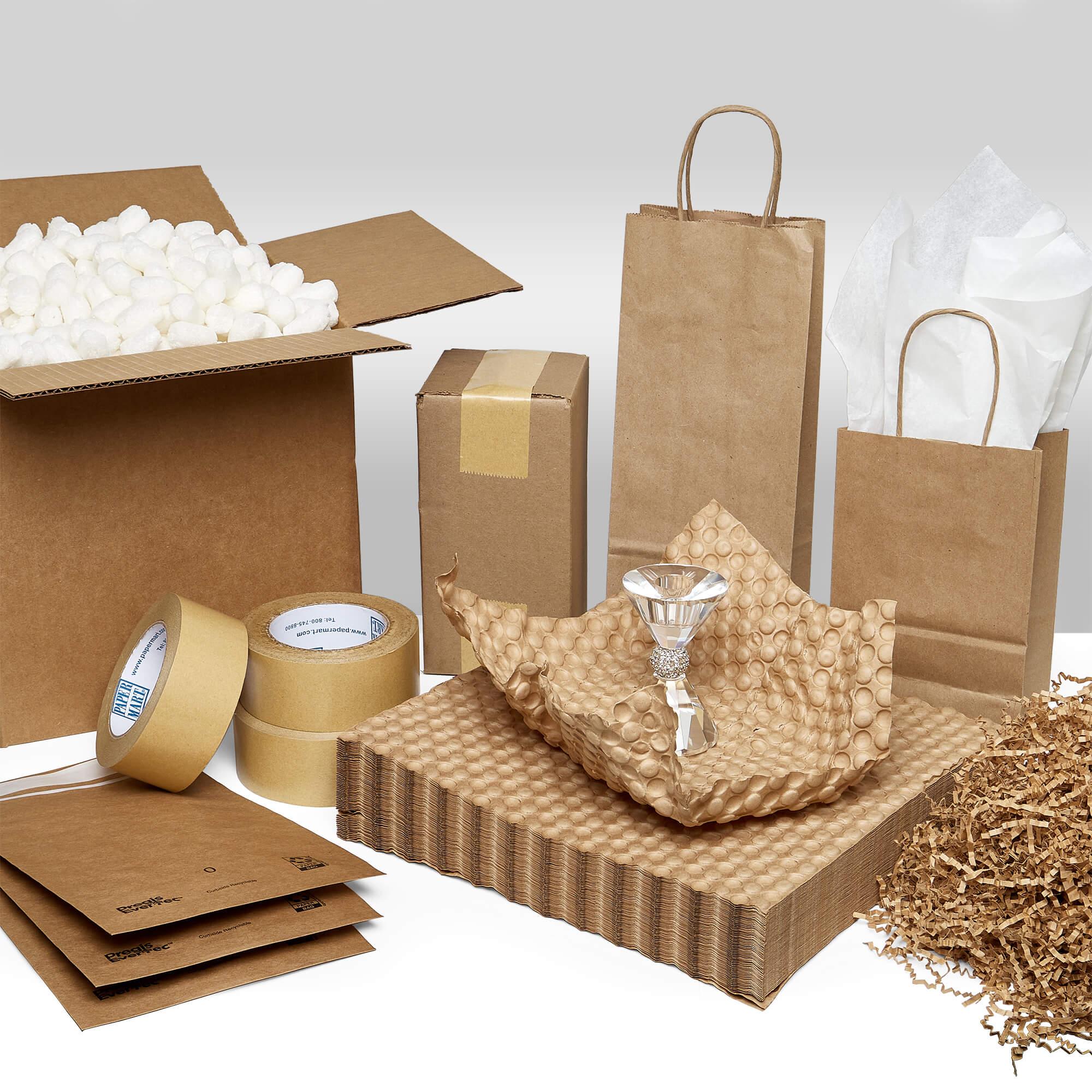
The journey from the production line to the breakfast table is greatly influenced by the innovations in packaging technologies. Modified Atmosphere Packaging (MAP) and Vacuum Sealing are two prominent techniques that have gained traction in recent years. These methods significantly enhance a cereal’s shelf life by replacing airborne oxygen within the package with inert gases, which slows down the oxidation process and helps preserve flavor and nutritional value. Additionally, recyclable and biodegradable materials are emerging in the packaging landscape, appealing to the environmentally conscious consumer while maintaining the integrity of the product. The interplay of these technologies not only extends the freshness of cereals but also reduces the impact on landfill waste, making them a win-win for both manufacturers and consumers.
Moreover, the incorporation of moisture and light barriers has become a critical feature in cereal packaging. By utilizing high-barrier films and opaque containers, producers can effectively shield their products from environmental factors that contribute to spoilage. This innovation facilitates longer shelf life while ensuring that the taste and texture remain appealing. The impact on consumer choice is evident, as many shoppers now look for products that signal freshness and quality through their packaging. For manufacturers, understanding the linkage between packaging design and shelf stability is essential; hence, rigorous testing and development have become standard practices in the industry.
| Packaging Innovation | Impact on Shelf Life |
|---|---|
| Modified Atmosphere Packaging (MAP) | Slows down oxidation, preserves flavor |
| Vacuum Sealing | Reduces spoilage by removing oxygen |
| Moisture Barriers | Prevents sogginess and extends crunchiness |
| Opaque Containers | Protects contents from light exposure |
Closing Remarks
As we conclude our journey through the intricate world of cereal processing, it’s clear that beneath the colorful packaging and catchy slogans lies a complex interplay of science and craftsmanship. From the careful selection of grains to the precise techniques of toasting and flavor enhancement, the journey of your morning bowl is a testament to innovation and tradition. Understanding these processes not only enriches our appreciation for such a staple food but also reminds us of the remarkable feats of engineering and chemistry that bring convenience to our breakfast tables. So the next time you pour your favorite cereal, take a moment to reflect on the myriad of hands and minds that shaped it, transforming simple grains into a crunchy canvas ready to start your day. As we delve deeper into the stories behind our food, we uncover the fascinating connections between science, sustainability, and our daily nourishment, paving the way for a future where our choices can be guided by both knowledge and taste.



