
Unlocking the Power of Maize: The Art of Milling
In the vast tapestry of global agriculture, few crops have woven themselves into the fabric of human civilization as seamlessly as maize. From the sun-kissed plains of North America to the bustling markets of West Africa, maize stands as a testament to resilience, adaptability, and culinary versatility. Yet, beyond the vibrant fields and hearty dishes lies a transformative process that elevates this golden grain from cob to powder—the art of milling. This article delves into the intricate world of maize milling, where tradition meets innovation, and explores how this age-old practice not only nourishes communities but also unlocks the full potential of one of Earth’s most vital food sources. Join us on a journey that celebrates the craftsmanship of millers and the myriad of possibilities that lie within each kernel of maize.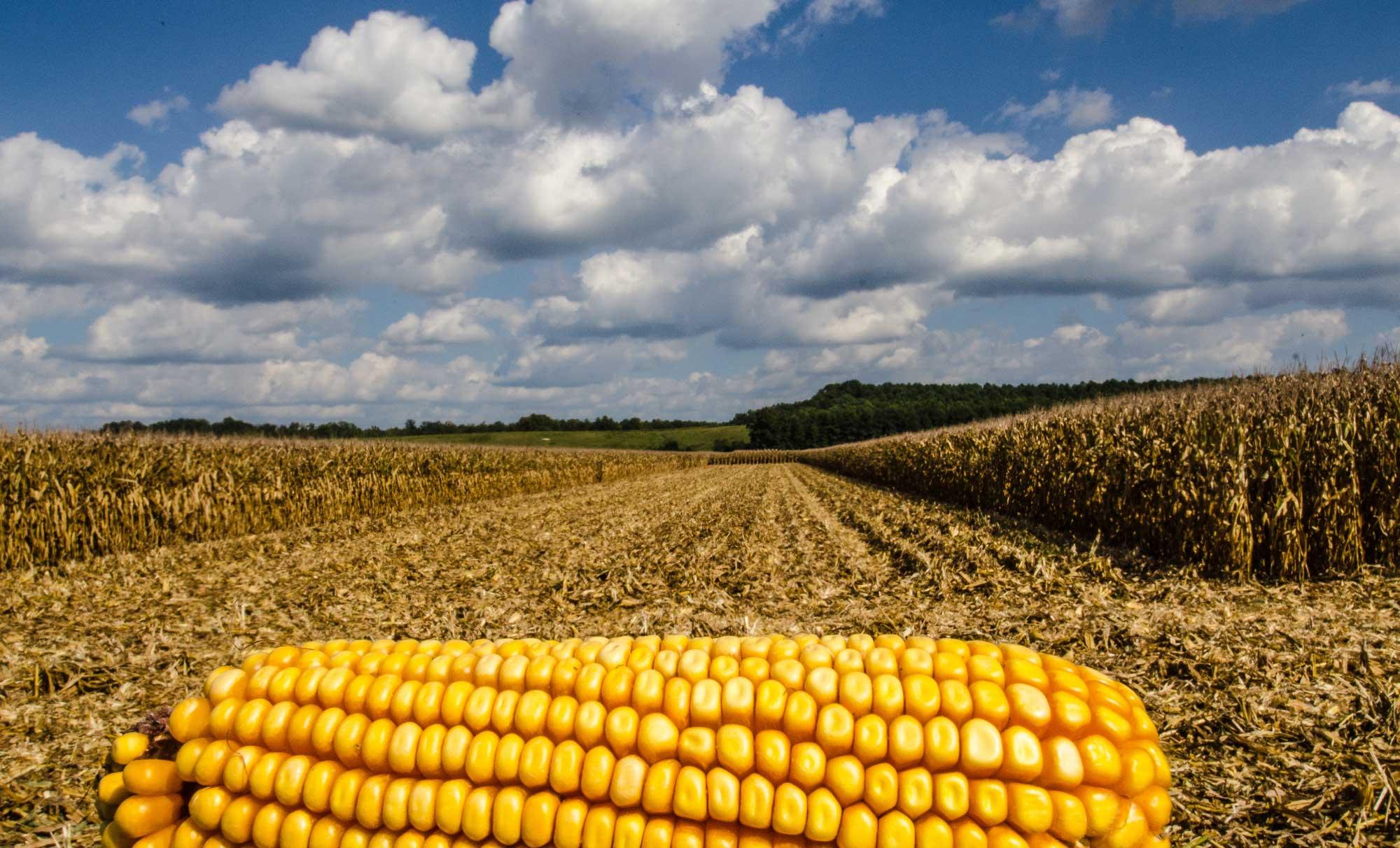
Understanding Maize: Varieties and Their Unique Qualities
Maize, known for its versatility and adaptability, comes in several varieties, each uniquely suited to specific culinary and agricultural applications. Among them, dent corn stands out for its high starch content, making it ideal for producing cornmeal and masa used in tortillas. In contrast, sweet corn, with its high sugar content, is enjoyed fresh, grilled, or canned. The grain’s texture and flavor profiles vary significantly depending on the variety, influencing how they behave during milling. Flint corn, characterized by its hard kernels, is favored for its durability and is often used in polenta, while popcorn has a unique popping attribute due to its moisture content and structure, fitting into a different culinary sphere altogether.
Each type brings distinct qualities that can enhance any dish or product. When milled, the grain’s original attributes dictate the final texture and taste of the flour. For example, milling yellow corn yields a coarser product that is ideal for rustic breads, while white corn creates a finer meal, often used in delicate recipes such as cornbread. The milling process itself can retain or enhance these qualities, through methods such as stone milling, which preserves the grain’s oils and flavor, versus hammer milling, which is faster but may strip away some nutrients. As farmers and chefs continue to explore the potential of maize, understanding these varieties and their specific characteristics can lead to innovative and delicious outcomes in culinary experiences.
| Variety | Key Characteristics | Common Uses |
|---|---|---|
| Dent Corn | High starch content | Cornmeal, tortillas |
| Sweet Corn | High sugar content | Fresh eating, grilling |
| Flint Corn | Hard kernels | Polenta, corn flour |
| Popcorn | Popping attribute | Snacks, movie theater popcorn |

The Milling Process: Techniques for Optimal Texture and Flavor
The journey from maize to a finely milled product involves a careful orchestration of techniques designed to enhance both the texture and flavor of the final product. At the heart of this process is the choice of milling method. Different techniques yield varying results; stone milling for instance, preserves more of the grain’s natural oils and nutrients, producing coarser textures that lend depth to dishes. Meanwhile, roller milling offers a more refined flour, ideal for those seeking a lighter texture. Each method can be tailored further through adjustments in moisture content and temperature during the milling process, ensuring that the robust flavors of maize are captured in every grain.
Moreover, the milling process can be complemented by the incorporation of pre-conditioning, which softens the kernels before milling. This step not only optimizes output but also enhances flavor retention by preventing kernel damage. Additionally, flavor profiles can be enriched through various techniques, such as the inclusion of nixtamalization, a traditional method that elevates the taste and digestibility of maize. Understanding these diverse milling techniques allows producers to unlock the full potential of maize, transforming it into a burgeoning array of culinary delights.
| Milling Method | Texture | Flavor Profile |
|---|---|---|
| Stone Milling | Coarse | Rich, Nutty |
| Roller Milling | Fine | Light, Subtle |
| Nixtamalization | Transformative | Deep, Earthy |
Enhancing Nutrition: The Health Benefits of Whole-Grain Maize
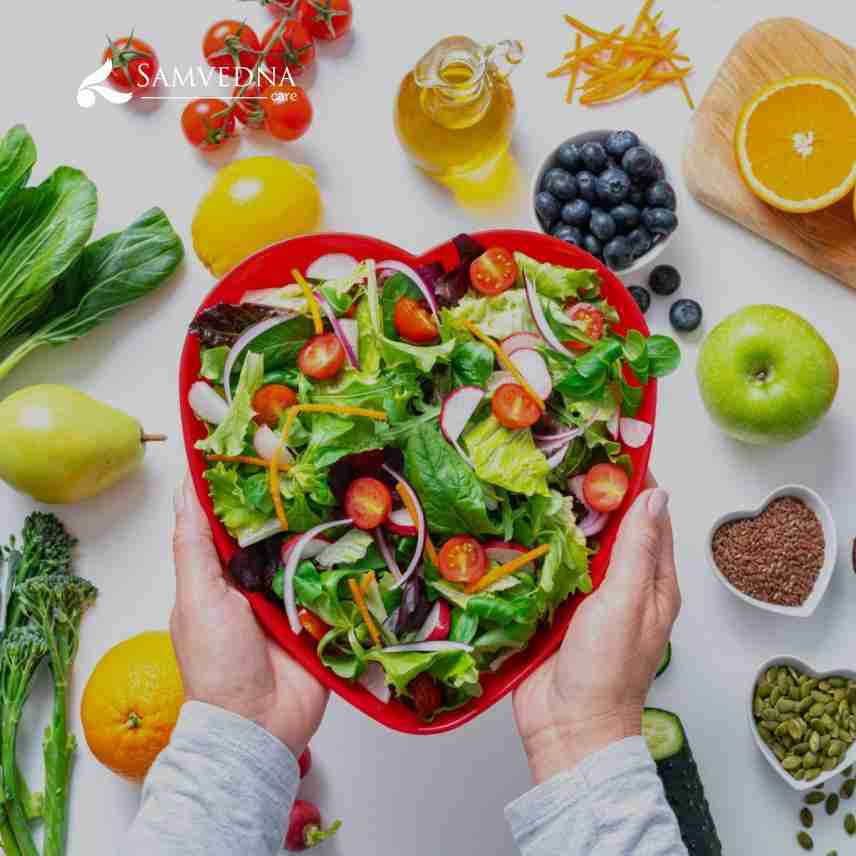
Whole-grain maize is a powerhouse of nutrition, offering a wealth of benefits that go beyond mere sustenance. Rich in dietary fiber, it aids in digestion and helps maintain a healthy gut, while also promoting a feeling of fullness that can assist in weight management. Additional key nutrients found in whole-grain maize include:
- Vitamins B1 and B3: Essential for energy production and metabolism.
- Iron: A vital mineral necessary for transporting oxygen in the blood.
- Antioxidants: Compounds that combat oxidative stress to promote overall health.
Moreover, the complex carbohydrates present in whole-grain maize provide a steady release of energy, making it an ideal choice for those seeking long-lasting stamina during their daily activities. Unlike refined grains, whole grains maintain their nutrient density and include the bran and germ, which are often stripped away during processing. A simple comparison of whole-grain and refined maize reveals these differences:
| Nutritional Component | Whole-Grain Maize | Refined Maize |
|---|---|---|
| Dietary Fiber | 7g | 2g |
| Vitamin B1 (Thiamine) | 0.20mg | 0.10mg |
| Iron | 0.45mg | 0.20mg |
Innovative Uses: Exploring Culinary Applications and Creative Recipes
Maize, with its rich versatility, can be transformed into an array of culinary delights that go far beyond traditional uses. From the vibrant street corn of Central America to the comforting hushpuppies of southern U.S. cuisine, the possibilities are extensive. Cornmeal, derived from finely milled maize, can serve as the base for a variety of dishes, including:
- Polenta – A creamy, comforting dish that can be served soft or allowed to set and grilled.
- Arepas – A staple in Venezuelan and Colombian cuisines, these corn cakes can be filled with cheese, meats, or vegetables.
- Corn Tortillas – Essential for tacos and enchiladas, these provide a delightful texture and flavor.
Moreover, maize’s range extends to beverages as well, with masa (a dough made from treated corn) forming the basis for refreshing horchata. This drink, infused with cinnamon, is a traditional favorite that showcases maize’s adaptability. For those looking to explore the sweet side, creating corn syrup from the natural sugars in maize can elevate desserts such as:
- Corn Pudding – A sweet, custard-like dish that pairs perfectly with savory meals.
- Sweet Corn Ice Cream – A surprising yet delicious dessert that captures summer’s essence.
- Maple-Corn Bars – A unique treat that blends the natural sweetness of maize with classic flavors.
| Culinary Application | Description |
|---|---|
| Polenta | Ground maize cooked in water to form a creamy dish. |
| Arepas | Stuffed corn cakes, customizable with various fillings. |
| Corn Syrup | A sweetener derived from maize, used in desserts. |
Insights and Conclusions
As we draw to a close on our exploration of milling maize, it becomes clear that this humble grain holds not just nutritional value but also a rich tapestry of cultural significance and culinary potential. The intricate dance of transforming whole kernels into fine flour is a testament to human ingenuity and the enduring legacy of traditional practices.
In this journey, we have uncovered the multifaceted nature of maize—from its origins in ancient civilizations to its modern role in global cuisine. The art of milling, with its attention to detail and respect for heritage, invites us to embrace not just the end product but the entire process, reminding us that food is not merely sustenance but a connection to our past and a bridge to future innovation.
As you consider the role maize plays in your own kitchen, let it inspire you to explore new recipes, experiment with textures, and appreciate the labor that goes into each bite. The next time you savor a freshly made tortilla or a rustic loaf of bread, take a moment to reflect on the journey of the maize that made it possible—one that melds tradition with creativity, forging a path for many meals to come.
In unlocking the power of maize, we unlock not just the potential of an ingredient, but also an avenue for sustainable practices that can nourish our bodies and our communities. May this exploration of milling inspire you to engage with your food, fostering a deeper connection with the ingredients that grace your table.



