
Unveiling the Art of Cereal Milling: A Grain’s Journey
In the heart of every breakfast bowl lies a story woven through time and innovation—one that begins far from the tables we gather around. Cereal milling, often overlooked in the hustle of our fast-paced lives, is a fascinating process that transforms humble grains into the products we consume daily. From golden fields kissed by the sun to the intricate machinery of modern milling facilities, this journey of grain is both an art and a science. As we peel back the layers of this age-old craft, we invite you to explore the meticulous steps that turn raw harvests into finely milled flour and breakfast cereals, each with their own unique texture and flavor. Join us as we unveil the hidden world of cereal milling, a blend of tradition and technology that shapes not only our diets but also our deep-seated cultural connections to food.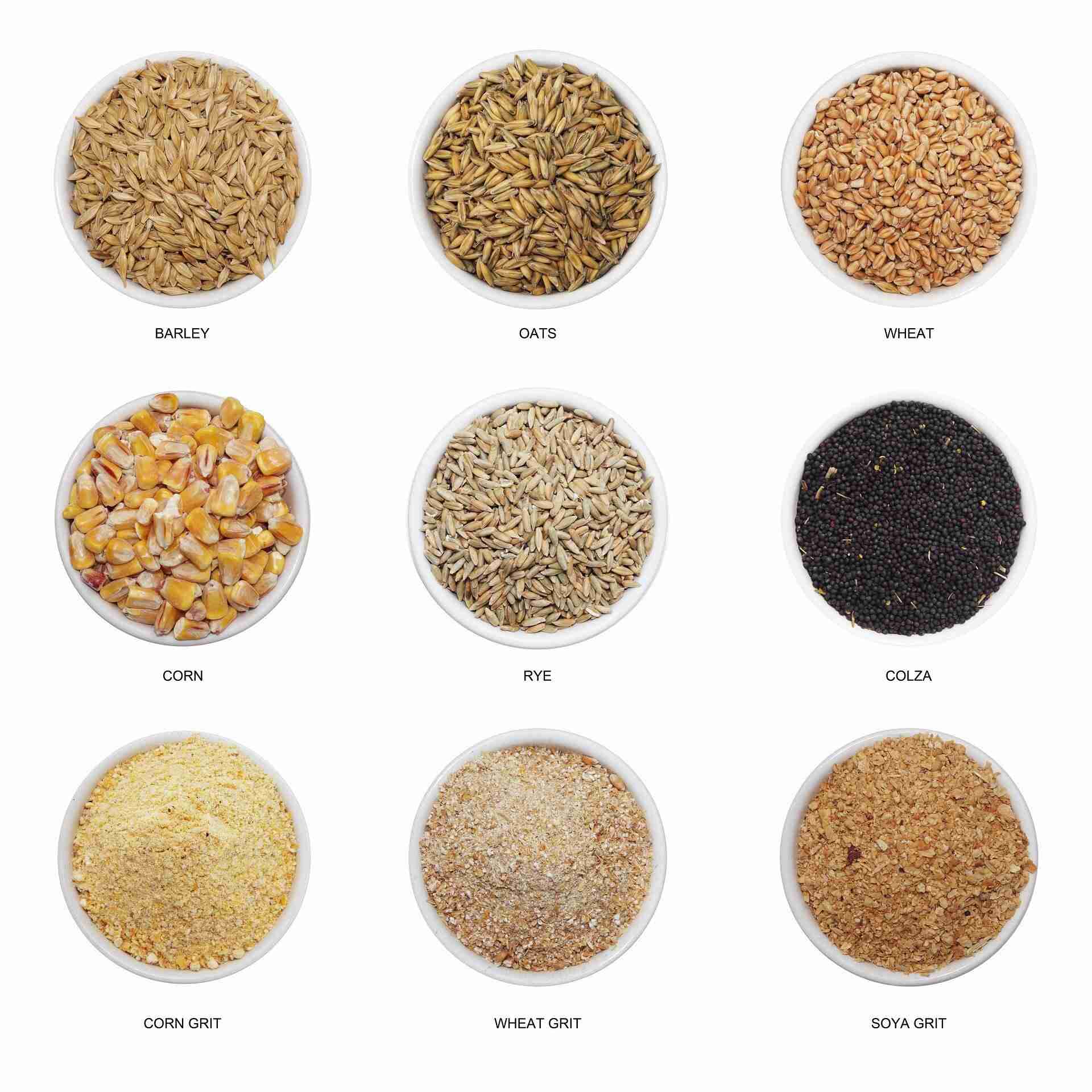
Understanding the Grain: Types and Properties of Cereal Crops
Cereal crops represent a vital category of agricultural produce, each with unique characteristics that influence their processing and end-use applications. The primary types of cereals include wheat, rice, corn, and barley. These grains vary significantly in their nutritional profiles, growth conditions, and milling properties, which consequently determine how they are utilized in food production. For instance, while wheat is renowned for its gluten content, which provides elasticity and structure in baked goods, rice is typically appreciated for its versatility and starchiness, making it a staple in various culinary traditions around the world.
Understanding the physical and chemical properties of these grains is crucial for optimizing milling techniques and ensuring high-quality flour production. Key attributes such as hardness, moisture content, and protein levels play significant roles in determining how a grain will behave during the milling process. Factors like grain hardness can affect the efficiency of the milling machinery and the resultant particle size distribution. Below is a simple overview of essential properties of popular cereal crops:
| Grain Type | Hardness | Protein Content (%) | Moisture Content (%) |
|---|---|---|---|
| Wheat | Hard | 12-14 | 12-14 |
| Rice | Medium | 8-10 | 14-20 |
| Corn | Soft | 9-12 | 14-15 |
| Barley | Medium | 12-14 | 12-15 |
The Milling Process: Techniques and Technology Behind Transformation
The milling process is an intricate dance of technology and technique that transforms raw grains into versatile flour. Each step is carefully crafted to ensure that the essence of the grain is preserved while enhancing its characteristics for various culinary applications. Core techniques include grinding, sifting, and conditioning. During grinding, grains are crushed between two surfaces, typically involving the use of roller mills or stone mills, which impart distinct textures. Sifting then separates the finer flour from coarser particles, ensuring a consistent product that meets specific standards. conditioning, which involves adding moisture to the grain before milling, enhances the milling efficiency, allowing for a smoother flour output.
The technology that powers modern milling is as fascinating as the grains themselves. Innovations have led to the development of sophisticated machinery that allows for precision in both production and quality control. Among the technologies employed are digital controls, air classifiers, and automated monitoring systems. These systems not only streamline the milling process but also enhance the ability to produce various types of flour, tailored to meet the needs of different culinary traditions. To illustrate, the table below outlines some common grains and the flour types they produce:
| Grain | Flour Type | Typical Uses |
|---|---|---|
| Wheat | All-Purpose Flour | Breads, pastries, and sauces |
| Rye | Rye Flour | Dark bread and crispbreads |
| Corn | Cornmeal | Polenta and cornbread |
| Oats | Oat Flour | Gluten-free recipes and baking |

Quality Control in Cereal Milling: Ensuring Purity and Consistency
In the intricate world of cereal milling, quality control plays a pivotal role in ensuring that the end products meet strict standards for purity and consistency. This process begins long before the grains ever enter the mill; it starts with the careful selection of raw materials. Milling professionals often assess the quality of incoming grains based on various criteria, including size, color, and moisture content. By employing advanced sorting techniques and laboratory analyses, they can identify any impurities or contaminants that might compromise the quality of the final product.
Once the grains are processed, rigorous testing is conducted at multiple stages of production to maintain a high level of quality. This includes physical, chemical, and microbiological assessments to ensure that each batch meets specific specifications. Essential quality control measures include:
- Regular sampling during milling to evaluate flour characteristics
- Monitoring particle size to achieve the desired texture
- Testing for nutritional components to guarantee product integrity
To illustrate the importance of these measures, consider the following table that outlines potential quality metrics assessed during cereal milling:
| Quality Metric | Standard Range |
|---|---|
| Moisture Content | 12-14% |
| Protein Level | 10-14% |
| Falling Number | 250-300 seconds |
| Aflatoxin Levels | Below 20 ppb |
This meticulous attention to detail not only safeguards the integrity of the grains but also fortifies the trust consumers place in cereal products, underscoring the significance of quality control in the realm of milling.

Sustainability in Milling: Best Practices for Eco-Friendly Operations
The art of cereal milling intertwines with the principles of sustainability, mapping a path towards eco-friendly operations that reverberate through the industry. Utilizing renewable energy sources such as solar and wind power not only reduces reliance on fossil fuels but also decreases greenhouse gas emissions. By advocating for energy-efficient machinery and optimizing milling processes, facilities can significantly minimize their carbon footprint. Additionally, implementing waste reduction strategies plays a crucial role in sustainable practices, such as converting husks and by-products into animal feed or bioenergy, thereby promoting a circular economy in the grain supply chain.
Moreover, sourcing grains locally fosters sustainable agricultural practices and supports regional economies. Smart water management is another key practice; utilizing closed-loop systems to recycle water for cleaning and cooling processes can dramatically cut consumption. It’s also essential to engage in consistent monitoring of operational impacts through sustainability metrics, which guide businesses in assessing and enhancing their eco-friendly initiatives. By integrating such practices, milling operations not only gain a competitive edge but also contribute to broader environmental goals while preserving the integrity of their craft.
| Sustainable Practices | Benefits |
|---|---|
| Renewable Energy Adoption | Reduces carbon emissions and operational costs. |
| Waste Management | Encourages recycling and reduces landfill contributions. |
| Local Sourcing | Supports local economies and reduces transport emissions. |
| Water Conservation | Minimizes water waste and promotes resource efficiency. |
Insights and Conclusions
As we bring this exploration of cereal milling to a close, we emerge with a newfound appreciation for the intricate dance of grain transformation. What began as humble kernels, nestled in the earth, blossoms into a vital ingredient that nourishes millions. This journey through the art and science of milling reveals not only the process but also the dedication and craftsmanship that go into every grain of flour, every bowl of cereal. We invite you to reflect on the unseen world behind your breakfast table—the blend of tradition and innovation that shapes our daily lives. In this age of convenience, let’s remember the rich history and effort woven into each bite, celebrating the journey of grain from field to feast. Whether you savor your cereal in a crunchy cluster or a warm porridge, take a moment to appreciate the artistry involved in its creation. Each meal is a testament to the age-old connection between nature’s bounty and human ingenuity.



