
Unlocking Potential: The Art and Science of Corn Processing
Corn: a humble grain that has transcended its agricultural roots to become a vital component of our daily lives. From the golden fields that sway under the summer sun to the bustling factories where transformation occurs, corn represents both nature’s bounty and human ingenuity. In the realm of food production, industrial applications, and even emerging biofuels, this versatile crop continues to unlock new possibilities.
Yet, the journey from the ear to end product is a fascinating interplay of art and science—where culinary creativity meets cutting-edge technology. In this article, we delve into the intricate processes that enhance corn’s inherent qualities, exploring the innovative techniques that bring out its best features. We’ll examine the historical context of corn processing, the contemporary methods that shape its future, and the myriad uses that make this crop an essential player in the global economy. Join us as we uncover the secrets behind transforming simple kernels into complex products, revealing how the art and science of corn processing are instrumental in fulfilling our ever-evolving needs.
Exploring the Nutritional Benefits of Corn in Food Processing
Corn, a staple in many diets around the world, is often overlooked in discussions of nutrition due to its widespread availability and versatility. However, this vibrant grain brims with health benefits that elevate its status in food processing. Rich in fiber, corn promotes digestive health and can contribute to a feeling of fullness, making it an excellent addition to weight management programs. Furthermore, its low glycemic index makes it a suitable choice for individuals monitoring blood sugar levels. In addition to fiber, corn is packed with essential vitamins and minerals, such as Vitamin B6, magnesium, and potassium, which play vital roles in maintaining overall health.
Food processing techniques unlock even more potential from corn, enhancing its nutritional profile and making it easier to incorporate into a variety of dishes. Products like cornmeal, polenta, and corn syrup serve as functional ingredients that can boost both flavor and nutrition. Some notable highlights of corn’s nutritional contributions in processed forms include:
- Antioxidants: Corn is an excellent source of carotenoids, such as lutein and zeaxanthin, which may help protect against age-related eye diseases.
- Protein: While not a complete source, corn’s protein content can be complemented with legumes for a balanced nutrition profile.
- Whole Grain Benefits: Whole corn products retain their nutrient-dense outer layer, providing more fiber and micronutrients than refined counterparts.

Innovative Techniques for Enhancing Corn Flavor and Texture
Meanwhile, textural variations are achieved through methods like dehydration and popping. Dehydration turns corn into a crunchy snack that maintains concentrated flavors, ideal for use in salads and as toppings. Alternatively, popping not only creates a delightful snack but can also introduce a different texture in gourmet dishes, adding a playful element that contrasts with creamier components. Chefs are now pushing boundaries, experimenting with these methods to uncover new dimensions of corn—inviting everyone to experience this versatile grain in unexpected and delightful ways.
| Technique | Flavor Enhancement | Texture Modification |
|---|---|---|
| Fermentation | Creates tangy and complex flavors | Softer, more cohesive texture |
| Smoking | Adds smoky, sweet undertones | Maintains crispiness |
| Dehydration | Concentrates natural sweetness | Creates crunchy snacks |
| Popping | Retains sweet flavor | Adds light, airy texture |

Sustainability in Corn Processing: Balancing Efficiency and Environmental Impact
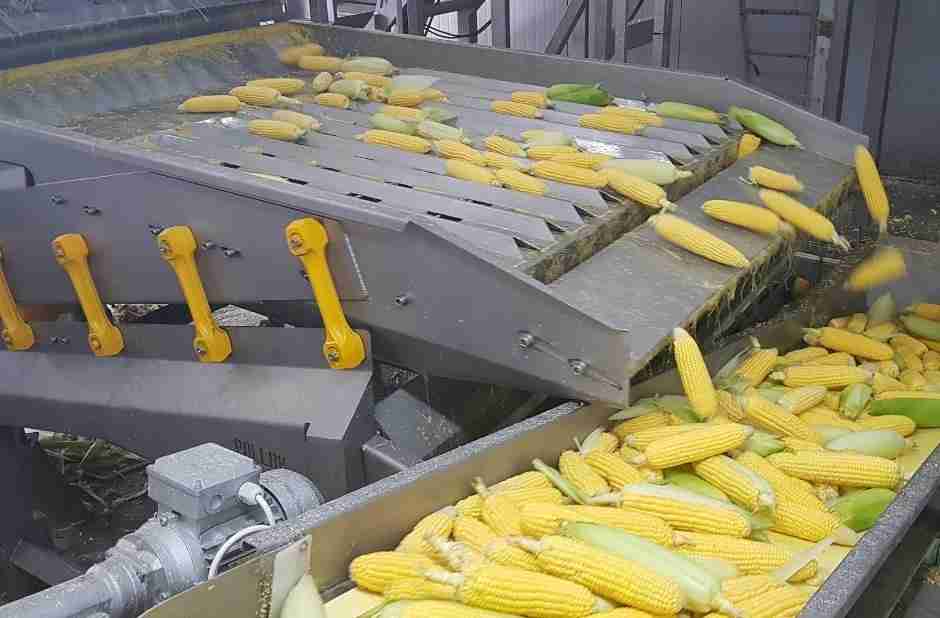
In the intricate world of corn processing, the quest for efficiency often walks hand in hand with a responsibility towards sustainability. Modern processing facilities are employing innovative technologies that not only maximize yield but also minimize waste. For instance, bioreactors can utilize the by-products of corn, such as germ and bran, transforming them into biofuels or animal feed. This approach not only enhances productivity but also significantly reduces the environmental footprint of corn processing. Key strategies include:
- Implementing advanced fermentation techniques to utilize every part of the corn.
- Investing in renewable energy sources to power processing plants.
- Recycling water used in production to conserve resources.
Moreover, the commitment to sustainability is increasingly reflected in the industry’s approach to sourcing and processing. By adopting precision agriculture, farmers are able to reduce chemical inputs and optimize water usage, leading to healthier crops and minimal ecological disruption. A detailed analysis of sustainable practices and their effects can be highlighted in the table below:
| Sustainable Practice | Benefit | Environmental Impact |
|---|---|---|
| Cover Cropping | Improves soil health | Reduces erosion |
| Crop Rotation | Diverse nutrients in soil | Decreases pests |
| No-Till Farming | Lower fuel consumption | Preserves carbon in soil |
In fostering a vibrant ecosystem, the corn processing industry is carefully navigating the fine line between production demands and environmental stewardship. These innovative practices not only elevate efficiency but are pivotal in demonstrating how an industry can thrive while respecting the natural world.
Best Practices for Optimizing Corn Processing in Modern Kitchens
To elevate your corn processing method, it’s imperative to harness the right techniques that enhance flavor and preserve nutritional value. One best practice is to always start with high-quality corn. Selecting the freshest, locally sourced corn ensures that the ingredients you work with have optimal flavor and texture. Additionally, consider the method of preparation; steaming preserves more nutrients compared to boiling, while grilling adds a smoky profile that can transform your dishes. When it comes to grinding corn into flour or cornmeal, investing in a high-quality mill allows for a more consistent grind, which is crucial for baking and other culinary applications.
Furthermore, timing plays a vital role in the processing of corn. To prevent the loss of its natural sugars, process your corn immediately after harvesting, if possible. For a more convenient approach, batch processing can be effective—allowing leftovers to be frozen in portioned sizes, making later use both practical and efficient. Consider utilizing different types of corn as well, such as sweet corn for fresh salads or polenta and dent corn for milling into flour. This variety not only enriches your meals but also showcases the versatility of this grain.
| Type of Corn | Best Use | Nutritional Benefits |
|---|---|---|
| Sweet Corn | Salads, Sides | High in vitamins A and C |
| Dent Corn | Flour, Polenta | Rich in fiber |
| Flint Corn | Popcorn | Antioxidants |
Insights and Conclusions
the journey through the intricate world of corn processing reveals not just the art but also the science that transforms humble kernels into a myriad of products. From the fields where the corn is cultivated to the sophisticated processes that refine its potential, each step is a testament to ingenuity. As we unlock the multifaceted uses of corn, we not only expand our culinary horizons but also contribute to sustainable practices and economic resilience. This exploration serves as a reminder that every grain holds immense possibilities, waiting to be realized. As we continue to innovate, the legacy of corn processing will undoubtedly evolve, blending traditional approaches with cutting-edge advancements, ultimately enriching our lives in unexpected ways. So let us embrace the potential that lies within this golden crop, for in its depths, we find nourishment, creativity, and a wealth of opportunities waiting to be harvested.



