
In the culinary world, rice is a staple ingredient that serves as the perfect canvas for a multitude of dishes. But what if we told you there was a way to take your rice game to the next level? Enter the art of parboiled rice production. In this article, we will explore the intricate process of transforming raw rice into parboiled perfection, and provide you with the essential tips and techniques to become a master of this underrated culinary craft. Join us on this flavorful journey as we uncover the secrets to mastering the art of parboiled rice production.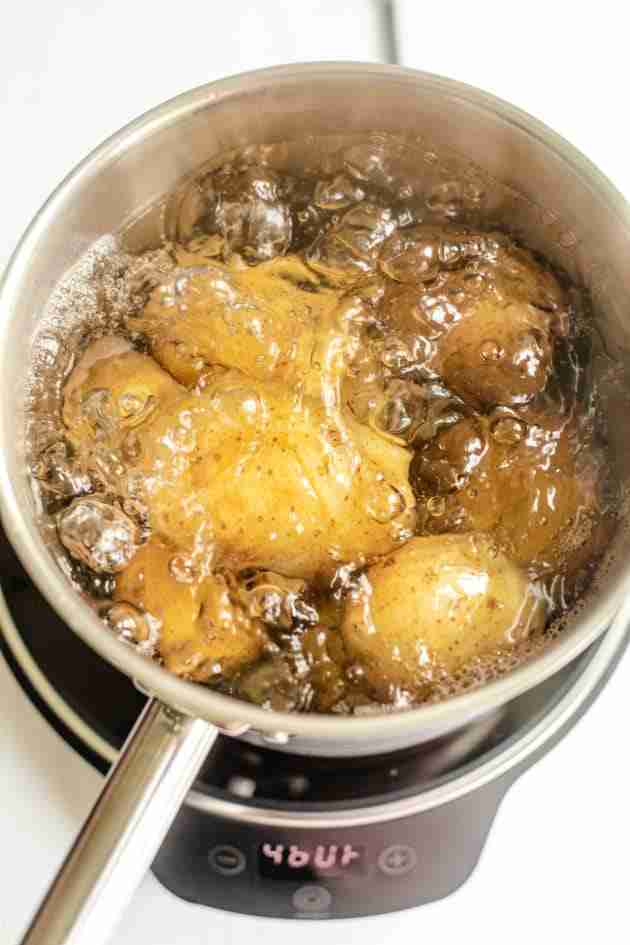
Understanding the Importance of Parboiling in Rice Production
Parboiling is a crucial step in rice production that involves partially boiling the rice paddy before milling. This process helps in improving the nutritional value, texture, and color of the rice grains. Additionally, parboiling helps in increasing the shelf-life of the rice by reducing breakage during milling and storage.
One of the key benefits of parboiling is the retention of nutrients in the rice grains. By partially boiling the rice paddy, the nutrients in the outer layers of the grain are transferred to the endosperm, resulting in a more nutritious final product. Parboiled rice is also less sticky and more separate when cooked, making it a popular choice for dishes like pilafs and biryanis.

Key Steps to Achieve Perfect Parboiled Rice
When it comes to achieving perfect parboiled rice, it’s all about mastering the process from start to finish. The key steps to creating the ideal batch of parboiled rice involve careful attention to detail and precision.
First and foremost, sourcing high-quality rice is crucial. Look for long-grain varieties that are well-suited for parboiling, such as Basmati or Jasmine rice. Next, thoroughly wash the rice to remove any excess starch. Then, **parboil** the rice by partially boiling it in water before draining and drying. This step helps to seal in nutrients and provides a fluffy texture when cooked. Finally, **steam** the rice until it is fully cooked, resulting in perfectly tender grains that are ready to be served and enjoyed.

Optimizing Parboiling Process for Quality Rice Production
When it comes to producing top-quality parboiled rice, optimizing the parboiling process is key. By mastering the art of parboiled rice production, you can ensure that your rice stands out in terms of taste, texture, and appearance. One important aspect to consider is the soaking time for the rice grains. Proper soaking allows the grains to absorb moisture evenly, resulting in a more consistent final product.
Another critical factor to focus on is the steaming process. Steaming the rice at the right temperature and for the correct amount of time is essential for achieving the desired texture and flavor. Additionally, using high-quality parboiling equipment, such as steamers and drying machines, can help streamline the production process and improve overall efficiency. By implementing these techniques and paying attention to detail, you can elevate the quality of your parboiled rice and satisfy even the most discerning of tastes.
Innovative Techniques for Enhancing Parboiled Rice Texture and Flavor
Are you looking to take your parboiled rice production to the next level? Look no further than these innovative techniques that will help enhance the texture and flavor of your rice. By incorporating these methods into your production process, you can master the art of creating delicious and high-quality parboiled rice that will leave your customers coming back for more.
One technique to consider is **hot steaming**, which involves steaming the rice under high pressure to lock in moisture and nutrients. This process helps improve the texture of the rice, making it more tender and fluffy. Additionally, **parching** the rice before parboiling can help enhance the flavor by toasting the grains slightly, adding a nutty and aromatic element. By combining these techniques with careful **temperature control** and **proper drying methods**, you can achieve the perfect balance of texture and flavor in your parboiled rice.
Key Takeaways
In conclusion, mastering the art of parboiled rice production takes time, dedication, and a keen attention to detail. By following the techniques and tips outlined in this article, you can elevate your rice production to new heights and create a product that is both nutritious and delicious. Remember, practice makes perfect, so don’t be afraid to experiment and fine-tune your process until you achieve the perfect batch of parboiled rice. Happy cooking!



