
In the early morning light, the kitchen comes alive with the rustle of cereal boxes and the rhythmic pour of flakes into a waiting bowl. For many, this simple act signals the promise of a new day—a moment of nourishment that belies the complex journey from field to breakfast table. “From Grain to Bowl: The Intricacies of Cereal Processing” explores the fascinating transformation of humble grains into a beloved staple of our diets. Beneath the surface of our favorite cereals lies an intricate tapestry of agricultural practices, technological innovations, and culinary artistry. As we delve into the stages of cereal production—from harvesting and milling to fortifying and packaging—we’ll uncover the meticulous processes that ensure each crunchy bite is not just convenient, but also crafted with care. Join us as we trace this journey, celebrating the unseen hands and the science that make breakfast possible.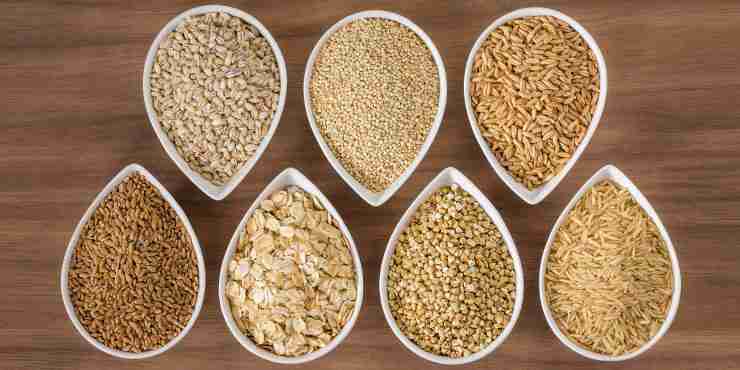
Understanding the Journey of Grains and Their Transformation
The journey from an unassuming grain to a delectable bowl of cereal is a complex process intertwined with nature and technology. Each grain, whether it be wheat, rice, or corn, begins life in a field, soaking up sunlight and nourishment from the soil. Once harvested, these grains embark on a transformative journey that involves several meticulous steps:
- Cleaning: The grains are thoroughly cleaned to remove impurities, stones, and debris, ensuring that only the purest kernels proceed to processing.
- Milling: Depending on the desired end product, grains are milled to different degrees—whole grain flours or refined grains—with specific particle sizes influencing texture and flavor.
- Enrichment: Many processed cereals are fortified with essential vitamins and minerals, enhancing their nutritional profile for consumption.
- Packaging: the processed grains are packaged for distribution, often with an eye-catching design that communicates freshness and quality.
At each stage of this journey, science plays an essential role. For instance, the milling process isn’t merely physical; it involves a careful balance of temperature and humidity to preserve the grain’s natural oils and nutrition. The following table illustrates the various stages of grain processing alongside their respective purposes:
| Processing Stage | Purpose |
|---|---|
| Harvesting | To collect and prepare grains for processing. |
| Cleaning | To ensure purity and remove contaminants. |
| Milling | To convert grains into flour or meal. |
| Fortification | To enhance nutritional value for consumers. |
| Packaging | To protect the final product and ensure freshness. |
This intricate series of transformations highlights not only the technical skill involved but also the importance of quality control at every turn. The delicate balance of preserving nutrients while achieving a desirable flavor profile is a challenge that food scientists and processors meet with innovative strategies, ensuring that each bowl enjoys the journey from grain to breakfast.
Exploring the Processing Techniques behind Your Breakfast Favorite
The journey of cereal begins far from the breakfast table, deep within the vast fields where grains like corn, wheat, and oats are nurtured. Once harvested, these grains undergo a series of meticulous processing techniques designed to enhance their flavor, texture, and nutritional content. Initially, the grains are cleaned to remove impurities, followed by stabilization, which often involves the use of steam or heat. This crucial step halts the natural enzymatic processes that could lead to spoilage, allowing the grains to retain their freshness for an extended period. After stabilization, the grains are milled, a process that crushes them into flour or other forms, making them suitable for further processing into various cereal products.
Following milling, the grains embark on a transformation involving a variety of cooking and shaping methods. Some common processing techniques include:
- Extrusion: This method forces the material through a die to create unique shapes and textures, often seen in puffed cereals.
- Toasting: A process that enhances flavor by exposing the grains to dry heat, resulting in a delightful crunch.
- Flaking: This technique flattens the cooked grains into flakes, often used in breakfast cereals that are quick to prepare.
A snapshot of the processing methods creates a delicious interplay between grain cultivation and consumer enjoyment:
| Processing Step | Purpose |
|---|---|
| Cleaning | Remove impurities and dirt. |
| Stabilization | Enhance shelf life and freshness. |
| Milling | Prepare grains for further processing. |
| Extruding | Create unique shapes and textures. |
| Toasting | Add flavor and crunch. |
| Flaking | Form easy-to-eat flakes. |

Nutritional Considerations: Balancing Taste and Health in Cereal Production
In the quest to produce cereals that are both flavorful and nutritious, manufacturers face the challenge of balancing taste and health benefits. This often involves careful selection of ingredients, as well as the application of various processing techniques designed to preserve vital nutrients without compromising flavor. For instance, whole grains are often preferred for their fiber content and overall health benefits, but their robust taste can be enhanced through the strategic blending of milder grains. The use of natural sweeteners or flavor enhancers derived from fruits or spices also plays a pivotal role in maintaining consumer appeal while promoting healthfulness.
Moreover, many producers are now exploring the potential of functional ingredients to elevate their cereal offerings. These can include:
- Probiotics: beneficial bacteria that contribute to gut health
- Fortified vitamins and minerals: essential nutrients that support overall well-being
- Plant-based proteins: alternatives to traditional animal proteins, catering to diverse dietary preferences
As a result, not only do cereals have the potential to taste great, but they can also serve as a vehicle for improved nutritional profiles. To visualize this balance, consider the following table:
| Ingredient | Nutritional Benefit | Taste Contribution |
|---|---|---|
| Whole Oats | High in fiber | Nutty flavor |
| Honey | Natural sweetener | Mild sweetness |
| Almonds | Good source of healthy fats | Creamy texture |
This harmonious integration of ingredients not only pleases the palate but also supports consumers in their pursuit of healthier dietary choices. By prioritizing both elements in cereal production, manufacturers can create products that resonate with health-conscious individuals while ensuring the love for taste remains at the forefront.

Sustainability in Cereal Manufacturing: Challenges and Innovations
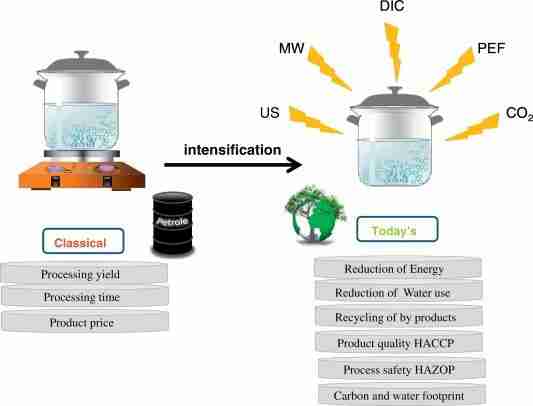
As the planet grapples with the impending consequences of climate change, the cereal manufacturing industry faces a dual challenge: the urgent need for sustainability alongside the demand for high-quality products. Issues such as resource depletion, water scarcity, and greenhouse gas emissions are at the forefront of this conversation. Manufacturers are compelled to adopt innovative practices, focusing on various dimensions of sustainability, including:
- Resource Efficiency: Utilizing advanced agricultural techniques to ensure minimal waste and maximal yield.
- Renewable Energy: Transitioning to solar and wind power for production processes.
- Packaging Innovations: Developing biodegradable and recyclable materials to reduce landfill waste.
However, overcoming these challenges necessitates collaboration across the entire supply chain. From farmers practicing sustainable agronomy to manufacturers employing eco-friendly production methods, each player has a pivotal role. Emerging technologies such as AI and blockchain are being harnessed to enhance traceability and efficiency, ensuring that sustainability can be measured and optimized at every step. To illustrate these advancements, the following table summarizes key innovations that cereal manufacturers are exploring:
| Innovation | Description | Impact |
|---|---|---|
| Precision Agriculture | Utilizes data analytics and IoT for optimized farming. | Reduced resource usage and increased yield. |
| Water Recycling | Technologies that clean and reuse water in production. | Decreased water consumption and lowered environmental impact. |
| Carbon Neutrality Initiatives | Pathways to offset carbon footprints through sustainable practices. | Contribution to climate goals and improved brand reputation. |
Wrapping Up
As we reach the end of our journey from grain to bowl, we find ourselves with a deeper appreciation for the intricate process that transforms humble seeds into the breakfast staples we often take for granted. Each step in the cereal production chain, from harvesting to milling, from toasting to packaging, reveals a fascinating interplay of science, technology, and craftsmanship.
Understanding these complexities not only enhances our awareness of what we consume but also invites us to consider the larger implications of our food choices. With each spoonful, we partake in a legacy of agricultural innovation and culinary tradition that spans generations and continents.
As we delve further into sustainable practices and explore new frontiers in taste and nutrition, the journey is far from over. Let us continue to celebrate the artistry behind our morning routine and remain curious about the grains that fuel our day. After all, every bowl of cereal tells a story—one that begins in the fields and ultimately culminates on our breakfast tables.



