
In the heart of many bustling kitchens and vibrant marketplaces lies a humble yet indispensable ingredient: flour. While the final product may seem commonplace, the journey from whole grain to finely milled flour is a complex tapestry woven with tradition, innovation, and culinary artistry. Among the grains that tell this story, maize stands out, celebrated not only for its versatility but also for its integral role in diverse cuisines around the globe. This article invites you to explore the fascinating process of maize milling, shedding light on each step from the harvest of golden corn to the transformation into flour that elevates dishes and nourishes communities. Join us as we unravel the intricate mechanics and rich heritage behind this essential grain, highlighting the skill and craftsmanship that go into bringing maize from farm to table.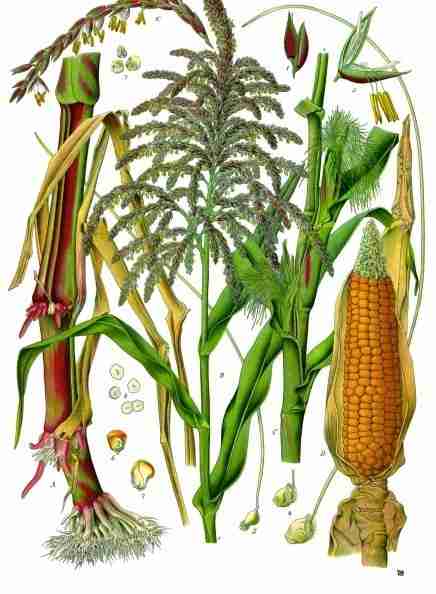
Understanding the Maize Lifecycle: From Seed to Harvest
The journey of maize begins with a tiny seed, nestled in the earth, waiting for the perfect conditions to awaken. As the warmth of spring sun graces the soil, the seed absorbs moisture and begins to sprout. This initial phase, known as germination, marks the transformation from a dormant state to a vibrant life force. The seed sends out roots to anchor itself, while the sprout pushes upwards, unfurling its tender leaves toward the sky. Throughout the growing season, the maize plant undergoes crucial stages of development, including vegetative growth where it gathers sunlight and nutrients, ultimately laying the foundation for the eventual production of ears filled with golden kernels.
Once the maize has reached full maturity, farmers carefully harvest the ears, ensuring that the kernels have achieved peak ripeness. This harvesting stage is critical, as the timing can greatly affect the quality of the final product. After the harvest, the maize kernels undergo a meticulous process of cleaning and drying to prepare for milling. The extracted grains are then ground down into flour, unlocking the potential for countless culinary creations. This transformative journey showcases not only the lifecycle of maize but also the art and science of turning a simple seed into a widely beloved ingredient found in kitchens around the world.
Exploring the Milling Process: Techniques and Technologies
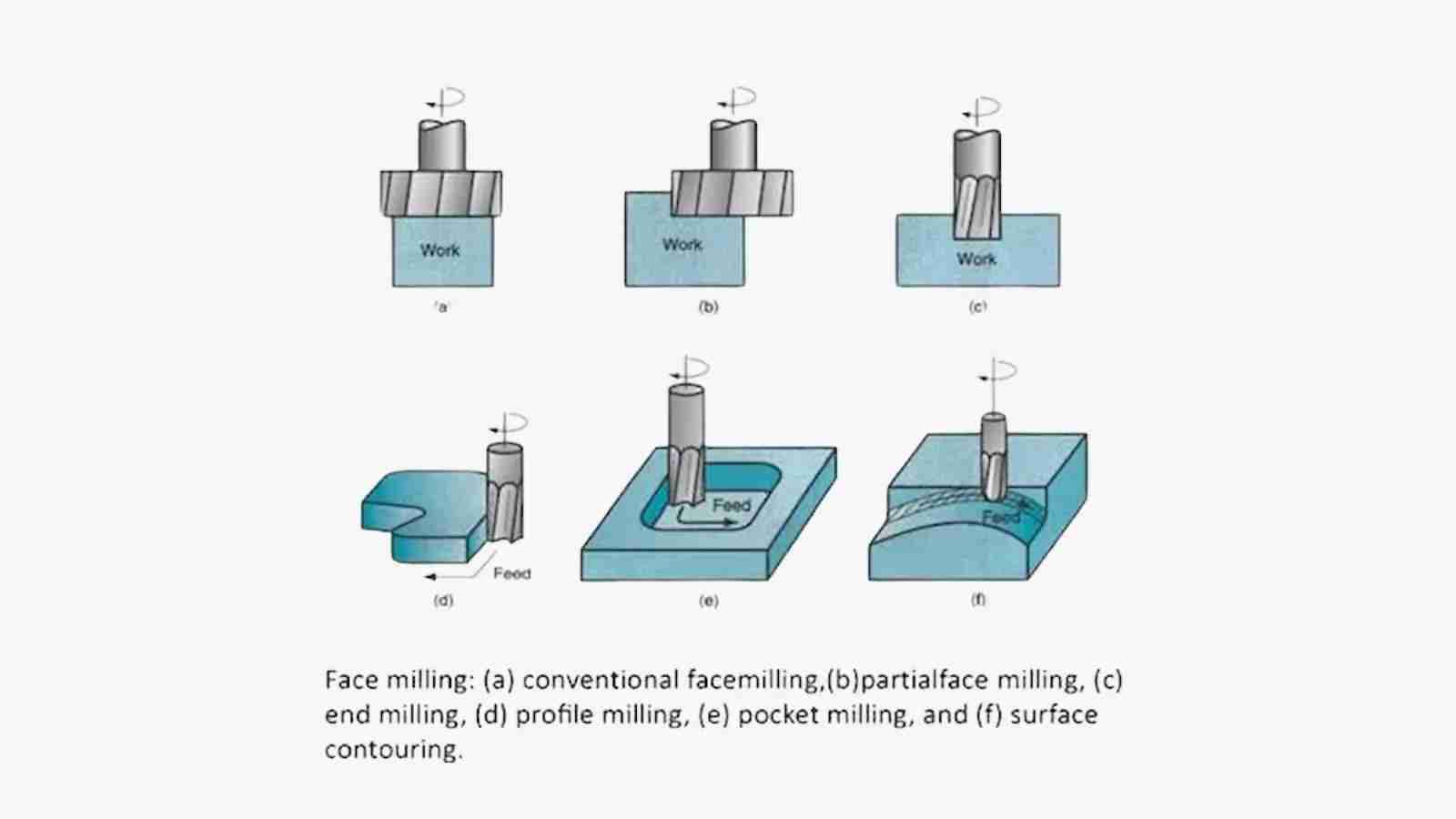
The journey from grain to flour is a fascinating process that showcases the art and science of milling. It begins with the careful selection of high-quality maize, ensuring that the grains possess the right moisture content and integrity. Once harvested, the maize is subjected to various preparatory steps, including cleaning to remove impurities, drying to optimize moisture levels, and conditioning to prepare the grains for milling. This meticulous preparation sets the stage for the transformation, as the maize is fed into the milling machine where it undergoes crushing and grinding. Here, advanced technologies such as roller mills and stone mills come into play, each designed to achieve a particular texture and fineness of flour. The choice of milling technique can significantly influence the final product’s quality, texture, and nutritional value.
During the milling process, the maize kernels are separated into their various components: the germ, endosperm, and bran. This separation is crucial for producing different types of flour with distinct characteristics. The endosperm, which constitutes the bulk of the grain, is ground into fine flour, while the bran and germ can be processed for additional nutritional applications or left intact for whole grain flour. A typical milling setup incorporates multiple steps, including subjecting grains to high-speed impact, sifting, and grading to ensure uniformity and quality. The resulting maize flour can then be categorized based on its texture and application, ranging from coarse cornmeal to fine masa flour, each playing a unique role in culinary creations across the globe.
| Flour Type | Texture | Primary Use |
|---|---|---|
| Cornmeal | Coarse | Polenta, cornbread |
| Masa Flour | Fine | Tortillas, tamales |
| Whole Grain Flour | Medium | Baking, thickening agents |

Nutritional Benefits of Flour: Why Choosing Quality Matters
Choosing quality flour is not just a matter of preference; it can play a significant role in nutritional outcomes. High-quality flour retains more of the essential nutrients found in the whole grain, making it a superior choice for those looking to enhance their diet. The milling process also affects the flour’s nutrient profile, with freshly milled flour often containing higher levels of essential vitamins and minerals. Here are some key nutritional benefits of opting for quality flour:
- Higher Fiber Content: Quality flour, particularly whole grain varieties, is rich in dietary fiber which aids digestion and supports heart health.
- Rich in Protein: Quality flours offer greater protein content, providing the essential building blocks for tissue repair and overall bodily functions.
- Vitamins and Minerals: Various nutrients, including B vitamins, iron, magnesium, and zinc, are more abundant in well-preserved flour.
When evaluating the nutritional profile of flour, attention to its processing and serving size is equally important. Understanding the difference between refined and whole grain options can empower consumers to make informed dietary choices. To clarify the nutritional differences, consider the following comparison:
| Flour Type | Fiber (per 100g) | Protein (per 100g) | Main Vitamins |
|---|---|---|---|
| Whole Wheat Flour | 12g | 13g | B Vitamins, Iron |
| White Flour | 2.7g | 10g | Low in Nutrients |
| Oat Flour | 7g | 12g | Vitamin E, Magnesium |
As seen from the table, whole grain options significantly outperform refined flours in both fiber and protein. Making a thoughtful choice in flour not only supports individual health goals but can enhance the overall culinary experience, bringing rich flavors and textures to dishes.

Sustainable Practices in Milling: Innovations for a Greener Future
In the quest for more sustainable milling practices, the industry is embracing cutting-edge technologies and eco-friendly approaches. One significant innovation is the incorporation of biodegradable materials in packaging, minimizing plastic waste and promoting a circular economy. The milling process itself is being optimized with state-of-the-art machinery that reduces energy consumption and enhances efficiency, ultimately lowering the carbon footprint associated with maize processing. Additionally, waste management techniques such as composting byproducts and utilizing them for animal feed or bioenergy production contribute to a more sustainable cycle, ensuring that nothing goes to waste.
Furthermore, many milling facilities are investing in renewable energy sources, such as solar and wind power, to run their operations. This shift not only decreases reliance on fossil fuels but also helps stabilize energy costs in the long run. The adoption of smart milling technologies, including IoT sensors and AI-driven analytics, allows millers to monitor and optimize their processes in real-time. As a result, they can predict maintenance needs and prevent machinery failures, reducing downtime and resource consumption. The integration of such innovative practices signals a significant step towards a greener future in the maize milling industry.
The Conclusion
As we conclude our journey from grain to flour, it’s clear that the process of maize milling is a remarkable blend of tradition, technology, and craftsmanship. Each step—from the moment the golden kernels are harvested to the final, fine flour that graces our tables—tells a story of transformation and the expertise that has evolved over centuries. This age-old practice not only provides us with a staple ingredient but also connects us to the agricultural roots of our communities and the diligent farmers who nurture the crops.
Understanding the intricacies involved in maize milling invites us to appreciate the simplicity of a humble ingredient that has shaped cuisines and cultures around the world. As we embrace the myriad of culinary possibilities that flour from maize offers, may we also honor the journey it undertook to reach us. So next time you sprinkle that golden flour into your recipes, remember the story behind it—a tale of nature, innovation, and the intricate dance that brings food from field to fork. Thank you for joining us on this enlightening exploration of maize milling.



