
In the vast tapestry of our daily lives, few culinary staples play as pivotal a role as cereal grains. From the soft crunch of a morning granola to the warm embrace of freshly baked bread, grains serve as the cornerstone of our diets and cultures. But behind the scenes of these beloved products lies a fascinating and intricate world: the cereal milling process. This age-old art, steeped in tradition yet continually evolving, transforms humble grains into versatile ingredients that shape our meals and inspire culinary creativity. Join us as we journey through the various stages of milling, exploring the science and craftsmanship that elevate these grains from mere seeds to symbols of nourishment and sustenance. Prepare to uncover the remarkable journey “From Grain to Greatness” as we unveil the meticulous processes that make it all possible.
Understanding the Foundations of Cereal Milling
Cereal milling is an intricate dance between science and art, starting from the humble grain to produce a variety of flours utilized in countless culinary creations. At its core, this process is guided by technology and tradition, ensuring that the nutritional qualities of grains are preserved while enhancing their functionality. The journey begins with the selection of high-quality, whole grains, which include wheat, corn, barley, and oats. Each grain type brings its own unique properties to the milling process, influenced by factors such as moisture content, hardness, and protein levels. The ultimate aim is to achieve a final product that meets diverse baking and cooking requirements, from bread and pastries to pasta and cereals.
The milling process can be broken down into several key stages, each crucial for transforming raw grains into fine flour. These stages include cleaning, conditioning, grinding, and sifting. During cleaning, impurities and foreign materials are removed to ensure that only pure grains enter the mill. Conditioning involves adding moisture, which prepares the grain for efficient milling by enhancing its elasticity. Following this, grinding takes place through a series of rollers and crushers, which create flour of varying coarseness. the milled flour is sifted to separate different particle sizes, producing flour grades that cater to specific culinary needs. To visualize these stages, the following table encapsulates the process succinctly:
| Stage | Description |
|---|---|
| Cleaning | Removing impurities and foreign objects from grains. |
| Conditioning | Moisture is added to enhance milling efficiency. |
| Grinding | Breaking down the grain into flour using rollers and crushers. |
| Sifting | Separating flour by particle size to achieve desired coarseness. |

The Transformation Journey: From Whole Grains to Flour
The journey from whole grains to finely milled flour is a remarkable transformation that involves careful processing, skilled craftsmanship, and an appreciation for the grains’ innate properties. Initially, the whole grains, which boast their natural outer hull, are thoroughly cleaned to eliminate impurities and debris. This process not only ensures the purity of the final product but also enhances its quality. Once cleaned, the grains go through a series of steps including tempering, where moisture is added, making them pliable and easier to break down during milling. the grains enter the milling process, where they are crushed, ground, and sifted into various flour grades, unlocking the full potential of their nutritional benefits.
The milling process consists of distinct phases, each contributing to the final output. The key stages are:
- Breaking: The grains are smashed into smaller pieces.
- Grinding: These pieces are further reduced into flour.
- Sifting: Separation of coarse and fine flour occurs.
- Blending: Different flours can be mixed to achieve specific textures and flavors.
This meticulous attention to detail ensures that the flour retains essential nutrients while achieving the desired consistency, paving the way for its diverse culinary applications. Below is a brief overview of popular flour types produced during this journey:
| Flour Type | Protein Content | Best Use |
|---|---|---|
| All-Purpose Flour | 10-12% | Baking, Cooking |
| Whole Wheat Flour | 12-14% | Bread, Muffins |
| Pastry Flour | 8-10% | Pastries, Cookies |
| Bread Flour | 12-14% | Breads, Pizza Dough |
Quality Control in Milling: Ensuring Consistency and Flavor
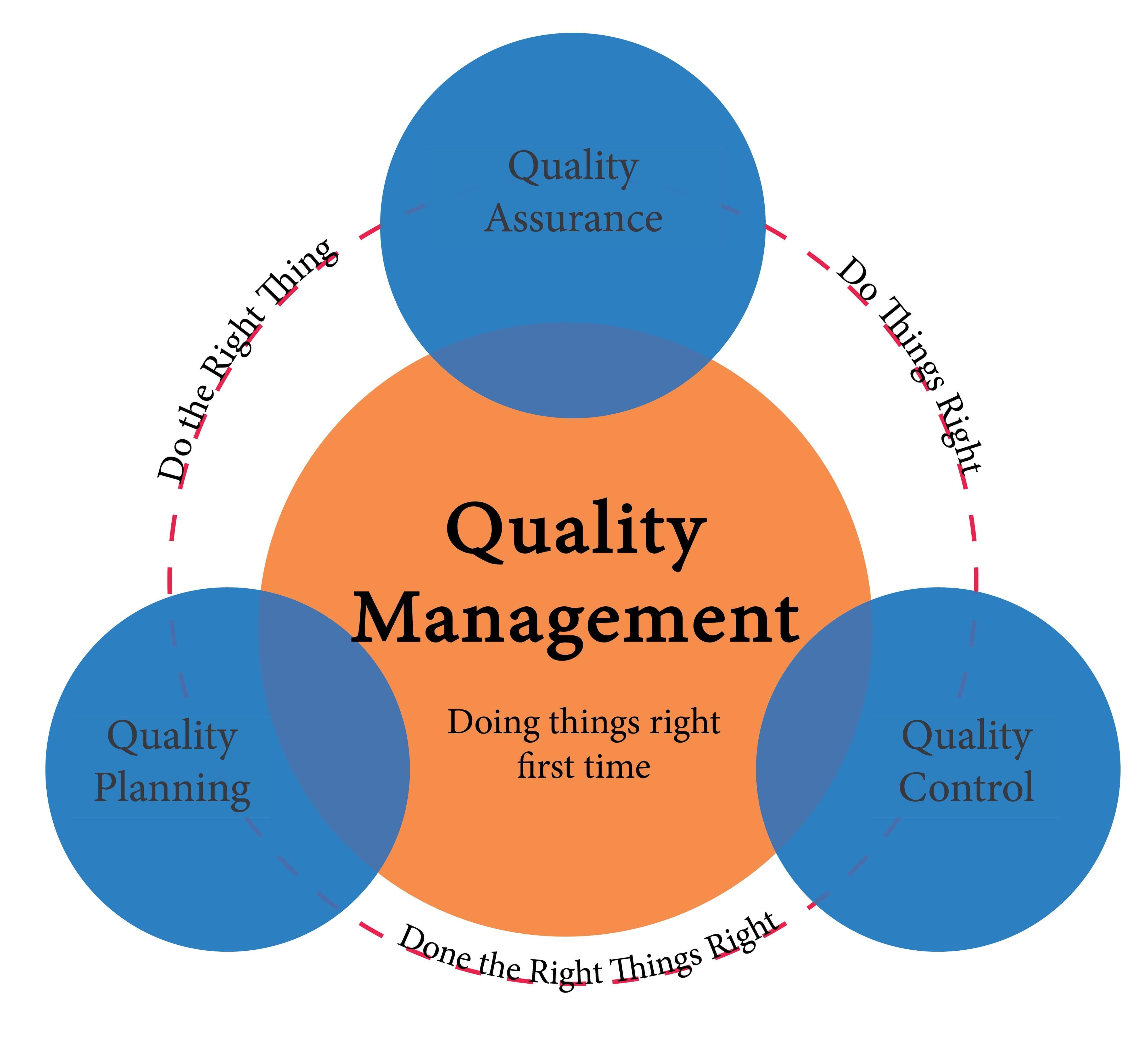
The meticulous process of milling does not end with the grinding of grains; it extends into the realm of quality control, a vital aspect that ensures each batch meets regulatory standards and consumer expectations. A thorough quality control program incorporates a range of evaluations—from the selection of high-quality grains to the final product packaging. Key components of quality control in milling include:
- Testing for Moisture Content: Excess moisture can lead to spoilage or undesirable texture.
- Granulation Analysis: Ensures a consistent particle size, which is crucial for flavor extraction in cooking.
- Aroma Profiling: Guaranteed freshness can be assessed through sensory evaluations.
- Contaminant Screening: Regular checks are performed to eliminate any physical and microbiological contaminants.
Each of these elements plays a critical role in maintaining the integrity of the final product. To facilitate a deeper understanding, here is a brief overview of milling quality metrics:
| Metric | Importance |
|---|---|
| Moisture Level | Ensures product longevity and flavor retention. |
| Grind Uniformity | Creates consistent cooking properties and texture. |
| Flavor Testing | Confirms sensory appeal and market competitiveness. |

Innovations in Cereal Milling: Sustainable Practices for the Future
The cereal milling industry is undergoing a remarkable transformation as innovators prioritize sustainable practices to enhance both efficiency and environmental stewardship. By integrating cutting-edge technologies and methods, milling operations are becoming less reliant on nonrenewable resources, promoting renewable energy use, and reducing waste. Sustainable milling practices include:
- Water Conservation: Employing closed-loop water systems to minimize water wastage during the milling process.
- Energy Efficiency: Utilization of energy-efficient machinery and renewable energy sources, such as solar and wind, to power milling operations.
- Waste Minimization: Innovating methods to repurpose by-products like bran and husks into animal feed or biofuel.
In addition to environmentally friendly practices, the emphasis on transparency in sourcing is paving the way for a new standard in the cereal milling landscape. Consumers increasingly demand to know where their grains come from, pushing mills to adopt traceability measures that ensure ethical sourcing and sustainability. Recent advancements in blockchain technology have enabled:
| Benefits | Implementation |
|---|---|
| Transparency: Enhances trust between consumers and producers. | Blockchain: Tracks grain from farm to fork. |
| Quality Control: Ensures consistent product quality through tracking. | IOT Sensors: Monitor conditions in real time. |
Through these innovative efforts, cereal milling not only embraces modern technology but also commits to a future that honors both the earth and the customers it serves.
In Retrospect
As we conclude our exploration of the intricate journey from grain to greatness, it becomes clear that cereal milling is more than just a process—it’s a symphony of science, tradition, and innovation. Each step, from the careful selection of grains to the final touches of packaging, plays a vital role in crafting the staple we often take for granted. In understanding these nuances, we not only appreciate the craftsmanship behind our favorite cereals but also gain insight into the broader narrative of food production.
So the next time you pour a bowl of your beloved breakfast, remember the journey it undertook. The world of cereal milling is a testament to human ingenuity and nature’s bounty, reminding us that greatness often begins with something as humble as a single grain. Thank you for joining us on this enlightening journey, and may your mornings be ever enriched by the stories behind each bite.



