
Unlocking the Secrets of Effective Maize Milling Techniques
In the heart of many culinary traditions lies a humble grain: maize. From the savory tortillas of Mexico to the comforting polenta of Italy, this versatile crop has nourished generations and inspired countless recipes across the globe. Yet, behind every perfectly milled grain of maize lies a complex world of techniques and practices that can make or break the final product. As the demand for quality maize flour continues to rise, understanding the art and science of effective maize milling becomes essential for producers, chefs, and home cooks alike. In this exploration, we delve into the intricacies of milling techniques, uncovering the secrets that transform raw maize into a finely crafted ingredient. Join us on a journey through history, technology, and tradition as we unlock the potential hidden within each kernel, revealing how the right techniques can elevate your culinary creations to new heights.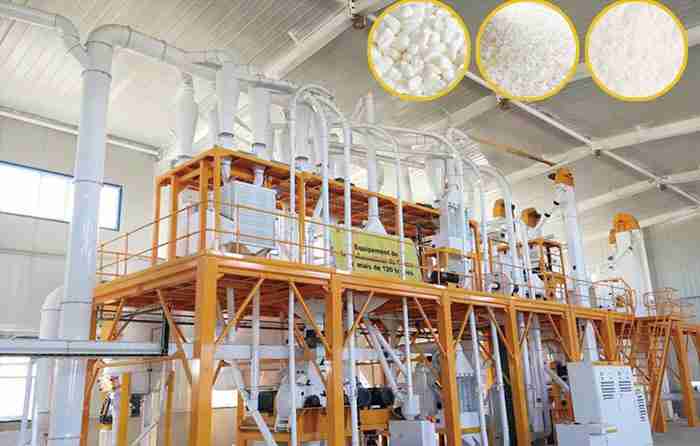
Understanding the Science Behind Maize Milling Efficiency
Milling maize efficiently is a complex process that hinges on several scientific principles. Understanding the texture and composition of maize can significantly influence the outcome of the milling operation. For instance, the moisture content of the kernels can impact the grinding process, with optimal levels being around 14-16% for maximum yield. Additionally, the grit size produced during milling is determined by both the type of milling equipment used and the intended end product, whether it be flour, grits, or cornmeal. Selecting the right milling technique, such as dry milling or wet milling, also depends on the desired quality and consistency of the final product.
Another vital aspect contributing to milling efficiency is the homogeneity of the maize kernels before processing. Ensuring consistent kernel size and quality can lead to improved performance of milling machines and higher extraction rates. Key factors include:
- Kernel Shape: Uniform kernels result in more even grinding.
- Hardness: Harder kernels often yield finer particles, enhancing efficiency.
- Grindability: Some varieties of maize mill more easily than others based on inherent structural properties.
By considering these elements, millers can optimize their processes to maximize productivity while minimizing energy consumption. The choice of technology, such as roller mills versus impact mills, also greatly affects both yield and quality, demonstrating the intricate dance between science and practical application in maize milling.

Exploring Traditional and Modern Milling Methods
In the realm of maize milling, traditional methods have long held their ground, respected for their simplicity and time-honored techniques. These approaches often involve the use of stone mills, which utilize the natural properties of stone to grind the grains gently, preserving their nutritional value. Some of the hallmark features of traditional milling methods include:
- Hand-Operated Mills: Artisanal, community-based milling where individuals engage with the process.
- Minimal Technology: Focus on preserving heritage while utilizing basic tools.
- Flavor Retention: Traditional techniques often yield a unique taste profile cherished in many cultures.
Conversely, modern milling techniques have revolutionized the approach to processing maize, leveraging advanced technology and machinery for efficiency and precision. With innovations like high-speed roller mills and pneumatic systems, today’s practices emphasize consistency and scale, yielding flour suitable for various culinary uses. Key aspects of modern milling include:
- Automation: Enhanced productivity with machines that handle large volumes with minimal human output.
- Quality Control: Sophisticated testing methods to ensure uniform grain size and quality.
- Energy Efficiency: Reduced environmental impact as modern mills often implement sustainable practices.
| Aspect | Traditional Milling | Modern Milling |
|---|---|---|
| Technology | Stone mills, manual processes | High-speed machinery, automation |
| Production Scale | Small, community-centric | Large, industrial scale |
| Nutritional Retention | High | Variable, but advanced techniques can maintain quality |
Key Factors Influencing Grain Quality and Yield
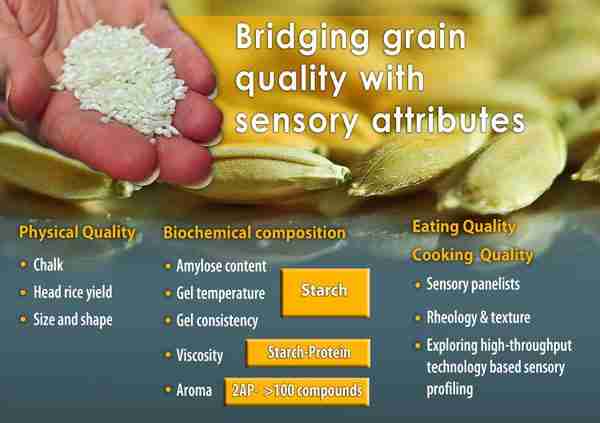
The quality and yield of maize are influenced by a myriad of factors, each playing a crucial role in determining the overall outcome of the milling process. Among these, soil health stands out as a foundational element. Fertile, well-drained soils rich in organic matter promote strong root development and nutrient absorption. Additionally, the application of balanced fertilizers can enhance growth, ensuring adequate supplies of nitrogen, phosphorus, and potassium, which are essential for high-quality grain production. Other significant elements include climate conditions, where factors like temperature, rainfall, and sunlight directly affect plant health. Consistent weather patterns contribute to optimal growth cycles, leading to higher yields.
Furthermore, the selection of maize hybrids plays a pivotal role in achieving desired grain characteristics. Certain hybrids exhibit traits such as pest resistance, drought tolerance, or improved nutritional profiles, allowing farmers to choose varieties that best fit their local conditions. Additionally, post-harvest practices, including proper storage and drying techniques, directly impact the grain’s quality by reducing moisture and preventing spoilage. Key attributes that should be monitored include:
- Moisture content: Optimal levels to prevent mold and degradation
- Kernel integrity: Minimizing damage during handling
- Contamination risk: Ensuring grains are free from pests and toxins
| Factor | Impact on Quality and Yield |
|---|---|
| Soil Health | Enhances nutrient availability and root growth |
| Climate | Influences growth cycles and overall health |
| Hybrid Selection | Offers traits for better resilience and output |
| Post-Harvest Practices | Prevents spoilage, ensures quality retention |

Essential Tips for Optimal Equipment Maintenance and Operation
Maintaining milling equipment is crucial to ensure efficiency and longevity in the maize milling process. Regular inspections are essential to identify potential issues before they escalate. Start by checking critical components like the mill blades, rollers, and screening units. Establish a maintenance schedule that includes:
- Daily checks: Clean and inspect equipment for any wear and tear.
- Weekly upkeep: Lubricate moving parts and replace any damaged components.
- Monthly reviews: Conduct comprehensive assessments and calibrate machinery as needed.
Additionally, operator training plays a significant role in the optimal operation of milling equipment. Operators should be well-versed in both the machine’s functionalities and safety protocols. Providing continuous education and hands-on experience will empower them to make critical decisions that enhance production quality. A simple yet effective table can help outline key operational practices:
| Operational Practice | Purpose | Frequency |
|---|---|---|
| Feed Rate Monitoring | Optimizing throughput | Continuous |
| Temperature Checks | Preventing overheating | Hourly |
| Product Quality Sampling | Ensuring consistency | Per Batch |
Closing Remarks
As we conclude our exploration of effective maize milling techniques, it’s clear that the art and science of transforming maize into finely milled products is both intricate and deeply rewarding. By understanding the nuances of each milling method, from traditional practices to modern innovations, producers can unlock the full potential of this versatile grain. As we continue to innovate and refine our approaches, the future of maize milling promises not only improved quality and efficiency but also a deeper appreciation for the grains that nourish our world. Embracing these techniques will empower farmers, millers, and consumers alike to make informed choices, fostering sustainability and resilience in the maize supply chain. As you step away from this article, we encourage you to carry forward the insights gained here, remembering that every kernel holds the promise of possibility, waiting to be revealed through the art of skilled milling.



