
Grains to Grit: The Art and Science of Cereal Milling
In a world increasingly captivated by the farm-to-table movement, the journey of grains from field to flour often goes unnoticed, yet it is a delicate dance of both art and science. Beneath the surface of the golden grains lies a complex process—milling—that transforms harvested crops into the staple ingredients we often take for granted. This intricate process not only shapes the texture and flavor of our food but also influences nutritional content and culinary applications. As we delve into the fascinating world of cereal milling, we uncover the historical traditions that have stood the test of time alongside the cutting-edge technologies that are revolutionizing this age-old craft. Join us as we explore the nuanced interplay between tradition and innovation, peeling back the layers to reveal how grains are transformed into the gritty goodness that fuels our daily bread.
The Journey of Grains: From Harvest to Milling
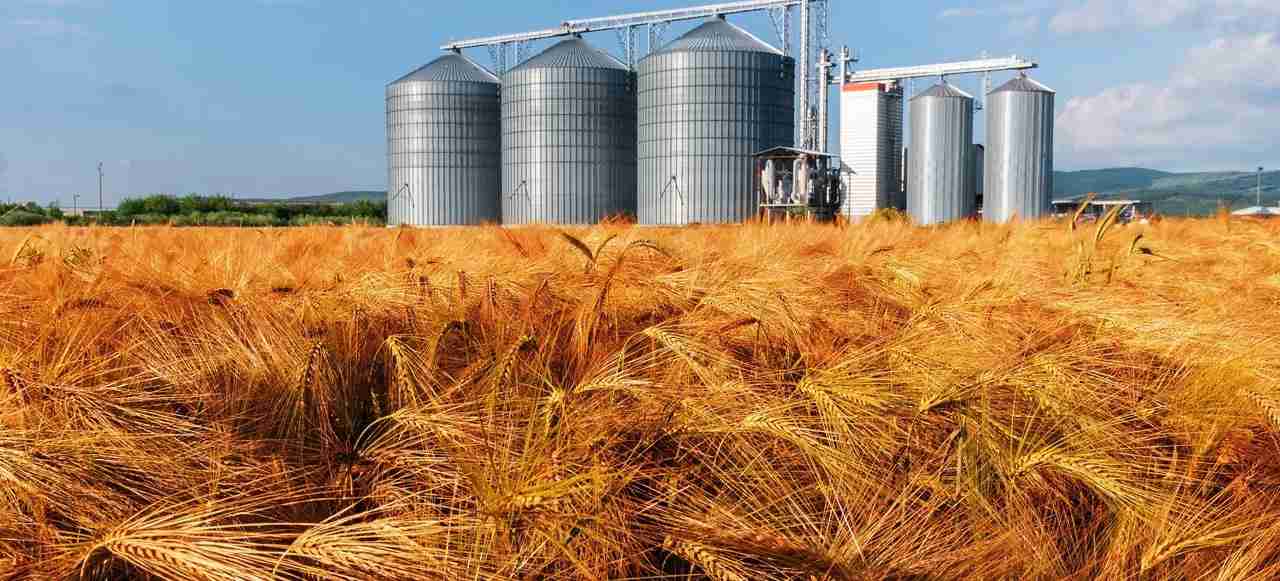
The journey of grains begins in sprawling fields where farmers cultivate diverse varieties. Each season, the rich tapestry of agriculture unfolds, with grains like wheat, barley, and corn representing the backbone of food security. As harvest season approaches, workers, armed with cutting-edge machinery and traditional knowledge, gather the ripe ears of grain. This harvested bounty is then transported to silos, where it undergoes rigorous testing to ensure quality. Factors such as moisture content, purity, and structural integrity are meticulously analyzed to determine if the grains are ready for the next phase: milling.
Upon reaching the milling facility, grains embark on a transformative process that converts them into a myriad of flours and products. The art of milling combines both age-old techniques and modern technology, ensuring each grain is treated with precision. The milling process typically involves the following stages:
- Cleaning: Removal of impurities such as stones and dust.
- Conditioning: Adjusting moisture levels to prepare grains for milling.
- Grinding: Breaking down grains into flour through roller mills.
- Sifting: Separating various flour grades based on particle size.
After these steps, the flour is stored in silos, awaiting distribution to bakeries and food manufacturers. To illustrate the nutritional transformation that grains undergo, consider the following table:
| Grain Type | Nutritional Benefits |
|---|---|
| Wheat | High in fiber, vitamins B and E |
| Barley | Lowers cholesterol, aids digestion |
| Corn | Rich in antioxidants, supports eye health |
Understanding the Milling Process: Techniques and Technology
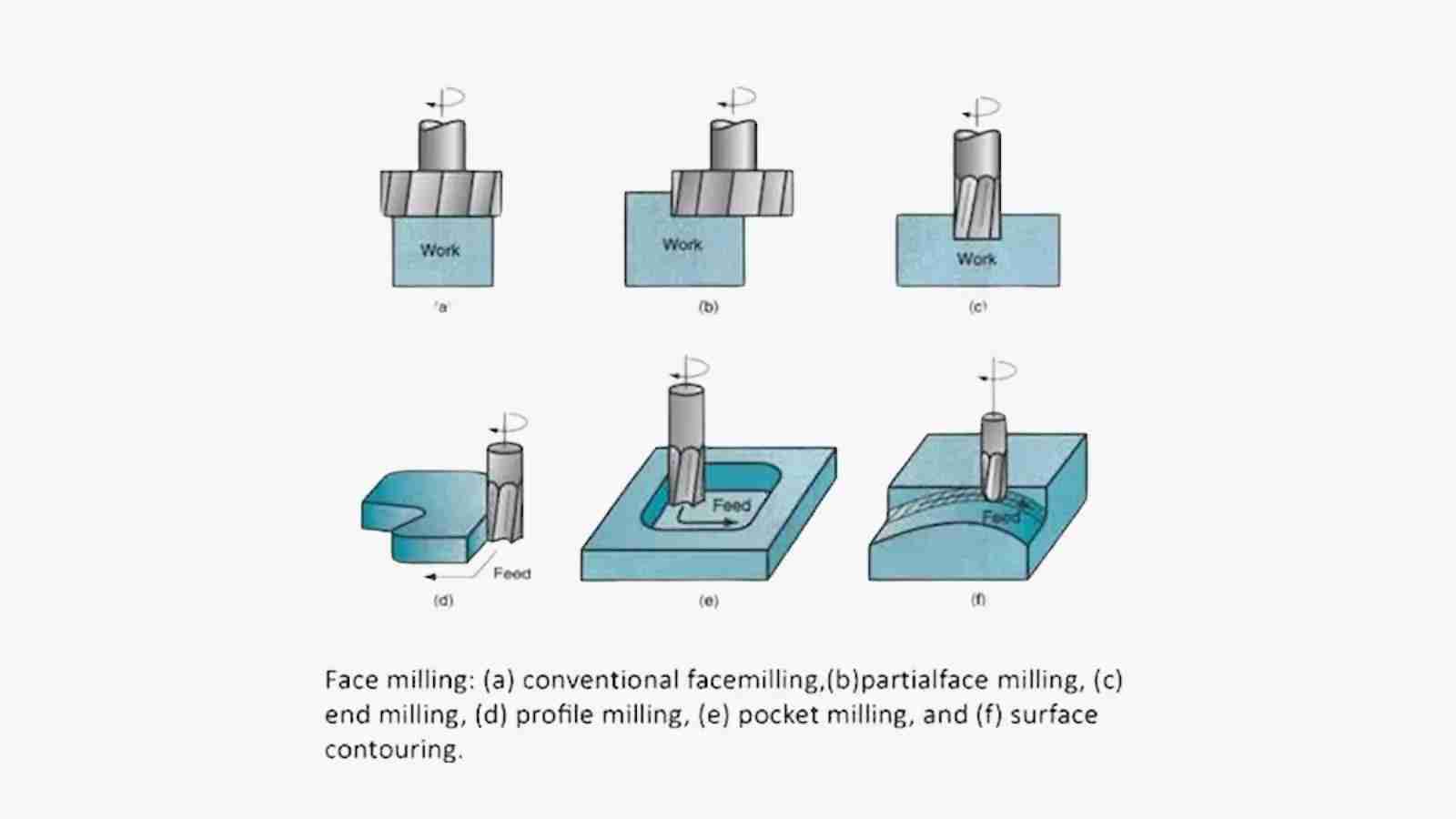
The milling process transforms whole grains into usable flour or meal through a variety of techniques that harness both mechanical and technological advancements. At its core, milling involves breaking down the grain structure and separating the endosperm from the bran and germ to achieve a desired consistency. Techniques like stone milling and roller milling illustrate the evolution of this age-old practice; while stone milling retains more nutrients and flavor, roller milling produces a finer, more consistent product. Each method not only affects the texture but also the nutritional profile, underscoring the importance of selecting the right technique for the desired culinary application.
Modern milling technology has ushered in innovations that enhance precision and efficiency. Automation and computer-controlled processes minimize human error and allow for real-time monitoring, ensuring consistent quality. Key technologies include sifting systems, tempering processes, and dehulling equipment, each designed to optimize the milling workflow. Additionally, advancements in milling machinery, such as high-efficiency separators and grinding rollers, have revolutionized production capacity. Understanding these techniques and technologies provides a deeper appreciation of the craftsmanship involved in transforming grains into grit.
Nutritional Benefits and Flavors: Enhancing Quality through Milling
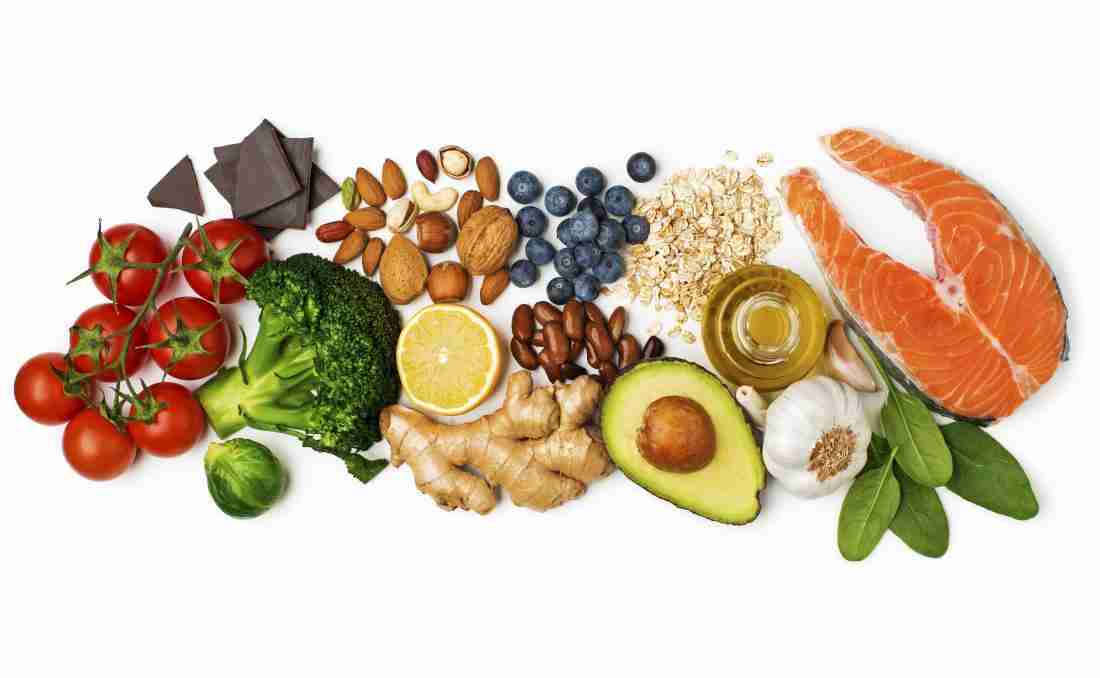
When grains are milled, they undergo a transformation that not only alters their texture but also enhances their nutritional profiles. The process of milling can help increase the bioavailability of essential nutrients, making them easier for our bodies to absorb. Important vitamins and minerals such as iron, magnesium, and B vitamins are released from the grain’s outer layers during milling. Additionally, milling can break down complex carbohydrates, allowing for quicker digestion and a more immediate source of energy. Key benefits include:
- Improved Nutrient Absorption: Milling facilitates the bioavailability of vitamins and minerals.
- Enhanced Digestibility: The reduction of grain particles aids in faster digestion.
- Source of Energy: Processed grains can provide a rapid energy release.
Moreover, the art of milling introduces a delightful array of flavors and textures to the culinary experience. Different milling techniques, such as stone milling or roller milling, can produce variable grinds, affecting not just the final product’s taste but also its suitability for various recipes. For instance, stone-ground flour retains more of the grain’s natural oils, resulting in a rich, earthy flavor that can elevate baked goods. To illustrate the impact of milling methods on flavor profiles, consider the following:
| Milling Method | Flavor Profile | Best Uses |
|---|---|---|
| Stone Milling | Rich, nutty | Breads, artisanal pastries |
| Roller Milling | Smooth, neutral | Cakes, cookies |
| Hammer Milling | Variable, gritty | Breakfast cereals, snacks |
Best Practices for Grain Storage: Preserving Freshness and Flavor
Storing grains effectively is crucial for maintaining their quality and flavor over time. Start by choosing the right container; opt for airtight, food-grade options made of glass or heavy-duty plastic. Metal containers can also be reliable but ensure they are coated to prevent rust. It’s vital to keep grains in a cool, dry place with minimal exposure to light, as heat and humidity can lead to spoilage. Consider implementing a first-in, first-out (FIFO) system to use older stock before newer purchases, thereby minimizing waste and ensuring freshness.
Another essential element in grain storage is controlling pests, which can ruin a batch if left unchecked. Utilizing natural deterrents such as bay leaves or vacuum sealing can keep insects at bay. Regularly inspect your storage area for any signs of infestation and promptly address any issues. For extended storage, freezing grains for up to a week before placing them in long-term containers can kill potential eggs and larvae. Following these guidelines will help you maintain the delightful flavors and nutritional benefits that grains offer.
The Way Forward
As we conclude our exploration of “Grains to Grit: The Art and Science of Cereal Milling,” we find ourselves at the intersection of tradition and innovation. The journey from the humble grain to the finely milled flour is a testament to human ingenuity and craftsmanship, blending age-old techniques with modern advancements. This intricate process does not merely transform raw materials; it shapes our culinary landscape and influences our daily lives, from the bread we break to the pastries we indulge in.
Understanding the detailed mechanics of milling allows us to appreciate the diverse textures and flavors that find their way into our kitchens. Each grain, with its unique characteristics, offers a canvas for creativity, waiting to be shaped by skillful hands. As technology continues to evolve, so too does the potential for new culinary experiences, pushing the boundaries of what we thought possible.
the art of cereal milling is an ongoing story—one that invites us all to explore, experiment, and savor the fruits of this remarkable craft. So, the next time you sift flour or knead dough, remember the journey from grain to grit, and let it inspire a deeper connection to the food we cherish and share.



