
From Field to Feast: The Art of Paddy Processing Unveiled
In the lush expanses of paddy fields, where emerald green stalks sway gently in the breeze, a silent transformation begins well before the grains reach our tables. The journey from field to feast is not merely a passage of time; it is an intricate dance of culture, tradition, and technology intertwined with nature’s bounty. In this exploration, we delve deep into the fascinating world of paddy processing—uncovering the meticulous methods that turn harvested grains into the staple foods cherished across the globe. From the moment the golden stalks are cut, each step is a testament to human ingenuity and respect for the land, revealing a rich tapestry of practices honed over centuries. Join us as we unravel the art and science behind paddy processing, celebrating the resilience and craftsmanship that elevate humble grains into culinary delights.
Understanding the Journey of Rice: Cultivation to Culinary Delight
Rice cultivation begins with the meticulous preparation of fields, where farmers deftly transform the landscape into a cradle for planting. This stage involves the flooding of paddy fields, which not only provides essential water but also suppresses weeds, creating an ideal environment for rice seedlings. After careful planting, the rice plants flourish under the warmth of the sun and the dancing of gentle breezes. The journey is punctuated by vital steps such as fertilization, irrigation, and, ultimately, the anticipation of harvest season, when golden grains sway under the weight of their ripeness. Once harvested, the grains undergo initial processing to separate them from the stalks, marking the transition from field to the processing facility.
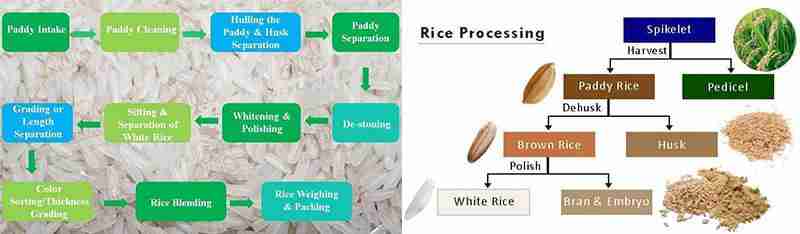
In the processing phase, rice’s metamorphosis reaches its zenith. The freshly harvested grains are dried to achieve the perfect moisture content before they undergo hulling, where the outer husk is removed. The resultant brown rice is then polished to create white rice, a culinary staple cherished worldwide. Key stages of processing include:
- Cleaning: Removal of impurities and debris
- Hulling: Separating the husk from the grain
- Polishing: Enhancing appearance and texture
- Grading: Sorting rice based on size and quality
This meticulous transformation not only ensures quality and taste but also amplifies the rice’s versatility in culinary creations. With each step, the humble grain evolves, ready to embark on its delicious destination across diverse tables, integrating into myriad dishes that celebrate both tradition and innovation.
Mastering the Techniques of Paddy Processing: Traditional Methods vs Modern Innovations
Paddy processing is an intricate dance between age-old customs and cutting-edge technology, a journey that transforms raw grains into the rice we adore. Traditional methods, often rooted in cultural practices, impart a profound connection to the land and its resources. Farmers may still employ techniques such as hand-harvesting, where each stalk is carefully cut and gathered, preserving the grains’ quality and minimizing loss. Following harvest, the drying process often uses simple methods like sun drying, where bright sunlight enhances the flavor while reducing moisture to ensure longevity. Other practices include:
- Husking: Traditionally done by mortar and pestle or manual husking machines.
- Winnowing: Hand-operated, this technique utilizes wind to separate chaff from grains.
- Polishing: Simple hand-driven methods to improve the aesthetic appeal of rice.
In contrast, modern innovations propel the processing of paddy into a new era, enhancing efficiency and scalability. Mechanized harvesters streamline the collection of paddy, significantly increasing yield and reducing labor costs. State-of-the-art drying facilities utilize advanced climate control to optimize drying conditions, ensuring consistent grain quality. Similarly, automated milling plants replace traditional manual methods, boasting precision milling techniques that maximize grain extraction and minimize waste. The comparison of traditional versus modern methods can be succinctly summarized in the table below:
| Aspect | Traditional Methods | Modern Innovations |
|---|---|---|
| Harvesting | Manual cutting | Mechanical harvesters |
| Drying | Sun drying | Controlled drying facilities |
| Milling | Hand tools | Automated milling machinery |

Nutritional Wisdom: The Health Benefits of Properly Processed Rice
Properly processed rice is not just a staple food; it’s a treasure trove of health benefits that can elevate any diet. When rice is milled and cooked with care, its nutritional value is maximized, resulting in a product rich in essential nutrients. The optimal processing technique preserves vital components such as fiber, vitamins, and minerals that contribute to overall well-being. Some key benefits include:
- Digestive Health: The incorporation of bran and germ, often removed during improper processing, aids digestion and promotes gut health.
- Energy Source: As a complex carbohydrate, rice serves as an excellent energy supply, fueling both body and mind.
- Heart Health: Certain varieties, particularly brown rice, are linked to improved cholesterol levels and reduced heart disease risk.
- Weight Management: Its low calorie density and high satiety level make it a valuable ally in weight control.
Moreover, the micronutrients found in properly processed rice contribute significantly to daily dietary requirements. With varieties including basmati, jasmine, and arborio, aficionados can find not just flavor but also health advantages in every grain. A brief overview of some varieties and their benefits is depicted below:
| Type of Rice | Health Benefits |
|---|---|
| Basmati | Low glycemic index, aids in blood sugar control |
| Jasmine | Rich in aromatic compounds, aids digestion |
| Arborio | High in fiber, helps in maintaining fullness |
Sustainable Practices in Rice Production: Balancing Quality with Environmental Stewardship
In the quest for culinary excellence and environmental sustainability, rice producers are embracing innovative practices that harmonize quality with planetary health. One hallmark of these sustainable approaches is the adoption of integrated pest management (IPM), which prioritizes ecological balance by utilizing natural predators to minimize pesticide use. Additionally, farmers are increasingly utilizing water-saving techniques such as alternate wetting and drying (AWD), allowing fields to dry intermittently. This not only conserves precious water resources but also enhances aeration in the soil, fostering a healthier root system for the plants. Furthermore, incorporating agricultural waste as compost enriches the soil while reducing the dependency on chemical fertilizers, leading to a resilient farming ecosystem.
Beyond cultivation, attention to sustainable practices extends into the post-harvest phase. Techniques such as solar drying and mechanical ventilation help maintain the quality of harvested grains while reducing energy consumption. This ensures that the final product is not only nutritious but also free from excess moisture, preventing spoilage and waste. Another sustainable practice gaining traction is the use of eco-friendly packaging, which minimizes plastic waste and promotes biodegradable alternatives. Producers are now encouraged to explore local markets, further reducing carbon footprints associated with transportation and supporting local economies. Through these multifaceted initiatives, the rice industry is not just about feeding the world; it’s about nurturing a sustainable future where quality and environmental stewardship coalesce seamlessly.
The Way Forward
As we conclude our exploration of the intricate journey from field to feast, we find ourselves immersed in the rich tapestry of paddy processing. This art form, steeped in tradition and innovation, transcends mere cultivation to celebrate the symbiotic relationship between land, labor, and culinary delight. Each step— from the golden grains swaying in the sun to the husking processes that unveil their hidden potential—elevates rice from a staple to a symbol of cultural heritage.
Understanding the nuances of paddy processing not only deepens our appreciation for this essential grain but also connects us to the countless hands that contribute to its journey. As we savor each grain on our plates, let us remember the artistry, dedication, and history that brought it there. In our fast-paced world, it is these reflections that allow us to pause and cherish the stories woven into the very fabric of our meals.
So, the next time you enjoy a bowl of rice, take a moment to celebrate the rich journey it has undertaken—a journey that’s a testament to the enduring dance between nature and nurture, ingenuity and tradition. From field to feast, the art of paddy processing is a reminder that every meal is a story waiting to be told, and every grain a piece of history ready to be savored.



