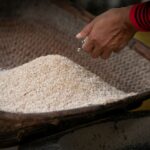
As the global population continues to rise, the demand for staple foods like rice is more pressing than ever. More than just a dietary staple for over half of the world’s population, rice holds cultural significance and economic value in countless communities. Yet, the challenges of sustainable production and efficient processing remain formidable. Enter the realm of innovation, where cutting-edge processing equipment is reshaping how rice is milled, sorted, and packaged. This article explores the transformative advancements in rice processing technology, delving into the machinery that not only enhances efficiency and quality but also addresses environmental concerns. Join us as we unlock the future of rice, revealing how these innovations are poised to revolutionize the industry and ensure the sustainability of this precious grain.
Revolutionizing Efficiency in Rice Milling Technologies
The rice milling industry is undergoing a transformative phase, driven by technological advancements and a growing demand for efficiency. Innovations in processing equipment are paving the way for streamlined operations and reduced production costs. With the integration of automated systems, the manual labor traditionally associated with rice milling is being eclipsed by sophisticated machinery that ensures precision and speed. Some key benefits of these advancements include:
- Increased Output: Modern milling machines can process larger quantities of rice in less time, significantly boosting productivity.
- Enhanced Quality: Advanced polishing techniques maintain the nutritional value and integrity of the rice, improving market competitiveness.
- Energy Efficiency: New technologies are designed to consume less power, leading to significant cost savings and a lower carbon footprint.
Additionally, data-driven solutions such as IoT-enabled sensors are emerging as game-changers in rice milling. These devices monitor machine performance in real-time, enabling predictive maintenance and minimizing downtime. By collecting and analyzing data, mill operators can make informed decisions that enhance the overall efficiency of the milling process. Consider the following table displaying the top innovations in rice milling technologies:
| Technology | Impact |
|---|---|
| Automated Feed Systems | Reduces labor costs and increases feeding speed. |
| Optical Sorting Machines | Improves grain selection accuracy and quality. |
| AI-based Monitoring | Predicts maintenance needs, enhancing uptime. |

Enhancing Nutritional Value through Advanced Processing Methods
In the quest for maximizing the nutritional potential of rice, innovative processing methods are revolutionizing how we prepare this staple food. Advanced techniques such as ultrasonic wave treatment, enzymatic modification, and steam infusion are paving the way for enhancing nutrient bioavailability while preserving the grain’s integrity. These approaches not only increase the efficiency of nutrient absorption but also minimize traditional processing losses, ensuring a more nutrient-dense product for consumers. By harnessing cutting-edge equipment, rice producers can target specific components, such as vitamins, minerals, and amino acids, making rice a more functional food option.
Moreover, the integration of pulsed electric fields and high hydrostatic pressure technology facilitates a remarkable transformation in rice processing. These methods create a favorable environment for the breakdown of complex starches, enhancing digestibility and improving post-cooking qualities. Benefits of these advanced processing methods include:
- Reduced cooking time – Energy-efficient methods that save resources.
- Improved flavor profiles – Enhanced sensory qualities that appeal to consumers.
- Extended shelf-life - Keeping rice fresh and nutritious for longer periods.
As the rice production industry evolves, embracing these innovative processing techniques will not only enhance the nutritional profile but also cater to the shifting demands of health-conscious consumers.

Sustainability and Environmental Considerations in Rice Equipment Design
As the global demand for rice continues to rise, the need for sustainable practices in equipment design has never been more critical. Innovations in rice processing machinery are increasingly focusing on minimizing environmental impact through energy efficiency and resource conservation. By leveraging technologies such as renewable energy sources, intelligent automation, and water recycling systems, manufacturers are developing equipment that not only enhances productivity but also supports a greener future for agriculture.
Key considerations in the design of sustainable rice equipment include:
- Energy Consumption: Utilizing solar panels or energy-efficient motors to reduce overall energy use.
- Material Selection: Choosing eco-friendly materials that are durable and recyclable.
- Waste Management: Integrating systems that minimize byproducts and promote waste repurposing.
- Water Efficiency: Implementing advanced technologies for better water management during processing.
| Feature | Sustainability Advantage |
|---|---|
| Energy Efficient Motors | Lower energy consumption |
| Solar Power Integration | Reduction of fossil fuel dependence |
| Automated Waste Reduction | Minimized processing byproducts |
| Water Recycling Systems | Conserves water resources |
Future Trends in Automation and Smart Processing Solutions for Rice Industries
The landscape of rice processing is undergoing a significant transformation, driven by innovative automation technologies and smart processing solutions that promise to enhance productivity and efficiency. Artificial Intelligence (AI) and Internet of Things (IoT) are reshaping traditional practices, enabling real-time monitoring and data-driven decision-making. This will not only streamline operations but also reduce waste and optimize resource usage. As farms and processing plants embrace smart machinery, we can expect an increase in the precision of activities such as sorting, milling, and packaging, leading to unparalleled quality control and reduced operational costs.
Looking forward, several key trends will define the future of automation in rice processing:
- Robotics Integration: Automated guided vehicles (AGVs) will handle materials more efficiently, minimizing human labor and increasing speed.
- Predictive Maintenance: AI algorithms will analyze equipment data to predict issues before they arise, ensuring ongoing operational efficiency.
- Energy Management Systems: Smart technologies will optimize energy consumption, aligning with sustainability goals.
- Blockchain for Traceability: Enhanced transparency in supply chains will allow consumers to track the origin and quality of their rice.
To further illustrate the impact of these advancements, consider the following comparison of traditional versus automated processing efficiencies:
| Feature | Traditional Processing | Automated Processing |
|---|---|---|
| Labor Cost | High | Low |
| Processing Time | Long | Short |
| Waste Level | High | Minimal |
| Quality Control | Inconsistent | Consistent |
The combination of these technologies is set to unlock unprecedented levels of efficiency and reliability in the rice processing sector, heralding a new era of innovation where the industry can meet the challenges of tomorrow while satisfying the global demand for this staple food.
In Retrospect
As we stand at the crossroads of tradition and technology, the future of rice processing shines with a promise of innovation and sustainability. The advancements in equipment not only streamline production but also enhance the quality and accessibility of this staple crop, ensuring it meets the needs of a growing global population. From smart milling techniques to eco-friendly processing solutions, the tools of tomorrow are designed to unlock greater efficiency and reduce environmental impact. As we embrace these changes, we are reminded that every grain carries the potential for progress. The journey of rice—from field to plate—is evolving, and with it, the possibilities for food security and economic growth are expanding. Let us continue to explore, innovate, and celebrate these breakthroughs, for they are the seeds of a brighter, more sustainable future in rice production.