
Polishing Perfection: Unveiling the Rice Polisher’s Magic
In the heart of every grain of rice lies a world of potential, waiting to be uncovered and transformed into a culinary masterpiece. For centuries, rice has served as a staple food across cultures, nourishing countless lives with its versatile charm. Yet, the journey from field to plate is not merely a passage of time; it is a delicate process that demands precision and care. At the forefront of this transformation is an unsung hero—the rice polisher. This remarkable machine, often overlooked in the bustling symphony of food production, plays a pivotal role in enhancing the quality and appeal of one of the world’s most cherished staples. But what makes the rice polisher so magical? Join us as we delve into the intricate workings of this fascinating device, exploring its impact on texture, flavor, and nutritional value, while appreciating the artistry that turns simple grains into polished perfection.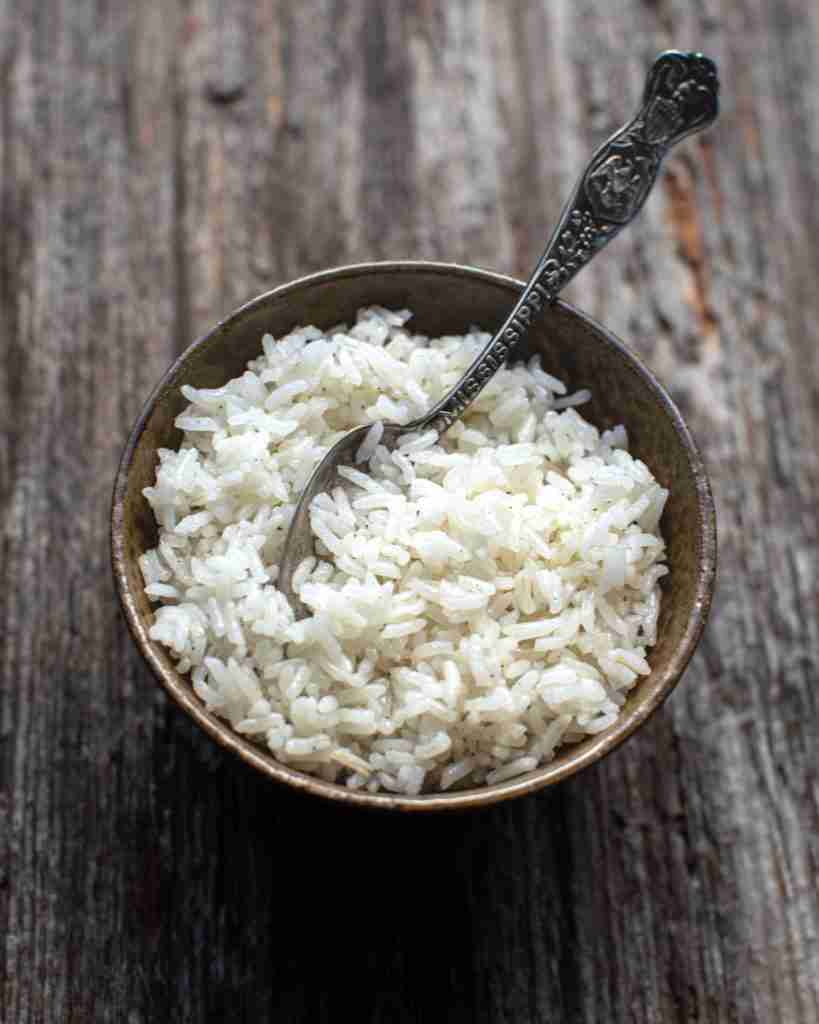
Exploring the Art and Science Behind Rice Polishing
Rice polishing is a captivating blend of artistry and science, transforming rough grains into gleaming jewels that hold culinary promise. This meticulous process not only enhances the aesthetic appeal of rice but also elevates its flavor and nutritional integrity. More than just a cosmetic enhancement, rice polishing meticulously removes the bran layer, thereby influencing various aspects of the grain’s quality. The journey begins with the selection of high-quality rice varieties, followed by gentle abrasion techniques that minimize grain breakage while maximizing surface smoothness. The polishing machines, equipped with innovative technology, carefully control factors such as speed, temperature, and friction, ensuring that each grain is treated with precision.
Understanding the impact of polishing on nutritional values is equally important. While some nutrients are lost during the process, careful techniques can help preserve essential elements. For instance, the polishing process can be grouped into:
- White Rice Polishing: Removes the bran and germ, resulting in a clean, white appearance.
- Brown Rice Polishing: Maintains some bran, retaining more nutrients and fiber.
- Parboiling: Involves steaming before milling to lock in vitamins from the bran.
To illustrate the nutritional differences, consider the following table:
| Type of Rice | Nutritional Content (per 100g) | Processing Method |
|---|---|---|
| White Rice | 130 calories, 28g carbs, 0.3g fiber | High Polishing |
| Brown Rice | 111 calories, 23g carbs, 1.8g fiber | Minimal Polishing |
| Parboiled Rice | 123 calories, 26g carbs, 1.3g fiber | Pre-steaming |
Through this intricate interplay of techniques and methods, rice polishing emerges not just as a routine task but as an essential art form—establishing balance between texture, taste, and nutrition.
Understanding the Mechanical Marvel: How Rice Polishers Work
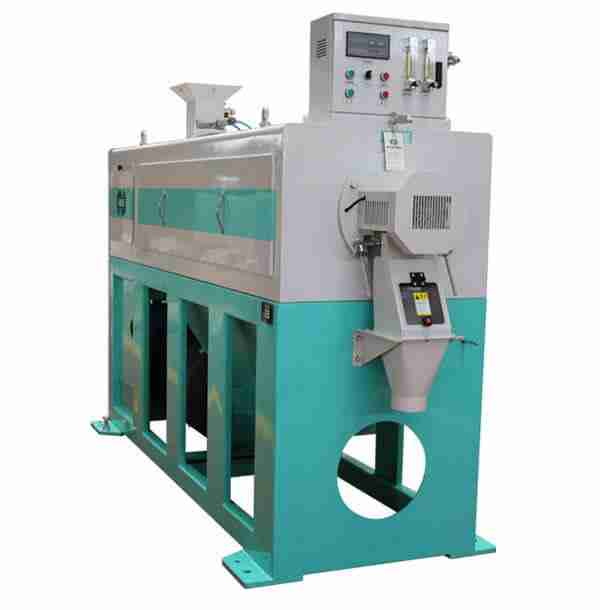
The intricate mechanics of rice polishers allow them to transform rough, unrefined grains into gleaming, polished perfection. At the core of this process lies the concept of friction. The rice, when introduced into the polishing chamber, engages with specific abrasive materials designed to gently remove the outer husk while preserving the inner integrity of the grain. This delicate balance ensures that the nutritional value of the rice is maintained while enhancing its aesthetic appeal—a perfect fusion of form and function. The rotational speed of the polishing drum, along with the temperature regulation, plays a pivotal role in this process, influencing the final texture and luster of the rice.
Additionally, advanced rice polishers incorporate various technologies to optimize efficiency and reduce waste. Many modern machines feature adjustable settings, allowing operators to fine-tune the degree of polish according to the rice variety being processed. This adaptability is crucial for achieving consistent quality across different batches. The integration of sensors within the polishing systems allows for real-time monitoring and adjustment, further enhancing the machine’s ability to deliver superior results.
| Components | Function |
|---|---|
| Abrasive Materials | Gently removes outer layers of the rice hull. |
| Polishing Drum | Rotates to create friction and smooth the grain surface. |
| Temperature Control | Maintains optimal conditions to prevent grain damage. |
| Sensors | Monitor and adjust settings in real-time for best results. |
Choosing the Right Rice Polisher for Your Needs
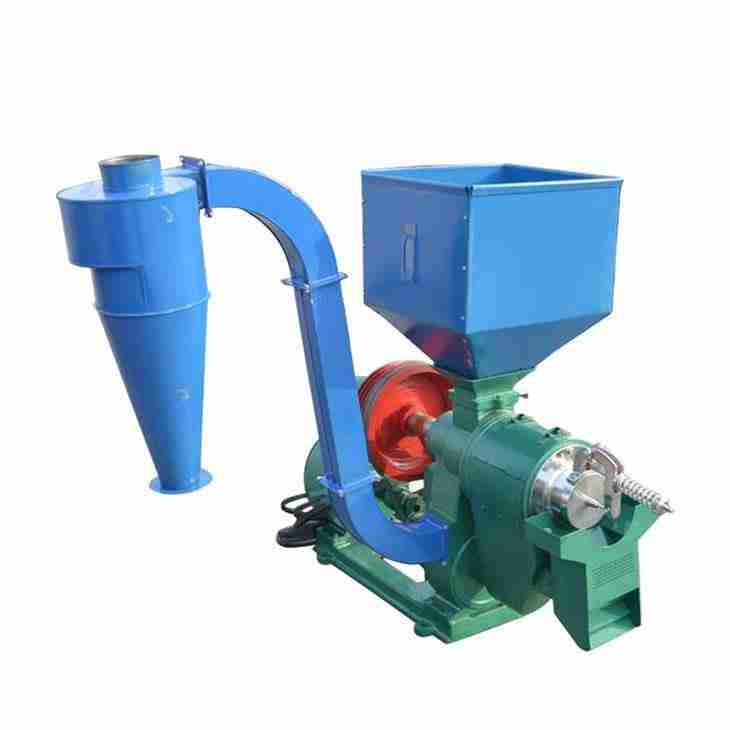
When selecting a rice polisher, understanding your specific needs is crucial to achieving optimal results. Factors such as the type of rice you intend to polish, your production capacity, and the desired level of polish can significantly influence your decision. Considerations may include:
- Size and Capacity: Determine whether you need a small home unit or a large-scale industrial machine.
- Polishing Technology: Look for technologies like dry polishing vs. wet polishing, as they yield different results.
- Ease of Use: Features such as automated controls, ease of maintenance, and user-friendliness can enhance your experience.
Additionally, take time to assess the brand reputation and warranty offered by manufacturers. Investing in reliable brands often safeguards against potential breakdowns and maintenance issues. Evaluate key specifications like:
| Specification | Details |
|---|---|
| Power Consumption | Low (< 500 W) to High (> 2000 W) |
| Polishing Duration | Fast (10 mins) to Moderate (30 mins) |
| Noise Level | Quiet (< 60 dB) to Loud (> 80 dB) |
By weighing these factors and specifications, you can confidently select a rice polisher that aligns perfectly with your culinary aspirations and operational needs.
Mastering the Technique: Best Practices for Optimal Results
Unlocking the full potential of a rice polisher requires understanding the delicate balance between technique and equipment. To achieve that coveted sheen and perfect texture, keep in mind these best practices:
- Choose Quality Rice: Start with high-quality, clean grains. The best results often come from premium rice varieties that have been properly stored.
- Monitor Polishing Time: Experiment with varying polishing times to find the sweet spot for your specific rice type. Over-polishing can lead to loss of nutrients.
- Optimize Water Usage: Utilize the right amount of water to prevent the rice from becoming too moist, which can affect the polishing process. A balance is crucial!
- Regular Maintenance: Keep your machine in top shape by cleaning it regularly. This enhances its operational efficiency and prolongs its lifespan.
Another key aspect is the polishing environment. The surrounding conditions can significantly influence the final output. Consider these environmental factors:
| Factor | Impact |
|---|---|
| Humidity | High humidity can affect grain quality; aim for a dry, controlled environment. |
| Temperature | Cool temperatures help preserve the rice’s texture and flavor during processing. |
| Air Quality | Less dust and particles in the air means cleaner rice and better results. |
By harmonizing these practices and environmental factors, you will unveil the true magic of polishing rice—leading to a delicious, visually appealing dish that is sure to impress.
The Way Forward
As we conclude our journey through the intricate world of rice polishing, it becomes clear that the humble rice polisher is a marvel of culinary technology that does much more than simply enhance the appearance of grains. It transforms the everyday into the extraordinary, elevating textures and flavors that resonate across cultures and cuisines. With every turn of the polisher, the grains emerge not just cleaner, but imbued with a sense of care and craftsmanship.
This process, which seamlessly marries tradition with innovation, reminds us that perfection comes in many forms—sometimes hidden beneath the surface, waiting for the right moment to shine. Whether you’re a home cook inspired to experiment or a seasoned chef seeking that perfect grain, the rice polisher offers a gateway to elevate your culinary creations.
As we unveil the magic behind this often-overlooked tool, we invite you to discover the beauty of polished rice, and in doing so, embrace a culinary journey full of flavor, history, and artistry. The next time you enjoy a bowl of rice, take a moment to appreciate the meticulous process that brought those grains to your table. After all, true perfection lies not just in the final product, but in the journey that brings it to life.



