
Harvest to Table: The Journey Through a Paddy Processing Factory
In the lush, verdant expanse of rice paddies, where water glistens under the sun and golden grains sway gently in the breeze, an age-old ritual unfolds—the harvesting of paddy. This process, rich with tradition and labor, marks the beginning of a transformative journey that will take these humble grains from the fields to our tables. Yet, few are privy to the intricate ballet that occurs within the walls of a paddy processing factory, where nature’s bounty undergoes a remarkable metamorphosis. As we delve into this world, we invite you to witness not just the machinery and technology at play, but also the dedication and craftsmanship that honor the grains’ origins. Join us as we explore the steps that turn vibrant green stalks into polished rice, ready to nourish countless families, and discover the silent stories woven into every grain as it travels the path from harvest to table.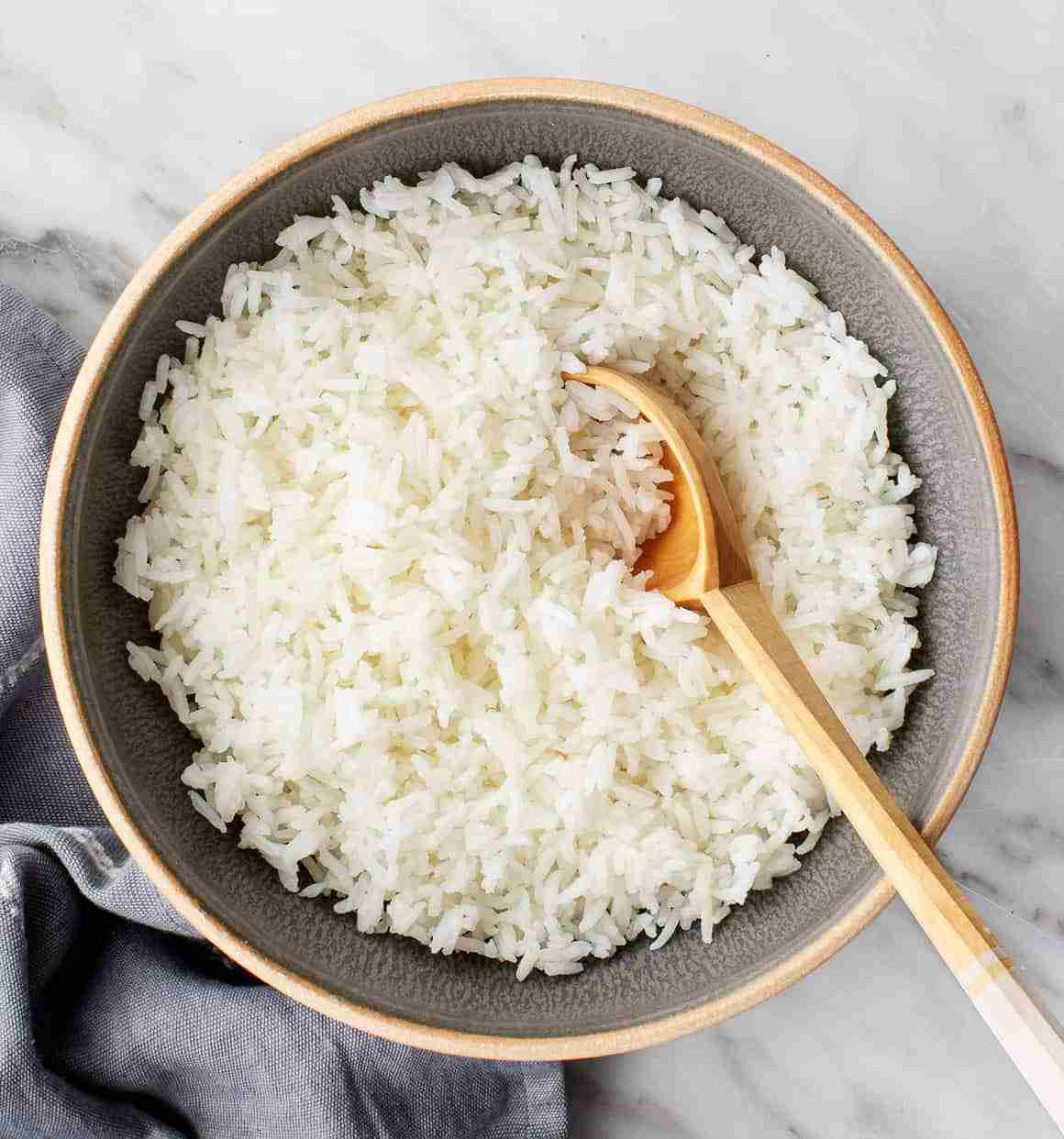
Exploring the Lifecycle of Rice from Field to Factory
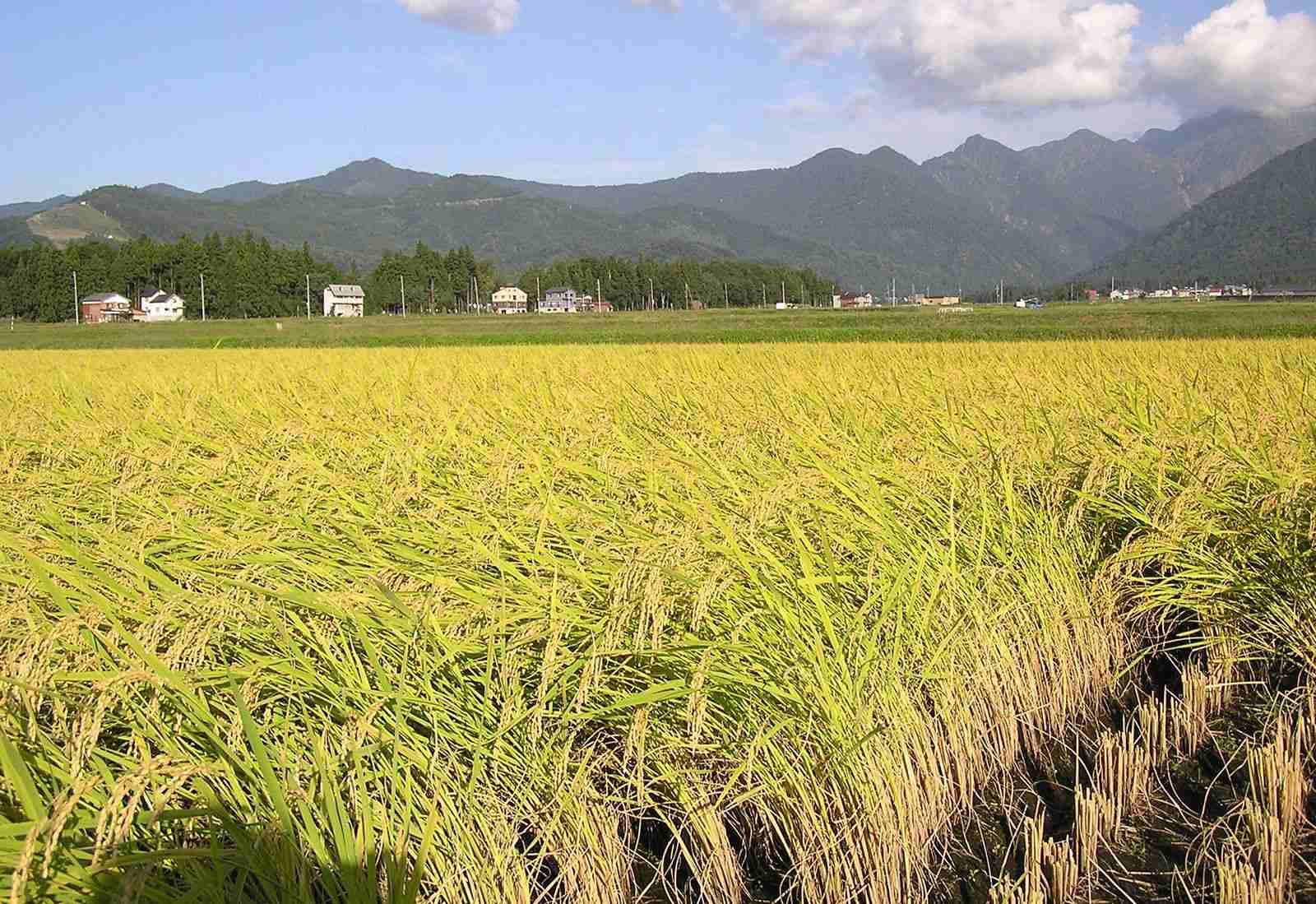
Rice cultivation begins with the careful selection of seeds and preparation of the soil, where farmers employ traditional practices alongside modern techniques to ensure an optimal growing environment. Once sowing begins, irrigation and careful management of nutrients become paramount to safeguarding the crop against weeds and pests throughout its growing season. The transformation from green paddy fields to golden grains is a spectacle, as the rice ripens under the sun and the farmers eagerly anticipate the upcoming harvest. Key stages of cultivation include:
- Soil Preparation
- Sowing Seeds
- Irrigation Management
- Pest and Weed Control
- Harvesting Techniques
After harvest, the journey continues as the grains make their way to the processing factory. Here, they undergo a meticulous series of transformations designed to enhance quality and safety. The processing stages typically include drying, milling, and polishing, each critical to producing the final product that reaches dinner tables worldwide. As the rice navigates through the various machines, scientists and technicians carefully monitor quality through rigorous testing to ensure that what ends up on our plates is both tasty and nutritious. Processing details include:
| Processing Step | Description |
|---|---|
| Drying | Reducing moisture to prevent spoilage |
| Milling | Removing husks and polishing the grains |
| Packaging | Preparing rice for shipment and sale |
Understanding Paddy Processing Techniques for Quality Enhancement
In the bustling environment of a paddy processing factory, precision is paramount. As the rice grains journey from the field to the factory, they encounter various techniques tailored to enhance quality and ensure optimal edible standards. These techniques include hulling, which removes the outer hull; whitening, that polishes and refines the grain; and grading, which sorts the rice based on size and quality. Each stage is meticulously designed to retain the nutritional benefits while elevating the aesthetic appeal of the final product. The careful orchestration of these processes ensures that only the highest quality grains reach the consumer’s table.
Moreover, the technology employed in paddy processing plays a crucial role in maintaining quality. Modern milling techniques utilize precision machinery that minimizes grain breakage, fortifying the structural integrity of each grain. The implementation of wet and dry milling processes also allows for tailored production methods depending on the rice variety, with each technique harnessing different benefits. An effective quality control system further enhances this stage, employing sensors and analytics to monitor everything from moisture levels to sifting accuracy. This commitment to quality not only optimizes flavor and texture but also champions sustainability by reducing waste throughout the process.
Sustainable Practices in Rice Processing for Environmental Impact
In the realm of rice processing, sustainable practices are increasingly vital for minimizing environmental impact. The journey from the paddy field to the consumer’s table can be managed with eco-friendliness at the forefront. Factories are implementing processes that focus on reducing water consumption, optimizing energy use, and decreasing waste. By embracing innovative technologies, these facilities ensure that they not only produce high-quality rice but also nurture the ecosystems they depend on. Some key methods include:
- Water Recycling: Utilizing advanced filtration systems to reclaim and reuse water, significantly cutting down on the volume needed for processing.
- Renewable Energy Sources: Incorporating solar panels or biogas generators to power operations, lessening reliance on fossil fuels.
- Organic Waste Management: Converting byproducts like rice husks and straw into biofuel or compost, thus supporting a circular economy.
Another critical focus is on sustainable sourcing and ethical labor practices. Factories partner with local farmers who utilize organic farming methods and fair wage systems, thus ensuring a responsible supply chain. By providing training and resources on sustainable techniques, these factories empower farmers and foster community growth. This synergy not only enhances the quality of rice but also promotes biodiversity and soil health. Below is a table summarizing the benefits of sustainable practices in rice processing:
| Aspect | Benefits |
|---|---|
| Water Management | Conserves resources, reduces runoff |
| Energy Efficiency | Less greenhouse gas emissions |
| Waste Reduction | Cost savings, lower landfill contributions |
| Community Support | Empowers local economies, promotes sustainable agriculture |
Empowering Local Communities Through the Paddy Supply Chain
As paddy transitions from vast green fields to the bustling processing factory, it becomes a powerful catalyst for community growth and self-sufficiency. At the heart of the supply chain are local farmers, whose meticulous cultivation practices not only enhance crop quality but also ensure sustainable farming techniques. By focusing on community training programs, farmers gain access to innovative practices that improve yield while preserving natural resources, thus fostering a harmonious relationship with the land. Additionally, the establishment of cooperatives allows for collective bargaining, maximizing profits and empowering farmers to invest in their households and communities.
The role of the processing factory extends beyond mere rice production; it serves as a vital link connecting local economies. By employing local workers and sourcing raw materials within the community, factories create a dynamic ecosystem that uplifts the entire region. This interdependence cultivates a sense of ownership and pride among community members, inspiring initiatives that further enhance local infrastructure. Some key benefits include:
- Job creation for local residents
- Support for local businesses through the purchase of supplies
- Investment in community welfare programs
To illustrate the positive impact on local economic development, the following table highlights key partnerships established by processing factories within the community:
| Partner | Contribution | Outcome |
|---|---|---|
| Local Co-operative | Collective Selling | Increased Farmer Profits |
| Community Workshop | Training Sessions | Enhanced Farming Techniques |
| Local Supply Stores | Resource Provision | Boosted Local Economy |
To Wrap It Up
As we conclude our exploration of the intricate journey from harvest to table within a paddy processing factory, we are reminded of the delicate balance between nature and human innovation. Each grain of rice tells a story, a narrative woven through the hands of farmers, the precision of machinery, and the commitment to quality. The transformation that takes place within these walls is not just a process; it’s a testament to the culinary traditions that nourish cultures and communities worldwide.
From the golden fields where rice sways in the breeze to the meticulous stages of milling and sorting, every step is vital in delivering the end product that graces our tables. Understanding this journey invites us to appreciate not only the food we consume but also the collective effort that sustains it.
As we savor our meals, let us remember the journey of each rice grain, the dedication of those who work tirelessly behind the scenes, and the interconnectedness that food represents in our global tapestry. With each bite, we celebrate a legacy that transcends borders and generations, reminding us that our choices at the table echo far beyond our plates.



