
In the heart of countless rice paddy fields, the rhythm of harvest has long been dictated by the seasons and the size of machinery used to process one of the world’s staple foods. Traditionally, rice milling has been an endeavor requiring large, cumbersome equipment, accessible only to those with substantial means. However, a quiet revolution is underway, one that is reshaping the landscape of agricultural production: the emergence of mini rice milling machines. These compact powerhouses are not just transforming efficiency and accessibility for smallholder farmers; they are also heralding a new era of sustainability and economic empowerment. As we delve into the rise of these innovative devices, we uncover how they are making a significant impact on food security, reducing waste, and fostering a more inclusive agricultural framework. Join us as we explore this promising development that is quietly yet profoundly changing the way rice is harvested and milled around the globe.
The Transformation of Rice Production through Compact Milling Technologies
In recent years, the evolution of rice production has taken a remarkable turn with the introduction of compact milling technologies. These innovative machines are designed to enhance efficiency and accessibility for farmers, particularly in developing regions where traditional milling systems may be too expensive or impractical. Mini rice milling machines have emerged as champions for smallholder farmers, enabling them to process their harvest quickly and effectively. As a result, these farmers can transform freshly harvested paddy into market-ready rice on-site, reducing reliance on distant milling facilities and minimizing transportation costs.
Among the standout features of compact milling technologies are their ability to process rice with minimal loss and maintain high quality. This advancement is supported by various benefits, including:
- Energy Efficiency: Designed for optimal power use, often operating on solar energy.
- Cost-Effectiveness: Lower initial investment compared to traditional mills, making it accessible for small farmers.
- Mobility: Lightweight designs facilitate easy transportation, allowing farmers to mill their rice wherever needed.
- Reduced Labor Input: Automation features simplify the milling process, freeing up time for farmers to focus on other tasks.
To illustrate the transformative impact of these technologies, here’s a brief comparison of traditional vs. compact milling systems:
| Feature | Traditional Milling | Compact Milling |
|---|---|---|
| Space Requirement | Large, fixed installations | Compact, mobile units |
| Milling Time | Slower processing | Rapid on-site milling |
| Cost Per Operation | Higher due to transportation | Lower, with reduced travel |
| Quality of Rice | Variable, often lower | Consistently high quality |
This shift in technology signifies not only a change in how rice is processed but also a significant step towards empowering local farmers and ensuring food security in rural communities. With compact milling machines at their disposal, farmers can play an active role in the rice supply chain, fostering sustainability and economic growth.
Exploring the Efficiency Benefits of Mini Rice Milling Machines
In the ever-evolving landscape of agriculture, mini rice milling machines have emerged as game-changers for farmers, particularly in developing regions. These compact machines offer unparalleled efficiency, enabling smallholder farmers to process their rice harvests on-site, thus reducing dependency on large-scale milling services. The automation of the milling process not only minimizes labor costs but also significantly shortens the time from harvest to the market. Farmers can now transform their freshly harvested paddy into market-ready rice with remarkable speed and quality.
Moreover, the ecological footprint of these machines is notably reduced, as they consume less energy compared to traditional milling equipment. Their design often incorporates energy-efficient technologies, which ensures minimal wastage and maximizes output. The flexibility of mini rice milling machines also allows for various milling options, accommodating different rice varieties and processing preferences. To further illustrate their efficiency, consider the following benefits:
- Cost-effective: Lower operating expenses and reduced labor costs.
- Space-saving: Compact design ideal for small farms.
- Faster processing: Shorter turnaround time from farm to market.
- Improved quality: Enhanced preservation of grain quality with minimal breakage.
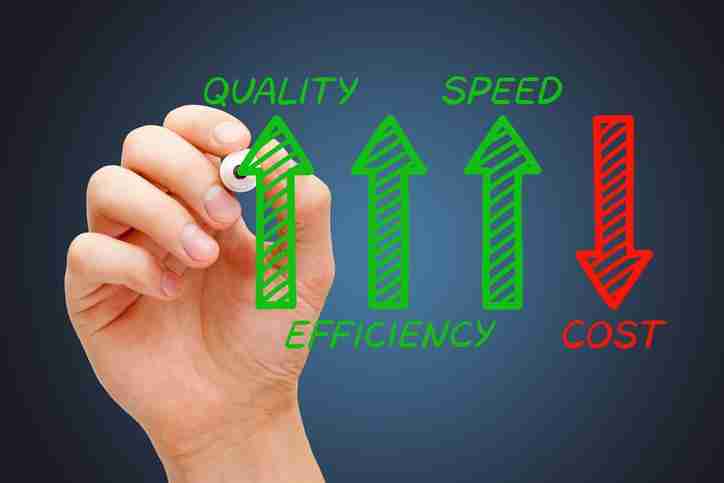
Navigating Cost-Effectiveness in Small-Scale Rice Processing
In the context of small-scale rice processing, the integration of mini rice milling machines has unlocked exciting avenues for enhancing cost-effectiveness. These machines are engineered to meet the specific needs of small farmers and local millers, which not only lowers initial investment costs but also reduces operational expenses. By minimizing energy consumption and maximizing output efficiency, these compact solutions provide a viable alternative to traditional milling methods. The ability to process rice on-site further diminishes transportation costs and results in fresher produce for local markets.
Adopting mini milling technology involves strategic considerations that can significantly impact profitability. Key factors influencing cost-effectiveness include:
- Operational Efficiency: An optimized milling process results in higher yield rates.
- Maintenance Requirements: Simpler designs often lead to lower maintenance costs.
- Local Sourcing: Utilizing locally sourced components can help decrease expenses.
- Scalability: Machines can be easily upgraded or expanded to accommodate growing operations.
Investing in mini rice milling machines can also create a ripple effect of economic benefits within the community. Below is a summary of the advantages reported by small-scale processors:
| Benefits | Description |
|---|---|
| Cost Savings | Reduced overall processing costs, allowing for better margins. |
| Job Creation | Increased demand for local labor to operate and maintain machines. |
| Market Access | Improved quality and freshness lead to enhanced marketability. |
Sustainability in Agriculture: Mini Milling Machines as an Eco-Friendly Solution
The adoption of mini milling machines is paving the way for a more sustainable agricultural sector, particularly in rice production. These compact and efficient devices are designed to minimize energy consumption while maximizing productivity. By allowing farmers to process their own rice on-site, they drastically reduce transportation emissions associated with sending harvested grains to large milling facilities. Not only do these machines contribute to reduced carbon footprints, but they also help in conserving precious resources. The ability to produce high-quality rice locally ensures a lesser reliance on external suppliers, fostering a self-sustaining agricultural model that benefits both the environment and local economies.
Moreover, mini milling machines can enhance the nutritional profile of rice while promoting waste reduction strategies through better grain utilization. By employing advanced technologies, these machines permit better separation of bran, germ, and endosperm, using every part of the grain effectively. Here are some key benefits associated with mini milling technology:
- Reduce Waste: Enhanced processing leads to fewer by-products thrown away.
- Energy Efficiency: Utilizes renewable energy sources, like solar power, reducing reliance on fossil fuels.
- Support Small-Scale Farmers: Empowers local growers to take charge of their production.
- Soil Health: Better crop rotation and diversifying planting reduce soil degradation over time.
The Way Forward
the advent of mini rice milling machines marks a significant turning point in the agricultural landscape, particularly for smallholder farmers and rural communities. By combining efficiency and accessibility, these compact powerhouses are not only streamlining the rice milling process but also empowering farmers to take control of their production. As the global demand for rice continues to grow, so too does the need for innovative solutions that can adapt to the challenges of modern agriculture.
With their ability to enhance productivity while minimizing waste, mini rice milling machines stand at the forefront of a new era in food processing. As technology continues to evolve, the future of rice milling looks promising, heralding a new chapter of sustainability and resilience in an ever-changing world. Whether it’s providing fresh, high-quality rice to local markets or fostering economic opportunities in rural areas, the impact of these machines extends far beyond the fields, inspiring a movement toward a smarter, more efficient agricultural system. In embracing this revolution, we not only honor the age-old traditions of rice cultivation but also pave the way for a brighter, more sustainable future.



