
From Field to Bowl: The Art of Cereal Processing Explained
In the heart of the agricultural landscape, golden fields sway under the gentle caress of the wind, each ear of grain a promise of nourishment and vitality. The journey from these vibrant fields to the breakfast table is a remarkable transformation, one that combines nature’s bounty with human ingenuity. Cereal processing, an intricate blend of science and art, takes center stage in this narrative, unveiling the meticulous steps that convert raw grains into the beloved breakfast staples we cherish. From harvesting and milling to toasting and packaging, this article delves into the fascinating processes that breathe life into cereals, revealing the hidden craftsmanship behind what often appears as a simple bowl of flakes or puffs. Join us as we explore the journey of cereal production, illuminating the delicate balance between tradition and technology that defines this essential part of our daily diet.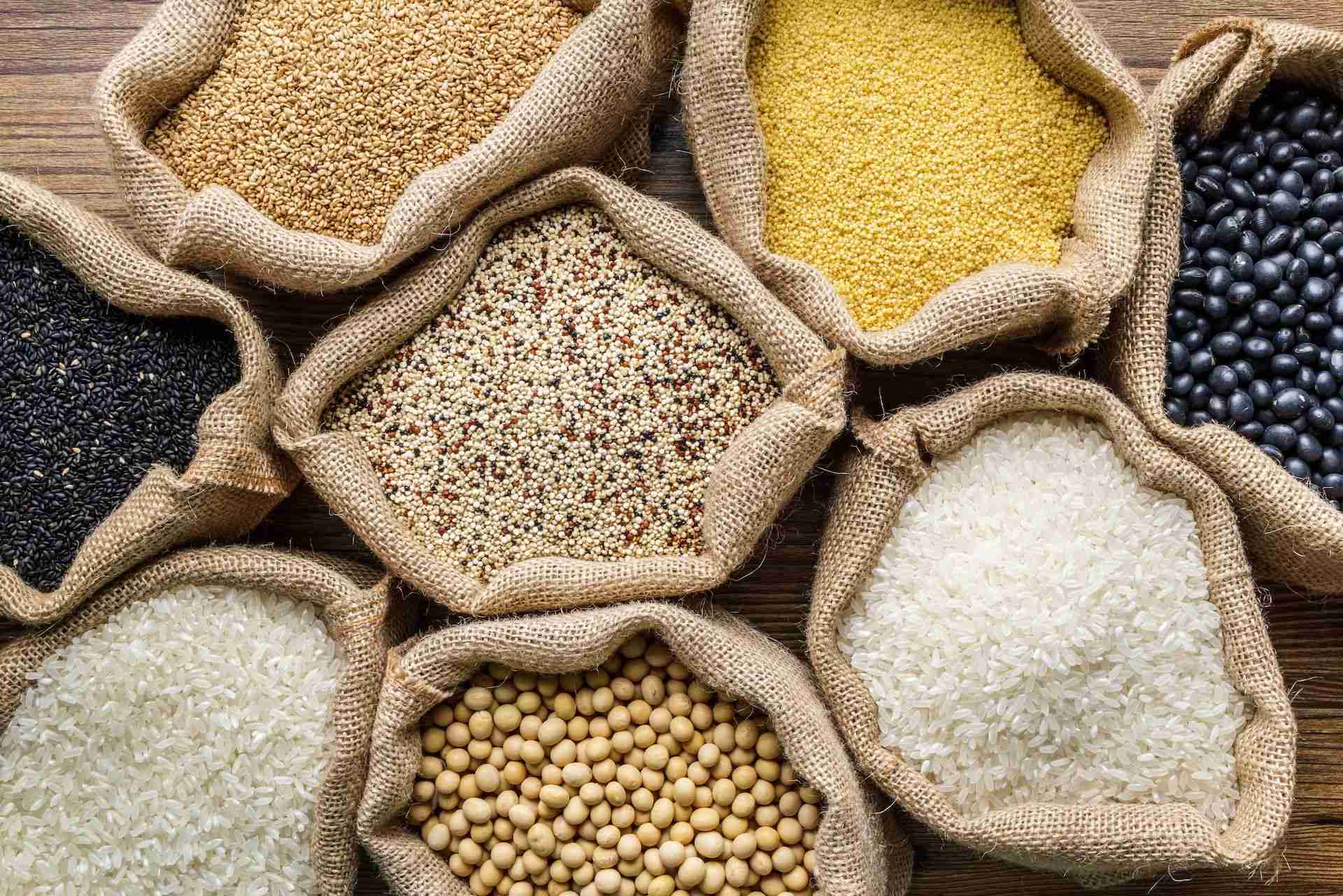
The Journey of Grains: Understanding the Harvest and Selection Process
The journey of grains begins with meticulous harvesting, capturing the delicate balance of nature’s timing and human expertise. Farmers wait for the optimal moment—when grains reach their peak ripeness—to ensure the highest quality and yield. With the swaying fields of golden wheat and shimmering rice paddies, the harvest process involves the use of modern machinery that carefully cuts, threshes, and collects the grains, preserving their integrity. After harvest, the grains are transported to processing facilities where they undergo rigorous cleaning and sorting processes to remove any foreign materials and ensure uniformity. This is where the art of selection truly shines, allowing only the best grains to move forward in the journey toward becoming cereal.
Throughout the selection process, grains are evaluated based on several quality factors, including moisture content, size, and color. Various techniques, such as air screening and gravity separation, are employed to separate high-quality grains from the less desirable ones. These selections culminate in a rich palette of cereals that reflect the diverse characteristics of the grains. Once sorted, grains are prepared for further processing, often being toasted or milled to create flours, flakes, or other products. The harmonious blend of tradition and technology underscores the remarkable journey from field to bowl, granting us the wholesome nourishment we seek.
| Quality Factor | Description |
|---|---|
| Moisture Content | Ensures grains are at an optimal dryness for storage. |
| Size | Affects cooking time and texture in finished cereal products. |
| Color | Indicates ripeness and can influence market value. |

Crafting Flavors: The Role of Toasting and Sweetening in Cereal Production
Toasting and sweetening are crucial steps in cereal production that not only enhance flavor but also contribute to the texture and overall appeal of the final product. The toasting process involves gently roasting the cereal grains, which caramelizes their natural sugars and imparts a complex nutty flavor profile. This method is pivotal for developing depth in taste, allowing brands to create distinctive flavors that stand out on the supermarket shelves. Factors influencing the toasting process include temperature, duration, and even the type of grain used, resulting in a variety of textures, from crunchy to flaky. The essence of cereal’s identity lies in this intricate balance of roasting, where varieties of grains are transformed into palatable breakfast options.
On the sweeter side of the spectrum, sweetening agents are employed to cater to a wide array of consumer preferences. While traditional cane sugar remains a staple, the cereal industry also embraces alternatives such as honey, agave syrup, and even artificial sweeteners to target health-conscious customers. This has led to the diversification of cereals that can satisfy both sweet cravings and nutritional needs. As manufacturers experiment with natural flavor enhancers and sweeteners, they continue to innovate, offering products that range from simple sugary treats to wholesome, fiber-rich options that promise a guilt-free indulgence. Below is a comparison table showcasing common sweetening agents used in cereals:
| Sweetening Agent | Flavor Profile | Health Considerations |
|---|---|---|
| Cane Sugar | Classic sweet | Moderation recommended |
| Honey | Floral sweet | Contains antioxidants |
| Agave Syrup | Caramel-like | Low glycemic index |
| Stevia | Natural sweet | No calories |

Nutritional Balancing: Enhancing Health Benefits through Fortification
The evolution of cereal processing has unlocked immense potential in nutritional balancing by harnessing the power of fortification. Through advanced methods, essential vitamins and minerals are now seamlessly integrated into breakfast cereals, aiming to combat nutritional deficiencies prevalent in various populations. This process not only enhances the nutrient profile of cereals but also contributes to overall public health. Common fortifying agents include:
- Iron: Essential for red blood cell production
- Vitamin D: Supports bone health and immune function
- B Vitamins: Crucial for energy production and metabolic processes
Moreover, the approach to fortification goes beyond mere addition; it is about transforming the cereal from a simple carbohydrate source into a powerhouse of nutritional benefits. By meticulously selecting and balancing these added nutrients, manufacturers create fortified cereals that not only cater to the taste but also address specific dietary needs. For instance, consider the following breakdown of selected fortified cereals:
| Cereal Type | Primary Fortification | Health Benefit |
|---|---|---|
| Whole Grain Oats | Iron and Fiber | Supports heart health and digestion |
| Cheerful Cornflakes | Vitamin A and Folate | Promotes eye health and cell growth |
| Enhanced Wheat Bran | Vitamin B12 and Calcium | Boosts energy levels and bone strength |

Sustainability Matters: Innovations in Eco-Friendly Cereal Manufacturing Practices
The journey of cereal production has witnessed a transformative shift towards eco-conscious practices that reflect an enhanced understanding of our impact on the planet. Modern cereal manufacturers have embraced sustainable sourcing of raw materials, ensuring that their ingredients come from farms that prioritize environment-friendly techniques like crop rotation, organic farming, and minimal pesticide usage. This approach not only supports biodiversity but also helps maintain the health of the soil, leading to more resilient crops suited for cereals. Furthermore, advancements in energy-efficient processing technologies have significantly reduced the carbon footprint associated with cereal production, making it possible to create delicious breakfast options with less environmental strain.
In the quest for sustainability, innovative packaging solutions have emerged as a key aspect of eco-friendly cereal manufacturing. Many brands are shifting towards biodegradable and recyclable materials, cutting down on single-use plastics and minimizing waste. In addition, there is a growing trend of promoting bulk purchasing options, allowing consumers to refill their containers instead of buying new ones every time. This not only encourages sustainable behavior among consumers but also reduces excess packaging waste. By integrating sustainability into every stage of production — from farming to packaging — the cereal industry is carving a path toward a greener future, proving that tasty breakfasts can coexist with a healthy planet.
| Innovation | Impact |
|---|---|
| Organic Sourcing | Enhances soil health and biodiversity |
| Energy-Efficient Technologies | Reduces carbon emissions in processing |
| Biodegradable Packaging | Minimizes waste and environmental impact |
| Bulk Options | Encourages reusable containers and less packaging |
To Conclude
the journey from field to bowl is a fascinating tapestry woven with the threads of agriculture, science, and art. Each step in the cereal processing process—from the cultivation of grains to the intricate methods of manufacturing and packaging—reveals a complex interplay of tradition and innovation. As we enjoy our morning bowl, we may savor not just the flavors and textures, but also the dedication and expertise that go into every flake and puff. This exploration reminds us that our beloved cereals are not merely convenient breakfast options; they are the culmination of a rich history and a commitment to quality. So the next time you pour your cereal, take a moment to appreciate the journey it undertook to reach your table—a journey that reflects both the bounty of our land and the ingenuity of those who transform it into something truly delightful.



